
8 July 2026
July is Fibroids Awareness Month
July is Uterine Fibroids Awareness Month, an opportunity to raise awareness of one of the most common conditions affecting women's reproductive health. Although uterine fibroids are benign, they can have a profound impact on quality of life, causing heavy menstrual bleeding, pelvic pain, pressure symptoms, fertility problems and pregnancy complications.
Fibroids, also known as leiomyomas or myomas, develop from the smooth muscle of the uterus and vary greatly in size, number and location. While many women remain symptom-free, others require medical or surgical treatment tailored to their individual symptoms, reproductive wishes and the characteristics of their fibroids.
At GLOWM, we are committed to providing clinicians worldwide with freely accessible, evidence-based educational resources. Our Continuous Textbook of Women’s Medicine includes a comprehensive collection of chapters covering the diagnosis and management of uterine fibroids, from understanding their molecular origins to the latest advances in imaging and minimally invasive treatment.
Learn more with GLOWM
Understanding uterine fibroids
Our chapter Uterine Fibroids: From Molecular Pathogenesis to Contemporary Management explains how fibroids develop, the factors that influence their growth, the symptoms they cause and the full spectrum of available treatment options. The chapter also explores modern approaches to individualized care, recognizing that management should be tailored to each woman's symptoms, age and reproductive goals.
Accurate diagnosis with ultrasound
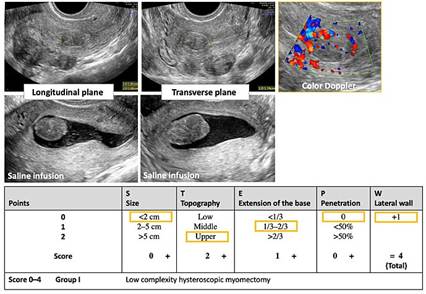
Ultrasound remains the first-line imaging modality for evaluating fibroids. Benign Myometrial Pathology (Fibroids): Ultrasound Features and Practical Tips provides a practical guide to recognizing the different types of fibroids, describing their sonographic appearances and using standardized terminology to improve diagnosis and treatment planning.
Advances in minimally invasive treatment
Treatment options for symptomatic fibroids have expanded considerably over recent years, offering many women effective alternatives to hysterectomy.
Our chapters explore several contemporary approaches, including:
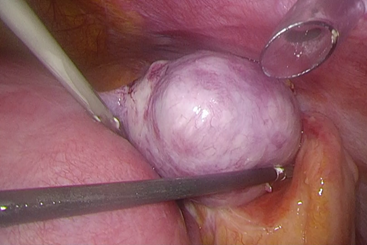
Minimally Invasive Myomectomy, covering laparoscopic and hysteroscopic techniques that enable removal of fibroids with faster recovery and reduced surgical morbidity.
Radiofrequency Ablation, a minimally invasive procedure that destroys fibroid tissue using thermal energy while preserving the uterus.
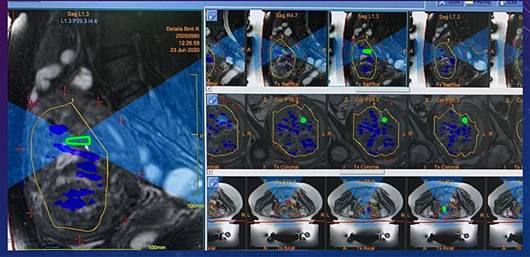
Magnetic Resonance-guided Focused Ultrasound, a completely non-invasive technique that uses focused ultrasound energy to ablate selected fibroids under MRI guidance.
Fibroids and pregnancy
 |
Although many women with fibroids have uncomplicated pregnancies, fibroids may increase the risk of miscarriage, pain from fibroid degeneration, malpresentation, preterm birth and postpartum haemorrhage. Our chapter Fibroids and Pregnancy discusses the effects of fibroids throughout pregnancy and outlines evidence-based management strategies. |
For the uncommon situations in which surgery during pregnancy becomes necessary, Myomectomy in Pregnancy reviews patient selection, operative considerations and techniques that may minimise maternal and fetal risks.
Whether you're seeking a practical guide to ultrasound diagnosis, an overview of contemporary medical and surgical management, or evidence-based recommendations for managing fibroids during pregnancy, GLOWM provides freely accessible information to support your knowledge and practice.
Explore GLOWM’s Continuous Textbook of Women’s Medicine and discover our growing collection of expert-reviewed chapters covering every aspect of women's health.
