

Female genital mutilation
An educational
initiative
supported by

Written by experienced doctors, midwives and other medical professionals –
and approved by a specialist Editorial Board
Select Avatar


Select Language
We plan to provide other language versions as soon as funding is available
Enhancing the Welfare of Women
Expert Health Information for Women



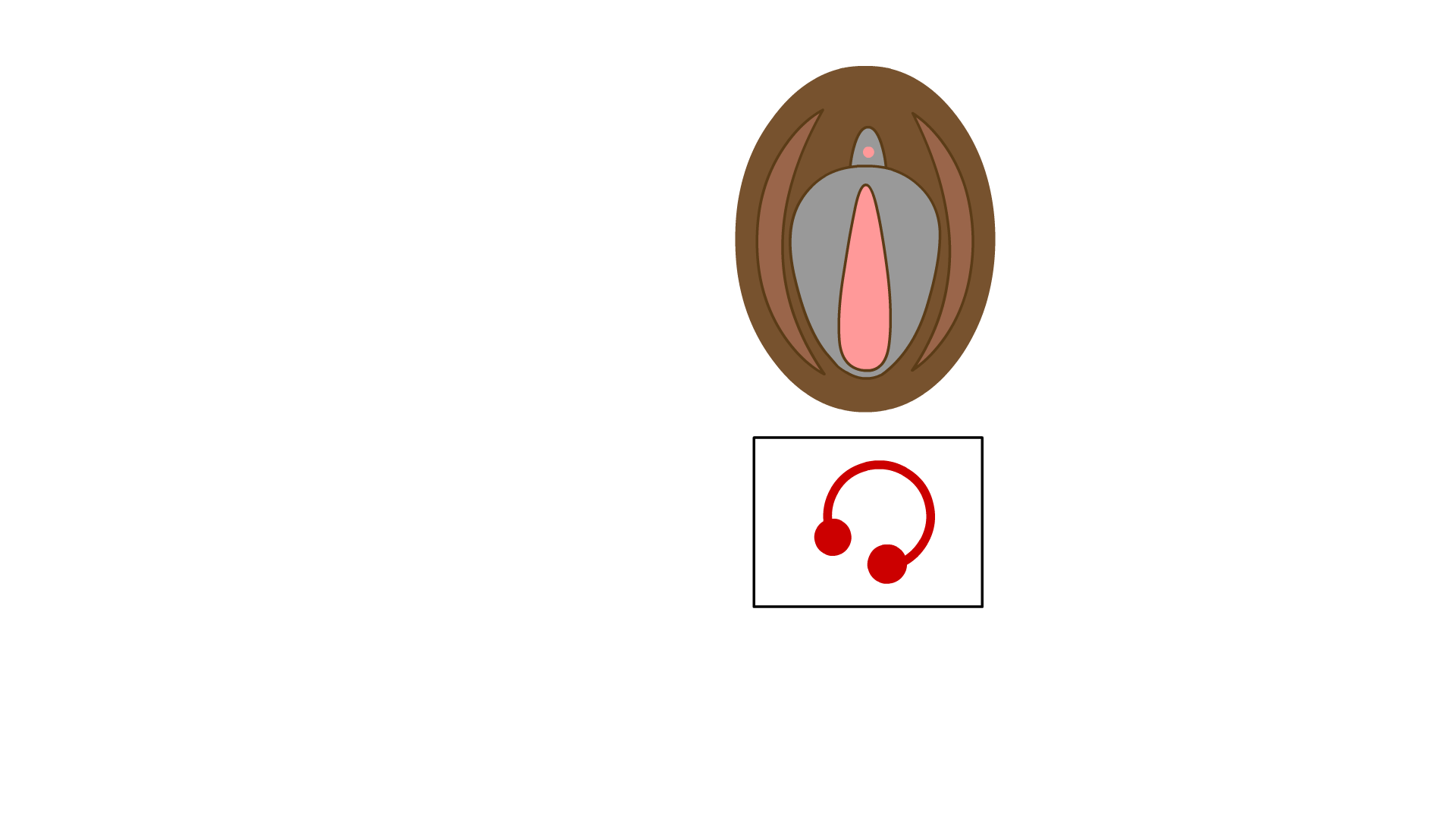
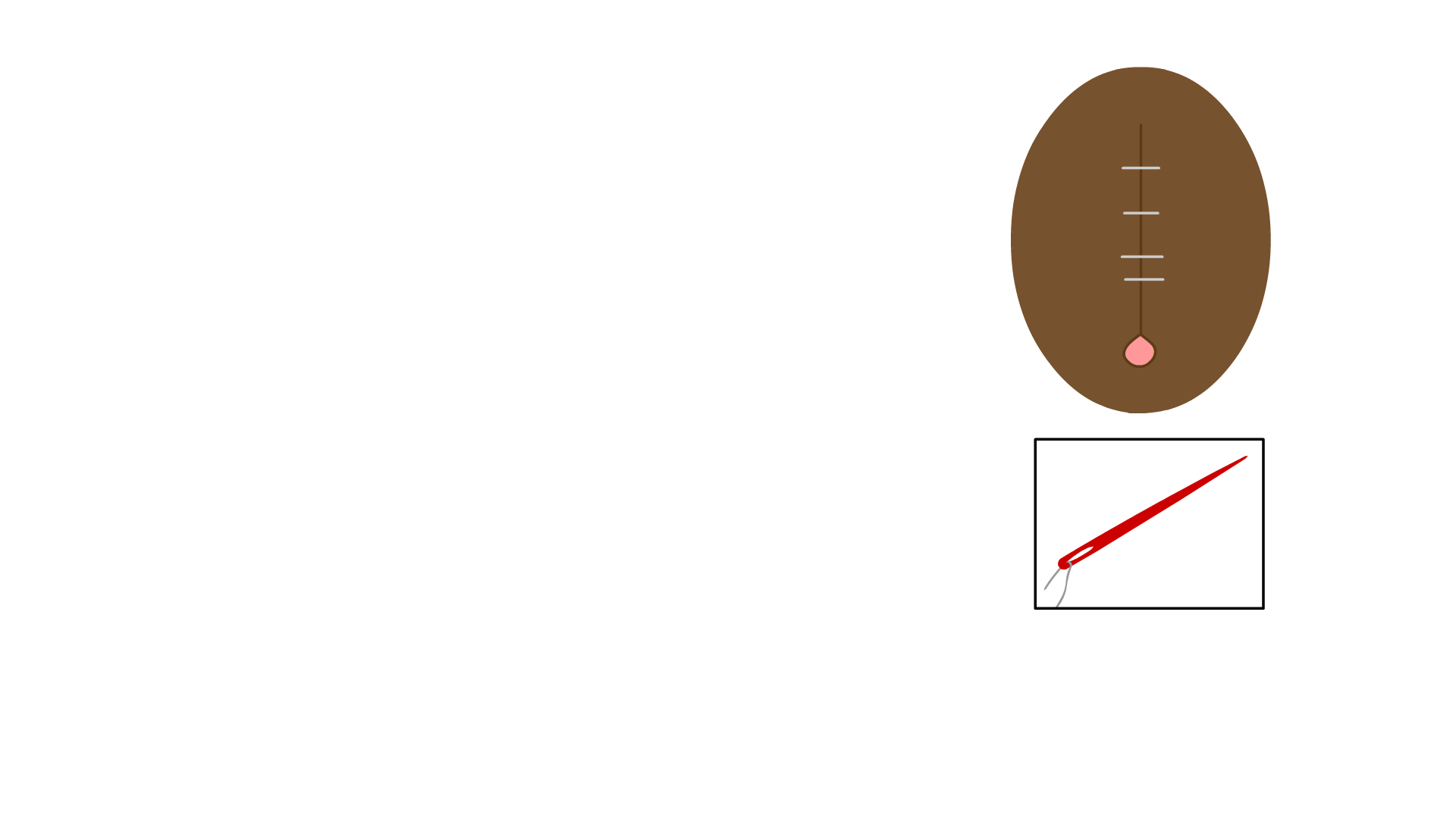
genital organs, such as cutting, burning, pricking, non-consensual
piercing or stitching.



The authors of this FEMALE GENITAL MUTILATION program are:
- Dr Victoria Kinkaid
Academic Department of Military General Practice, UK - Dr Vidhi Naik
University of Aberdeen, UK - Dr Catriona Young
St George's Hospital NHS Trust, UK - Dr Kim Couper
University of Aberdeen, UK
The Welfare of Women program has been created under the General Editorship of Dr Kate Lightly, University of Liverpool, UK and is overseen by an expert International Editorial Board
The cost of producing this resource has been partly funded by an educational grant from GSK
Thank you for watching this Welfare of Women video. We would welcome your views and feedback. Please complete this short questionnaire.
What is female genital mutilation? (FGM)
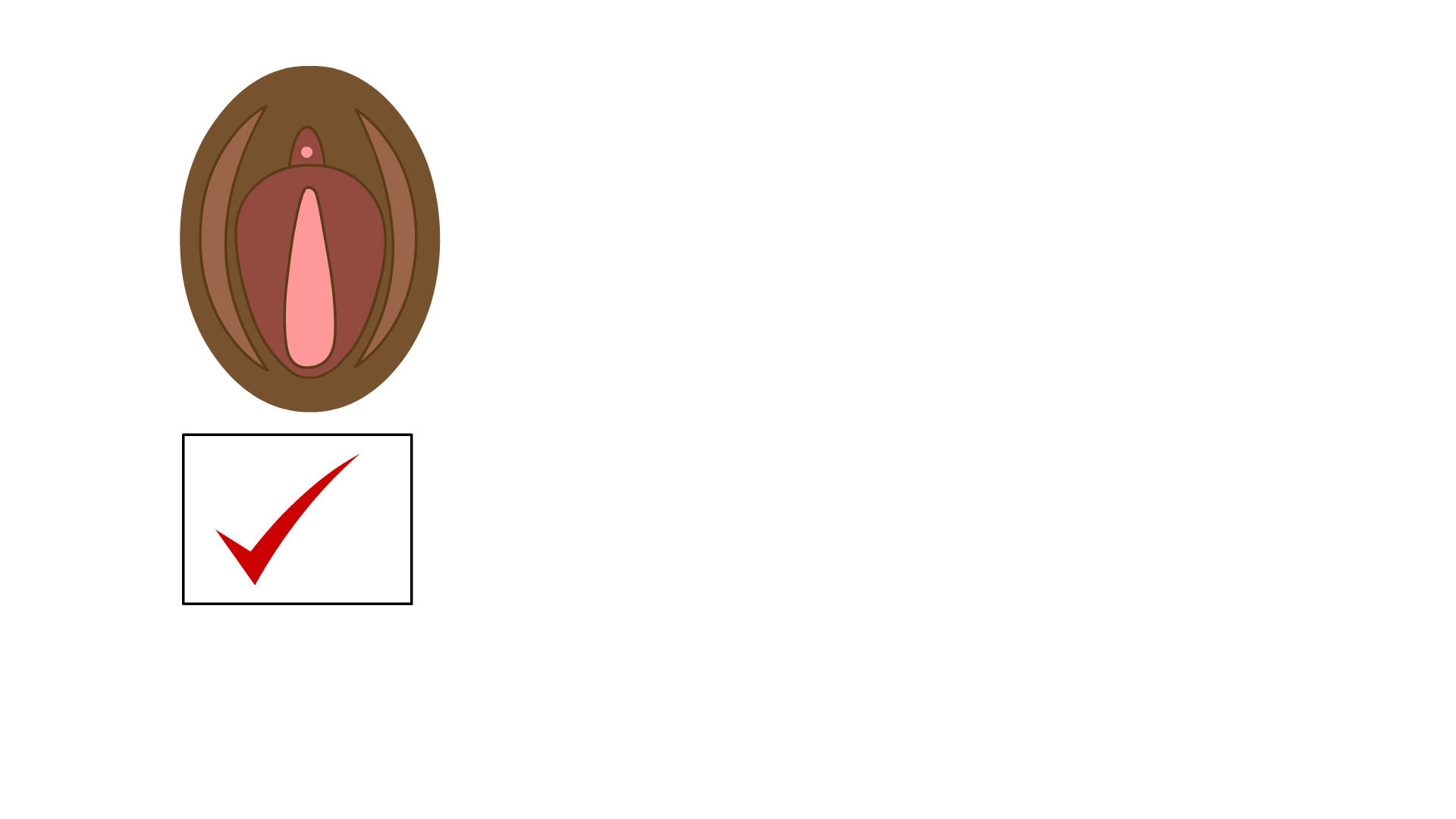
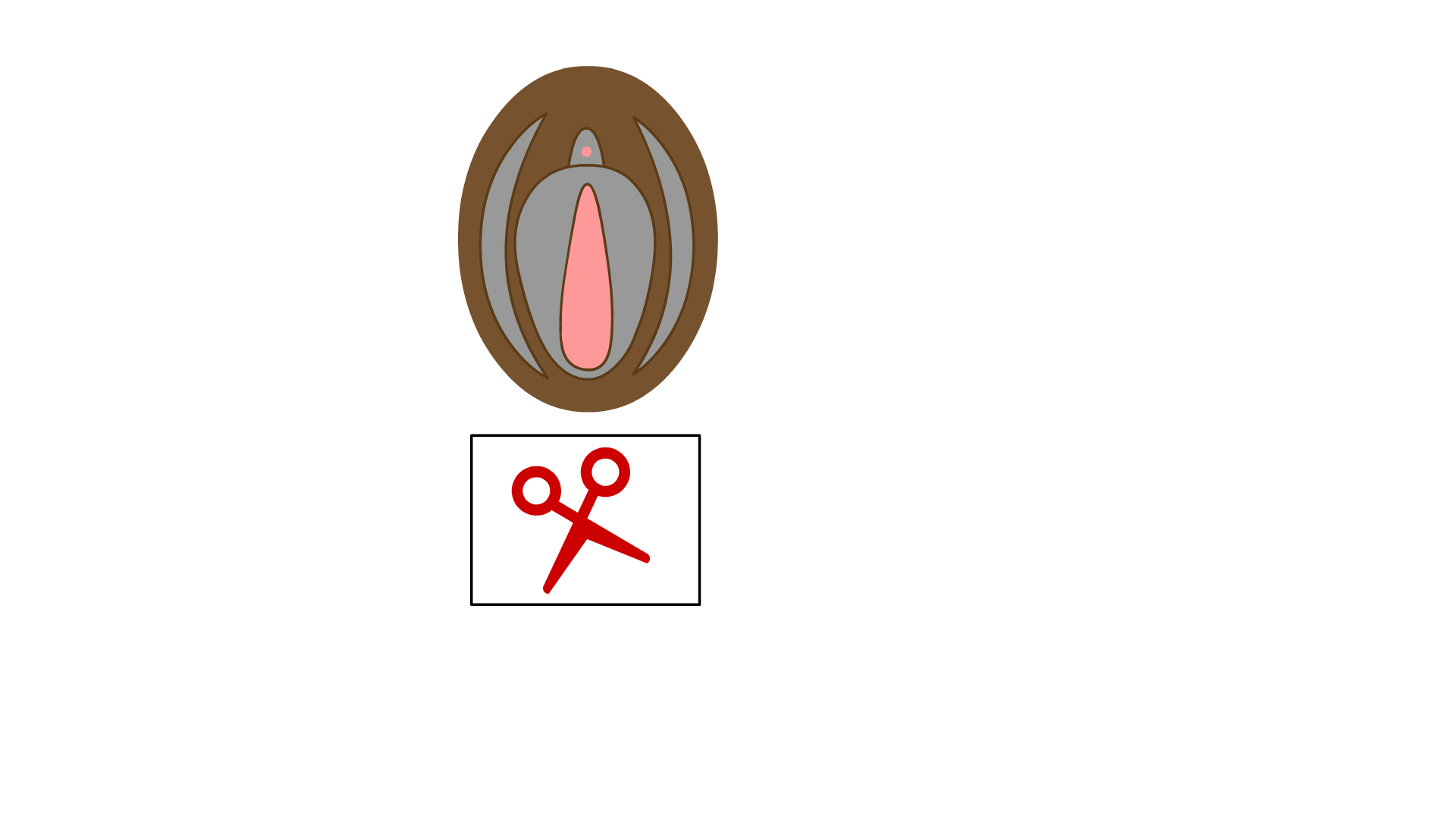
Female genital mutilation or FGM is a term which describes any procedure that damages the female genitals without a medical reason.
This can be the external genitalia, which are the parts between your legs, usually covered by underwear. It can also be the internal genitalia which is inside your body.
FGM can happen at any stage of a woman’s life, but most of the time it happens before the age of 15.
FGM has no medical benefits and is a violation of human rights.
FGM has many different names, and these may vary depending on cultural context.
What are the different types of FGM?
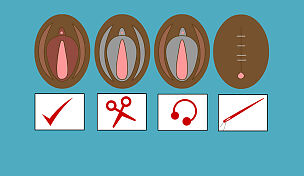
There are four main types of FGM, but not every case of FGM will fit into one of these types and sometimes a combination of types applies.
Type 1: removal of the clitoris (a small, sensitive part of the female genitals) and sometimes the skin around it.
Type 2: removal of the clitoris, inner labia (the inner lips around the vagina) and sometimes the outer labia (the larger, outer lips).
Type 3: making the vaginal opening smaller by cutting the labia and sewing them together.
Type 4: any other harmful actions to the female genital area, such as cutting, scraping, pricking, burning or piercing.
How does FGM affect women?
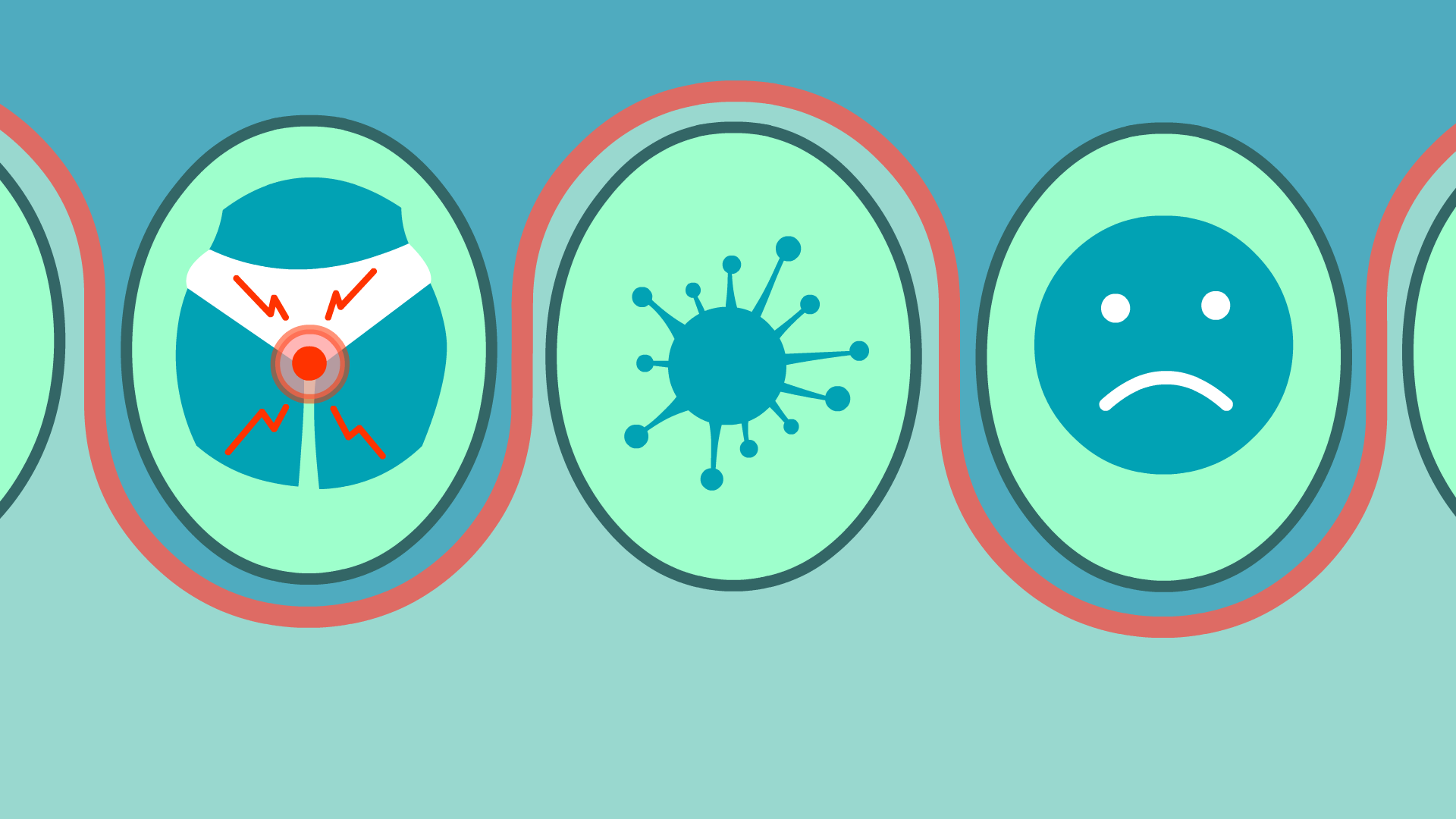
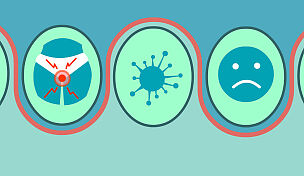
FGM has no health benefits and can cause both short-term and long-term harm.
Short-term harm
- Infections: unclean tools can cause serious infections, sometimes life-threatening.
- Heavy bleeding: can be very dangerous.
- Severe pain: the procedure is extremely painful.
- Emotional shock or trauma: women and girls may feel scared, upset or shocked.
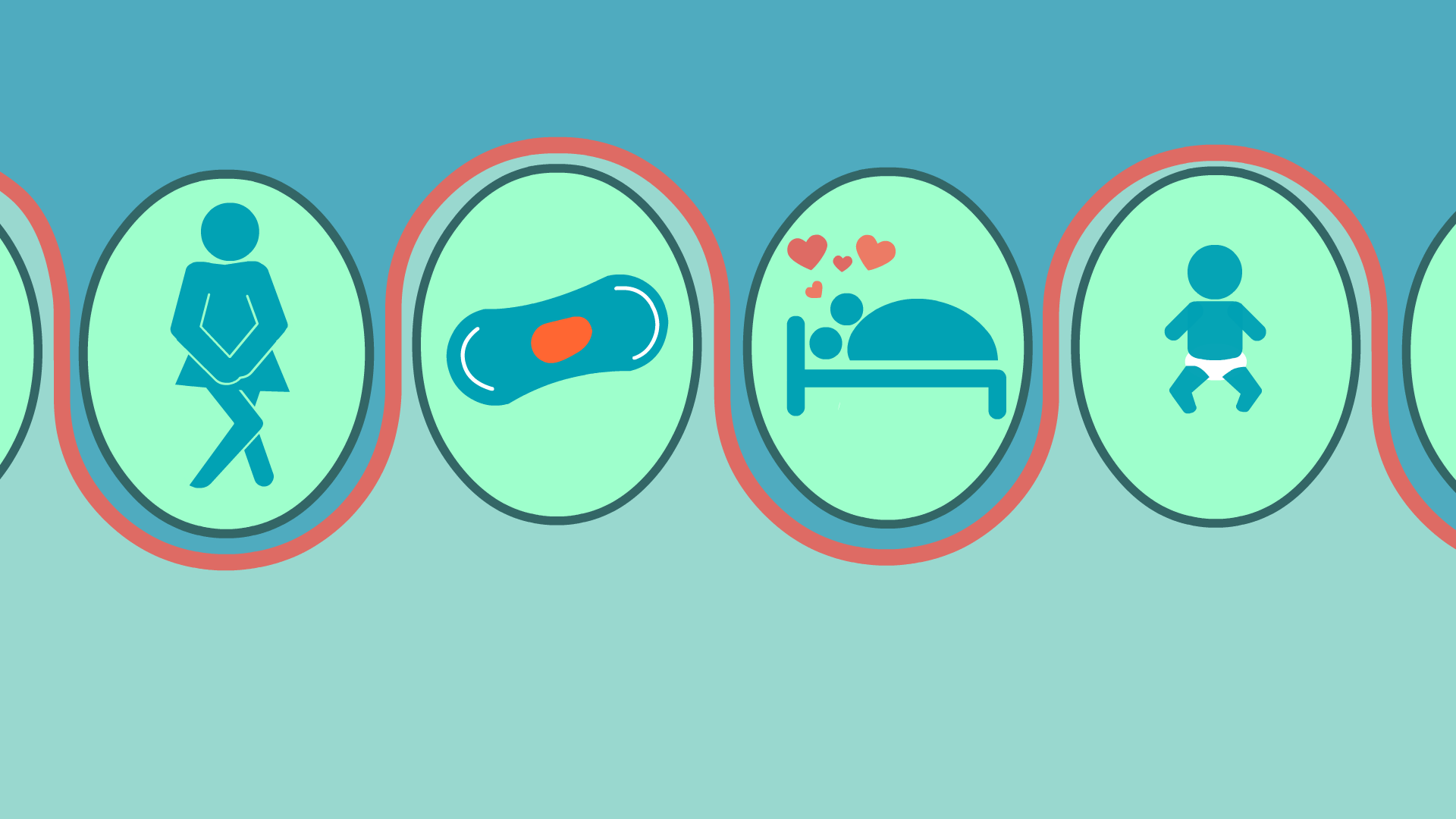
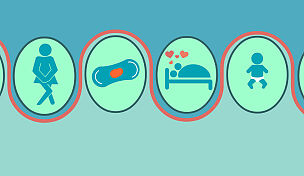
Long-term harm
- Problems with passing urine or periods: a small opening for pee or menstrual blood can cause pain, infections and difficulty holding urine.
- More dangerous childbirth: giving birth can be harder, and some women may need surgery to open the vaginal area.
- Ongoing emotional problems: women may have long-lasting sadness, fear or anxiety because of FGM.
What is medicalized FGM?
FGM is never safe and has no health benefits, but sometimes it is done by a doctor, nurse or other health worker. This is called medicalized FGM.
There are several reasons this happens:
- Some people believe FGM is safer if done by a doctor.
- Some believe doing it in a clinic gives more control and might help end FGM.
- Sometimes the health worker comes from a community where FGM is traditional and sees it as normal.
- In some cases, medical FGM is paid for.
Even if it is done in a clinic or hospital, FGM is still harmful.
What are the laws about FGM?
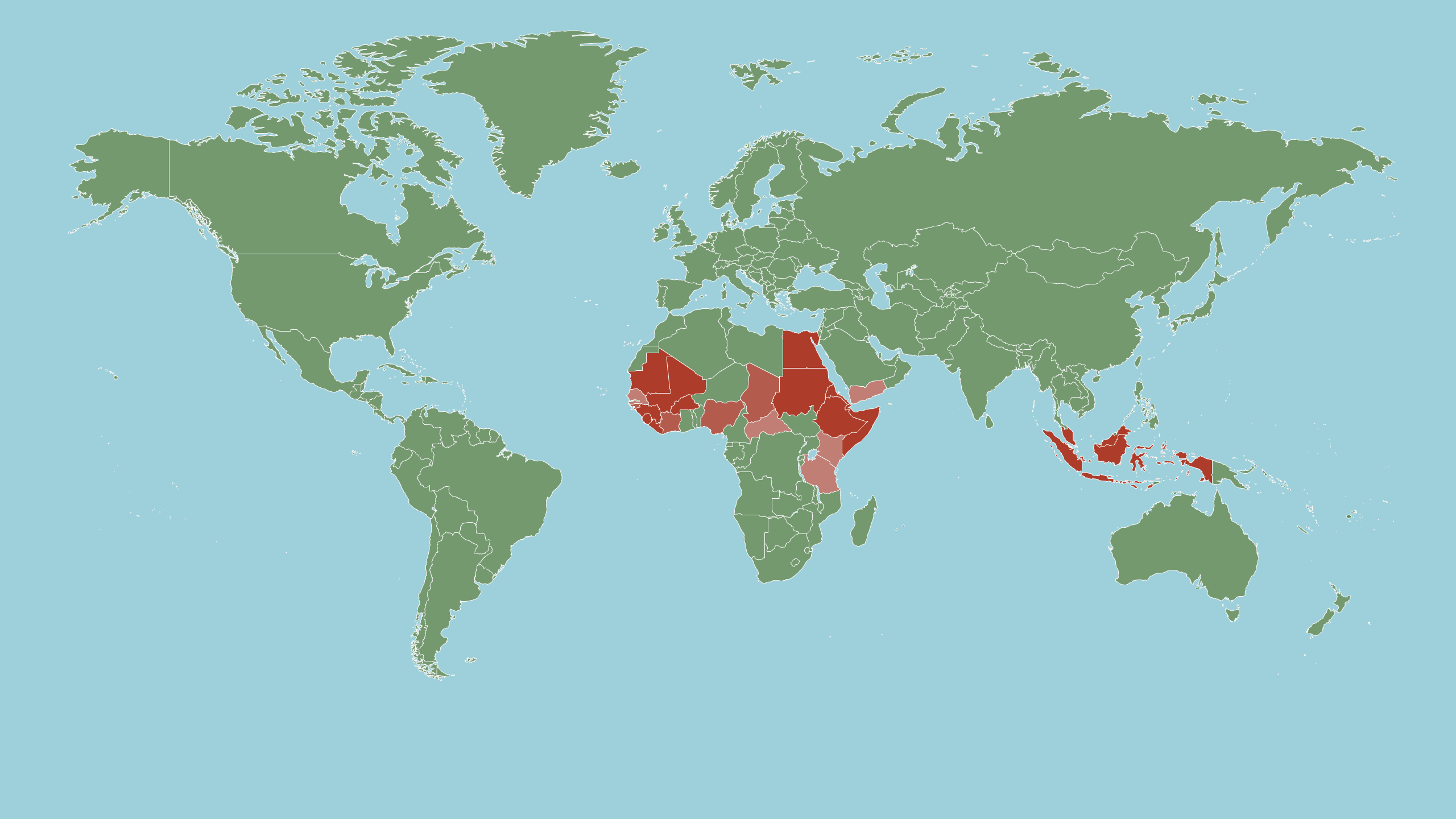
FGM is recognized worldwide as a violation of the human rights of women and girls and is a form of violence against women. Over 70 countries have introduced laws that make FGM illegal.
Even with these laws, FGM still happens illegally, and some people will cross borders to perform FGM in places where it is still legal or where laws are not enforced.
The United Nations has set targets to stop FGM by the end of this decade. Laws and bans are important, but to really end FGM, people in communities need to keep speaking out and taking action.
What should I do if I am worried about myself or someone else?
If you or someone you know might be at risk of FGM, act quickly. Contact the police or emergency services, or reach out to local or national helplines and child protection groups for confidential support. Organizations like UNICEF, UNFPA and Child Helpline International (https://www.childhelplineinternational.org) can help connect you to safe local services.
Many doctors, nurses and schools know how to spot and help with FGM. They can give support or connect you with the right services. If you or someone you know is traveling to a place where FGM happens, get advice from a trusted organization or the authorities. You are not alone. Local and global groups are there to help keep you safe.
The authors of this FEMALE GENITAL MUTILATION program are:
- Dr Victoria Kinkaid, Academic Department of Military General Practice, UK
- Dr Vidhi Naik, University of Aberdeen, UK
- Dr Catriona Young, St George's Hospital NHS Trust, UK
- Dr Kim Couper, University of Aberdeen, UK
The Welfare of Women program has been created under the General Editorship of Dr Kate Lightly, University of Liverpool, UK and is overseen by an expert International Editorial Board
The publishing reference for this program is: DOI 10.3843/GLOWM.w10096
The Welfare of Women information program is an attempt to provide women everywhere with access to reliable information about key health issues that may be relevant to them. Information is offered at three separate levels which women may select according to their preferences; firstly, short video animations with voice commentary, secondly, more detailed text-based descriptions, and thirdly, links to recommended further reading. With the animated videos, women can also select the images that they feel most comfortable in viewing from a short range of very generalized and non-specific ethnicity options. Because of the special programming used, both the videos and the text information can – when authorized – be translated into any language in a simple and rapid manner.
Recommended links for more comprehensive and detailed reading
The following websites provide more comprehensive and extensive information on this topic, which is both reliable and strongly recommended for readers who want to learn more than the details provided above:
Ending FGM requires continued grassroots advocacy and action
https://www.unwomen.org/en/articles/faqs/faqs-on-female-genital-mutilation-causes-impact-and-how-to-end-it
Child Helpline International
https://www.childhelplineinternational.org
Forward UK FGM Support services
https://www.forwarduk.org.uk/how-we-work-for-women-and-girls/support-services/?gad_source=1&gad_campaignid=12149584555&gbraid=0AAAAADLdt-xQ8CTyqDuud00KH6Nt4kkzd&gclid=Cj0KCQjw0erBBhDTARIsAKO8iqSKsIoGp0R98N9Ft--drV4cj9vvyxqShcYKPcMWl0W8GDTNBRSVupAaAnZwEALw_wc
Orchid Project
https://www.orchidproject.org
Resources the author(s) used in preparing this guidance
National FGM Centre (2024). Female Genital Mutilation
http://nationalfgmcentre.org.uk/fgm
World Health Organization (2025). Sexual and Reproductive Health and Research (SRH), Female Genital Mutilation
https://www.who.int/teams/sexual-and-reproductive-health-and-research-(srh)/areas-of-work/female-genital-mutilation
FGM/C Research Initiative (2024). Terminology and FGM/C
https://www.fgmcri.org/thematic/terminology-and-fgm/
UNICEF (2025). What is female genital mutilation?
https://www.unicef.org/stories/what-you-need-know-about-female-genital-mutilation
Equality Now (2021). No Time for Inaction: female genital mutilation is global, but so is the movement to end it
https://www.equalitynow.org/news_and_insights/ztd_2021
Forward UK (2025). Female Genital Mutilation
https://www.forwarduk.org.uk/violence-against-women-and-girls/female-genital-mutilation/
Orchid Project (2025). Impacts of FGM/C
https://www.orchidproject.org/about-fgc/impacts-of-fgc/
United Nations Women. Female Genital Mutilation Cutting and Violence Against Women
https://www.unwomen.org/en/digital-library/publications/2017/2/female-genital-mutilation-cutting-and-violence-against-women-and-girls
United Nations Population Fund (2018). Brief on the medicalization of female genital Mutilation
https://www.unfpa.org/resources/brief-medicalization-female-genital-mutilation
UNICEF (2019). Calling for the end of the medicalization of female genital mutilation
https://www.unicef.org/sites/default/files/2019-02/Factsheet%20FGM-Medicalization-2018-06-15.pdf
World Health Organisation (2008). Eliminating Female genital mutilation
https://www.who.int/publications/i/item/9789241596442
Reuters (2024). UN says cross-border female genital mutilation impeding eradication efforts
https://www.ohchr.org/en/documents/thematic-reports/ahrc5629-cross-border-and-transnational-female-genital-mutilation-report
The Guardian (2024). The Guardian view on tackling FGM: as progress slows, efforts must be redoubled
https://www.theguardian.com/commentisfree/2024/sep/15/the-guardian-view-on-tackling-fgm-as-progress-slows-efforts-must-be-redoubled
World Health Organisation (2024). The Gambia’s decision to uphold ban on FGM critical win for girls’ and women’s rights
https://www.who.int/news/item/15-07-2024-the-gambia-s-decision-to-uphold-ban-on-fgm-critical-win-for-girls--and-women-s-rights
Child Helpline International (2025) Child Helpline International
https://www.childhelplineinternational.org
Data on FGM prevalence for map in frame 2 of video obtained from The WomanStats Project
https://www.womanstats.org
