

Premature birth
When babies are born too soon
An educational
initiative
supported by

Written by experienced doctors, midwives and other medical professionals –
and approved by a specialist Editorial Board
Select Avatar


Select Language
We plan to provide other language versions as soon as funding is available
Enhancing the Welfare of Women
Expert Health Information for Women


37 weeks or 8 ½ months.

























The authors of this PREMATURE BIRTH program are:
- Eleri Miles
University of Liverpool, Liverpool, UK - Dr Laura Goodfellow
Liverpool Women’s Hospital, Liverpool, UK - Dr Aisha Hamza
Mersey and West Lancashire Teaching Hospitals NHS Trust, Rainhill, Prescot, UK
The Welfare of Women program has been created under the General Editorship of Dr Kate Lightly, University of Liverpool, UK and is overseen by an expert International Editorial Board
The cost of producing this resource has been partly funded by an educational grant from GSK
Thank you for watching this Welfare of Women video. We would welcome your views and feedback. Please complete this short questionnaire.
What is preterm birth?
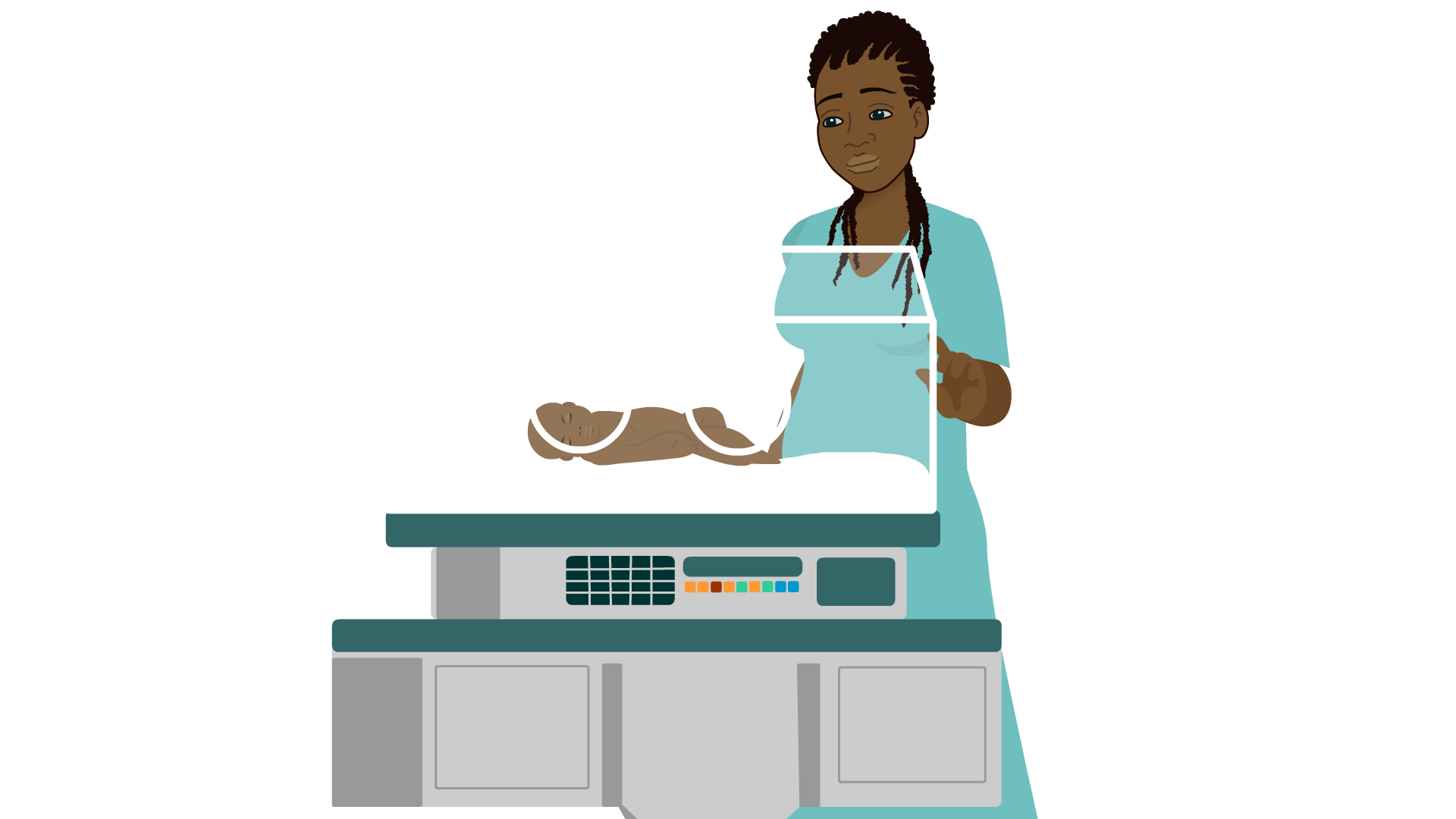
Preterm birth is the birth of a baby too early, before 37 weeks or 8½ months.
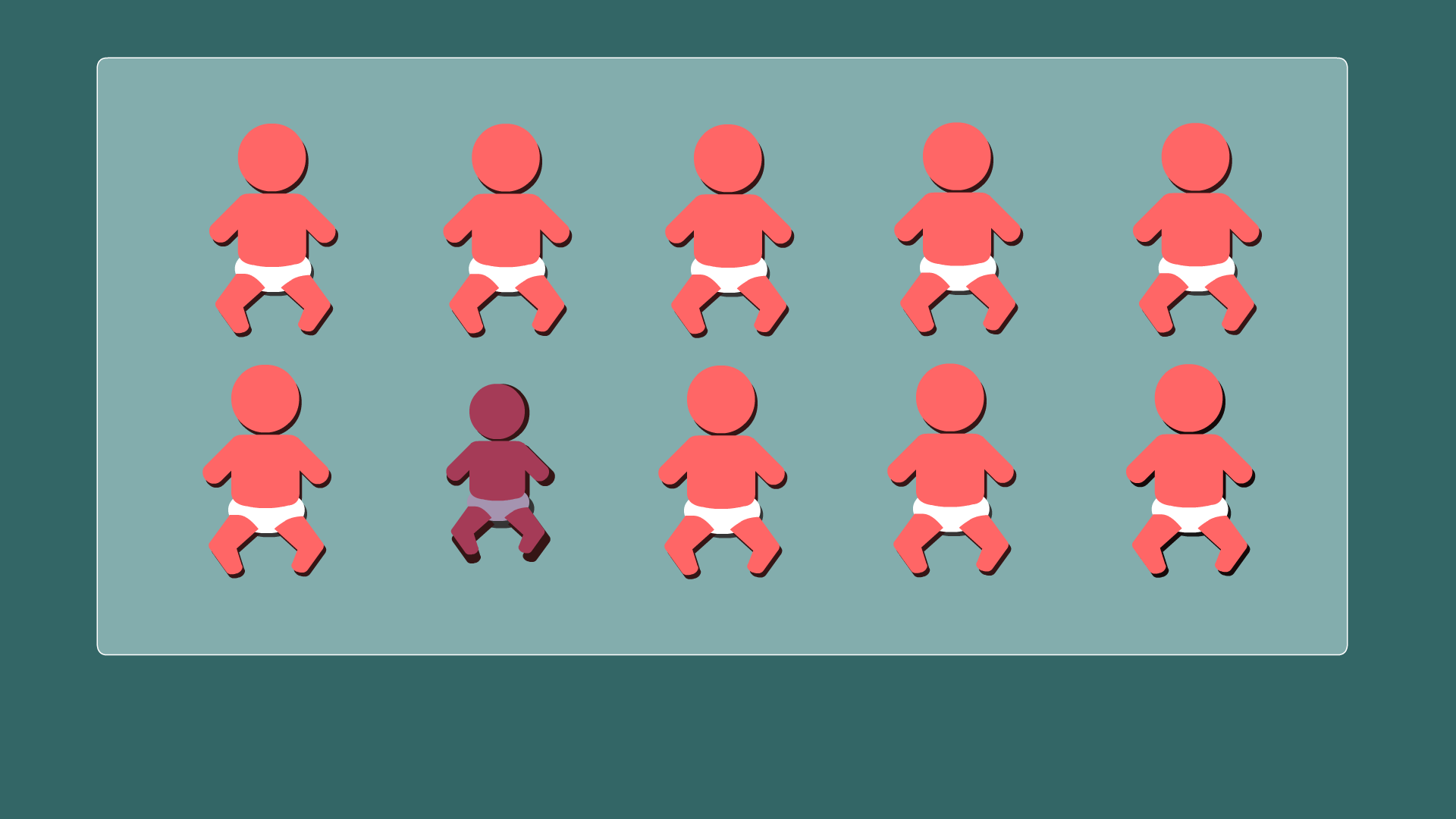
Globally, more than 1 in 10 babies are born preterm. Preterm birth can cause health problems because the baby's organs may not be fully developed yet.
Why do I need to know about preterm birth?
Preterm birth is the biggest cause of newborn deaths worldwide. Over a million babies die each year due to being born too soon.
By knowing the risks, noticing early warning signs and understanding the treatments, sometimes you can take action to help both yourself and your baby.
What are the risk factors for preterm birth?
There are many reasons why a baby might be born early. These can be grouped into three types:
- Non-changeable – for example, having had a preterm birth before, being under 18 or over 35, carrying twins or other types of multiple pregnancy, having a uterine abnormality, such as short cervix or fibroids, or a history of late miscarriage or cervical surgery.
- Somewhat changeable (modifiable) – for example, stress, depression, domestic violence or hard physical work.
- Changeable (modifiable) – for example, infection during pregnancy (e.g. urinary tract infection, sexually transmitted infection, vaginal infection), high blood pressure, poor diet (e.g. low iron or folic acid), smoking or second-hand smoke, short gap between pregnancies (less than 24 months) or not attending antenatal appointments.
How can I prevent preterm birth?
While not all preterm births can be prevented, there are many steps you can take to lower your chances of preterm birth:
- Go to all your antenatal appointments
- Eat nutritious food like green vegetables, beans, fruit and whole grains
- Treat infections early (e.g. urinary or vaginal infections)
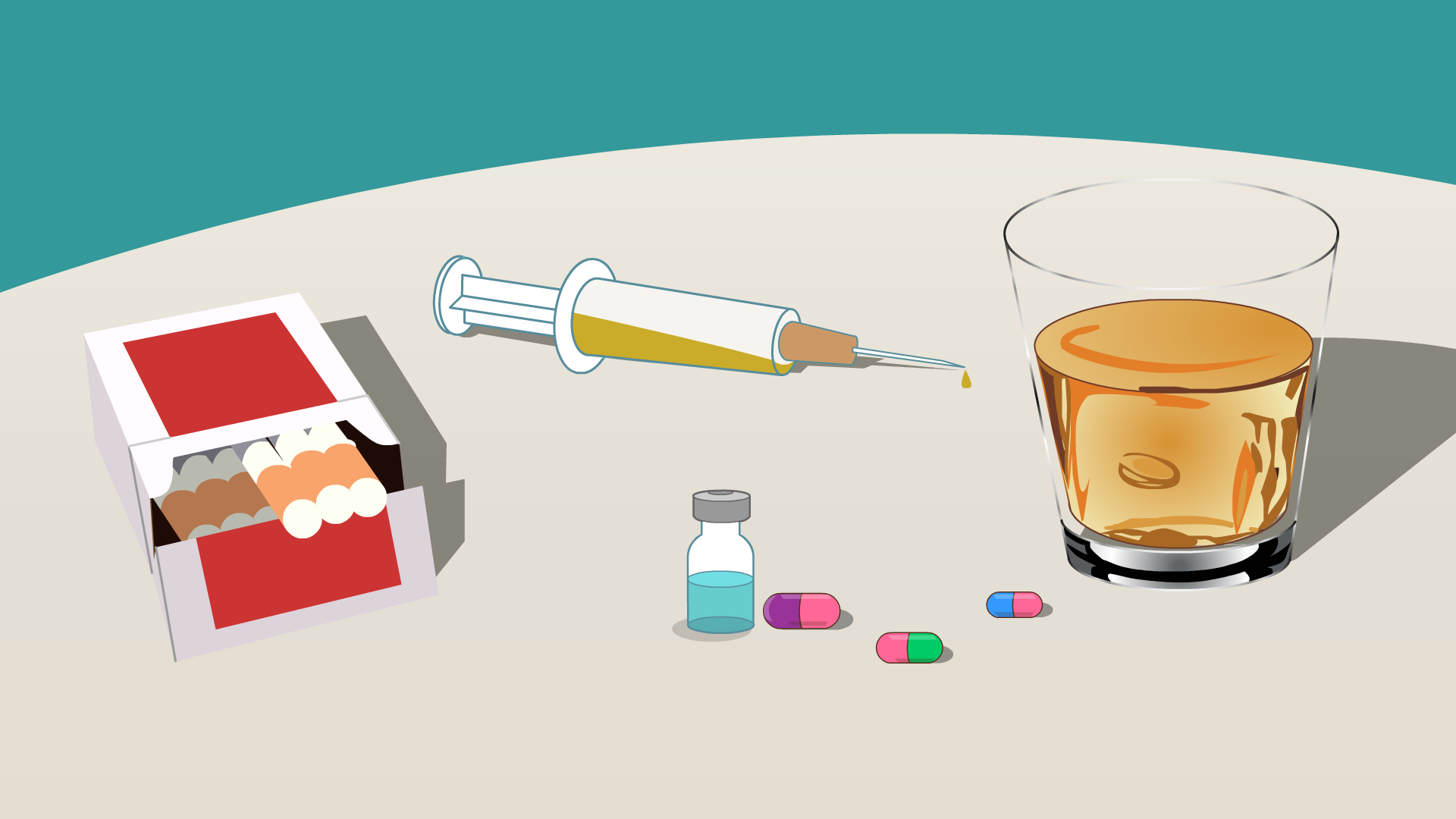
- Do not smoke or take illegal drugs and avoid alcohol
- Space pregnancies by at least 24 months
- Reduce stress where possible and seek help if you are not safe at home or are experiencing domestic violence
- Manage any existing health problems, such as diabetes or high blood pressure
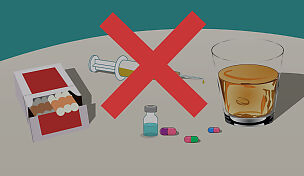
These steps can make a big difference in keeping your pregnancy healthy.
What medical treatments can help prevent preterm birth?
If you are found to be at higher risk of preterm birth, your healthcare provider may offer:
- Vaginal progesterone: this is a hormone treatment that can help prevent early labor, especially if you have a short cervix.
- Aspirin in a low dose: this is to help prevent high blood pressure-related complications like pre-eclampsia.
- Cervical cerclage (a stitch in your cervix): this is a procedure to strengthen the cervix if it is weak or short in certain situations, only if recommended by a specialist doctor.
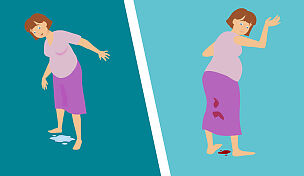
What are the signs that I might be going into preterm labor?
If you are less than 37 weeks or 8½ months pregnant and have any of these then see your healthcare worker as soon as possible:
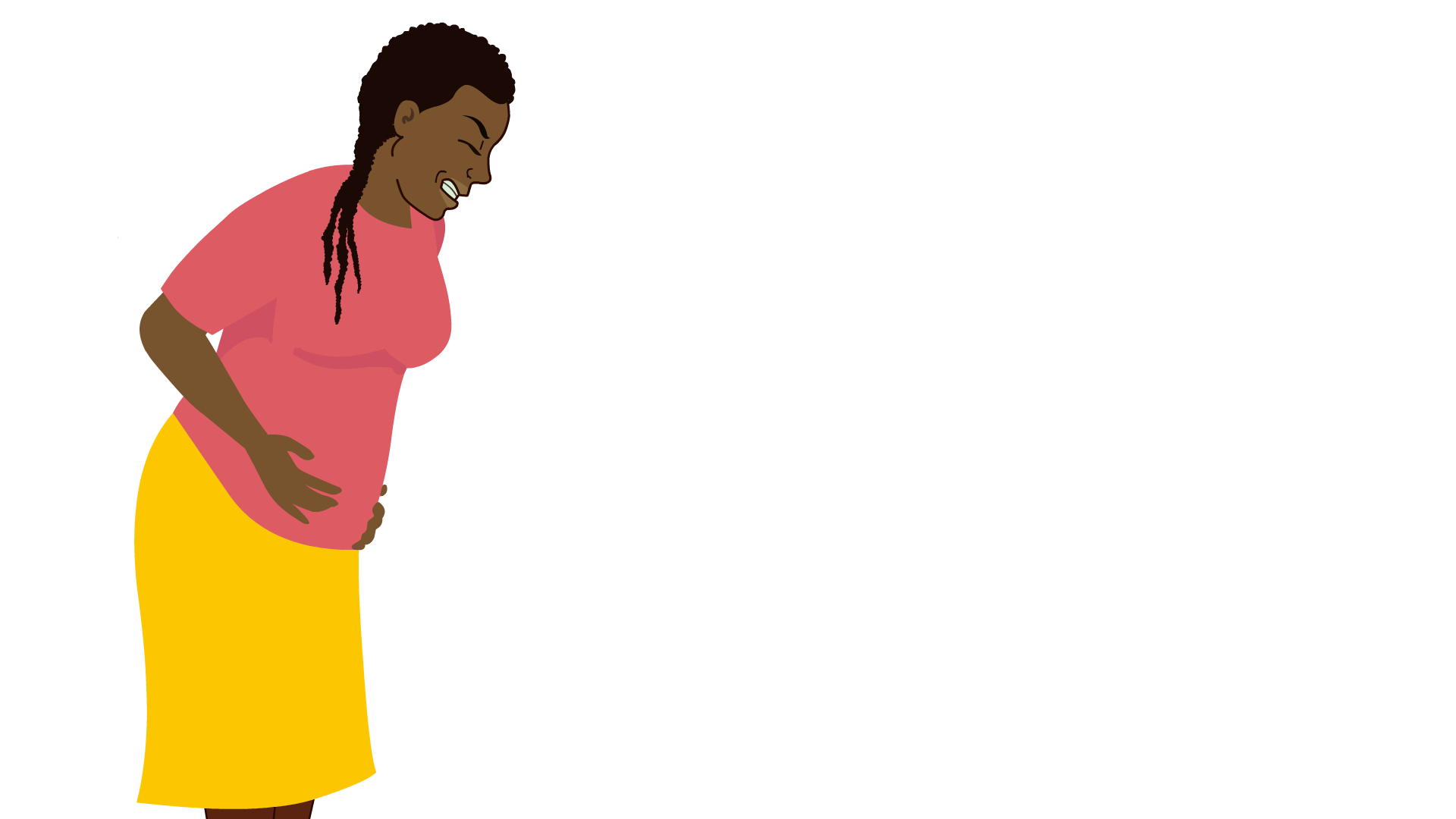
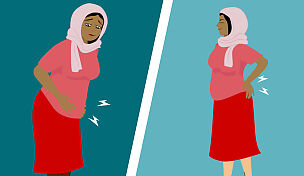
- Regular tightening or contractions in your abdomen
- Period-like pain or strong cramping
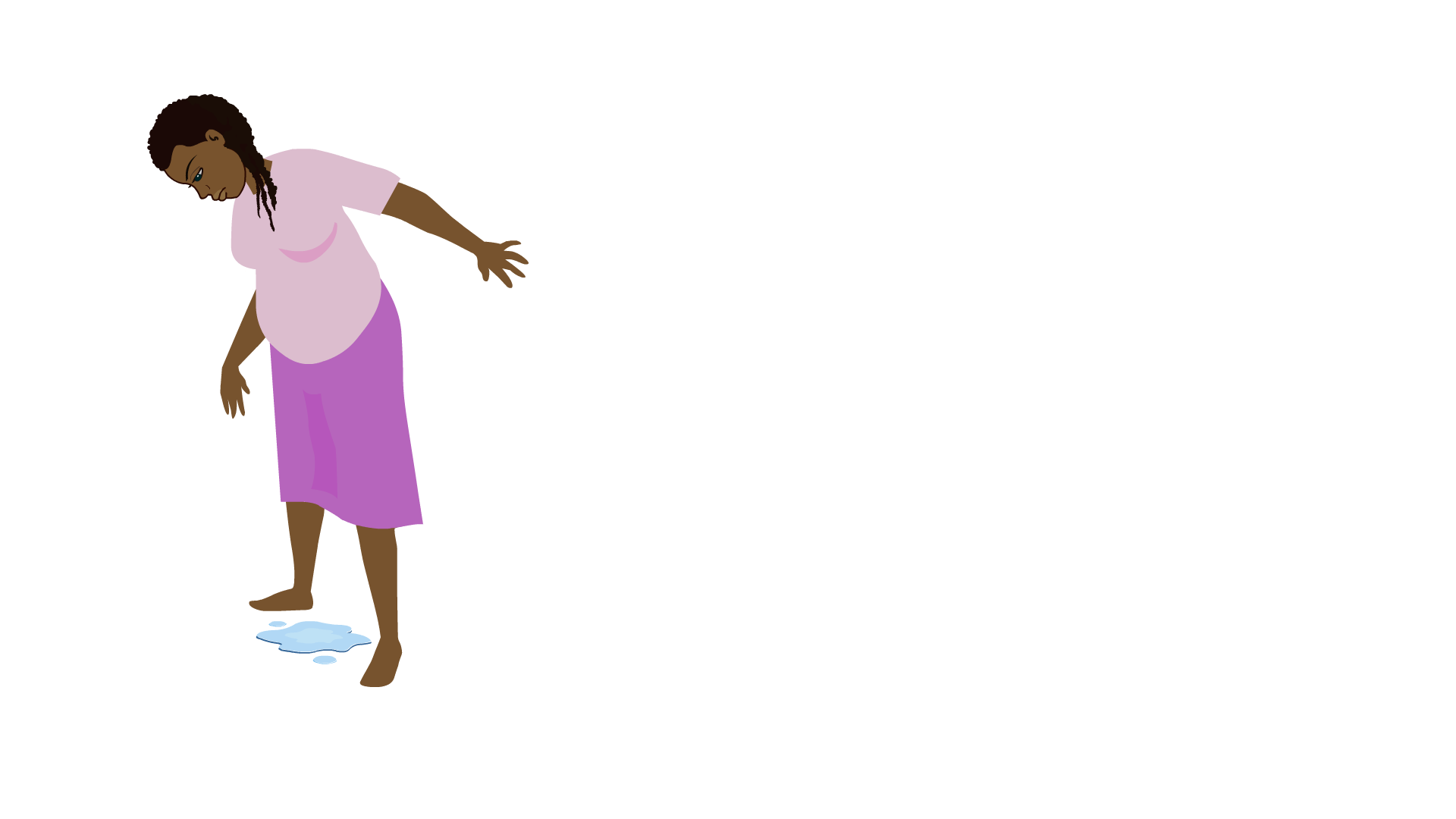
- A sudden gush or steady trickle of fluid from your vagina (waters breaking)
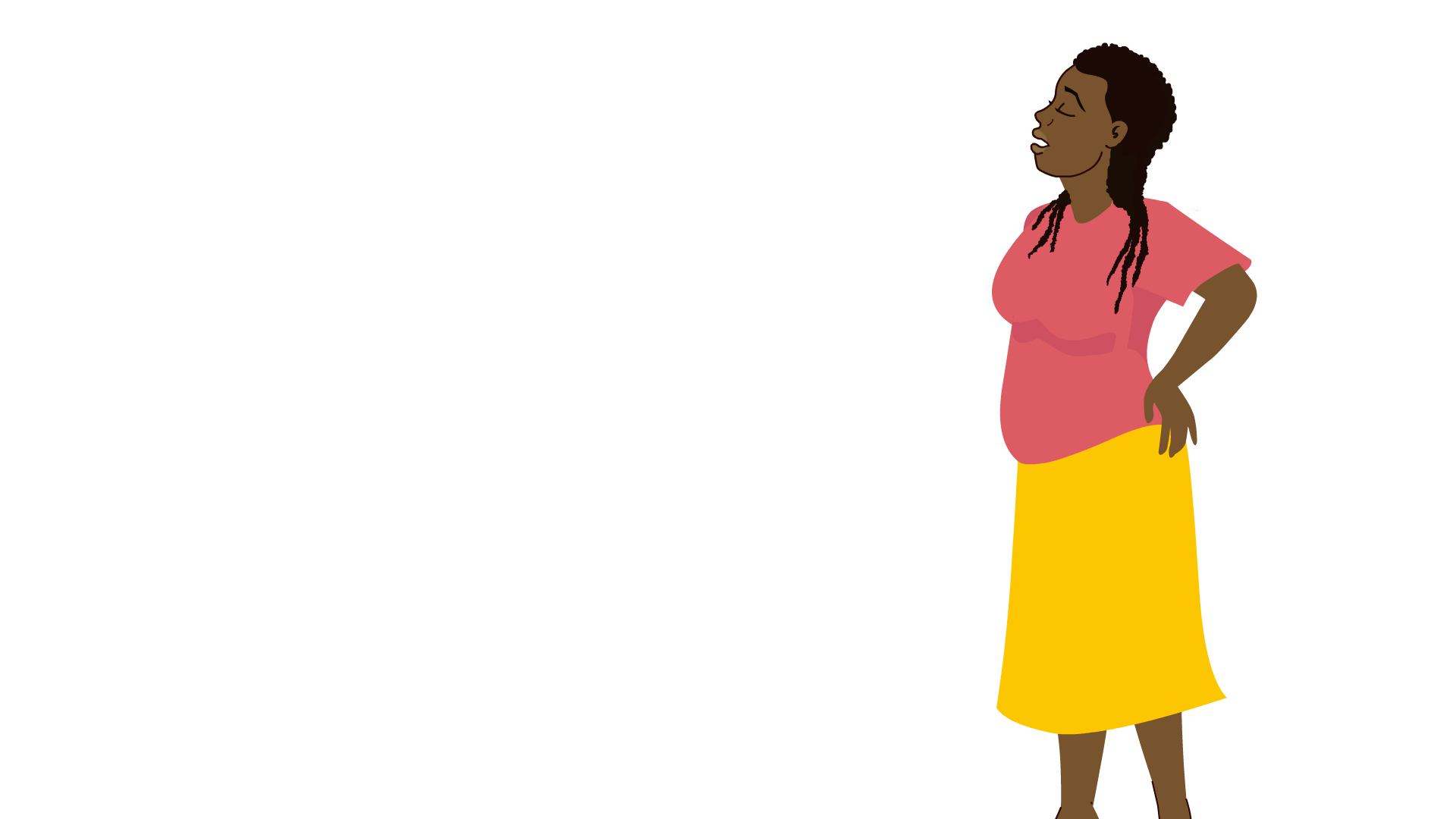
- Unusual backache that does not go away
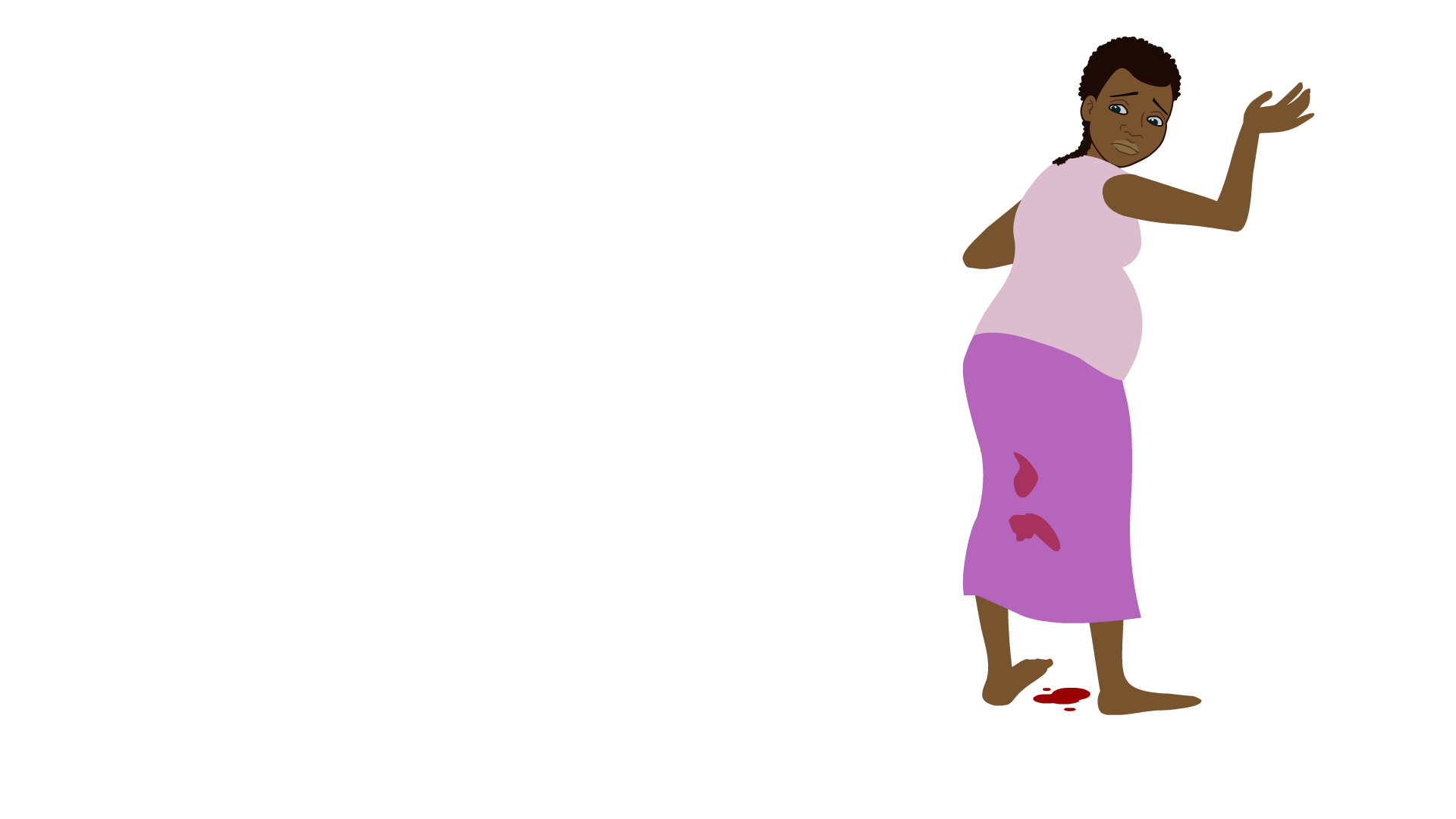
- Bleeding from your vagina
Some of these symptoms may seem like normal pregnancy discomforts, but if they are strong, regular or unusual for you, get checked. Early action can help keep you and your baby safe.
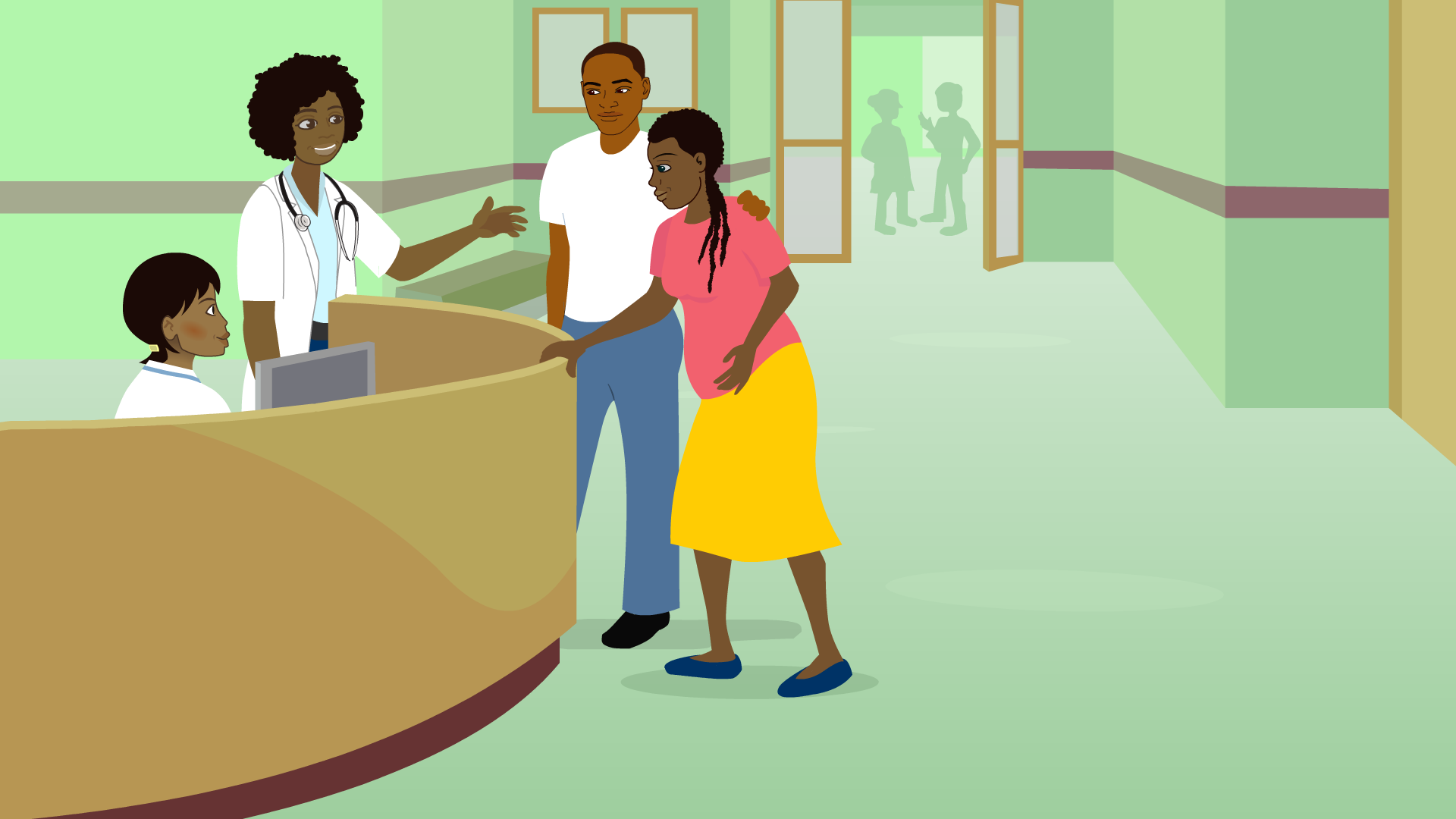
What happens if I go to hospital with preterm labor?
If you go into preterm labor, healthcare workers may:
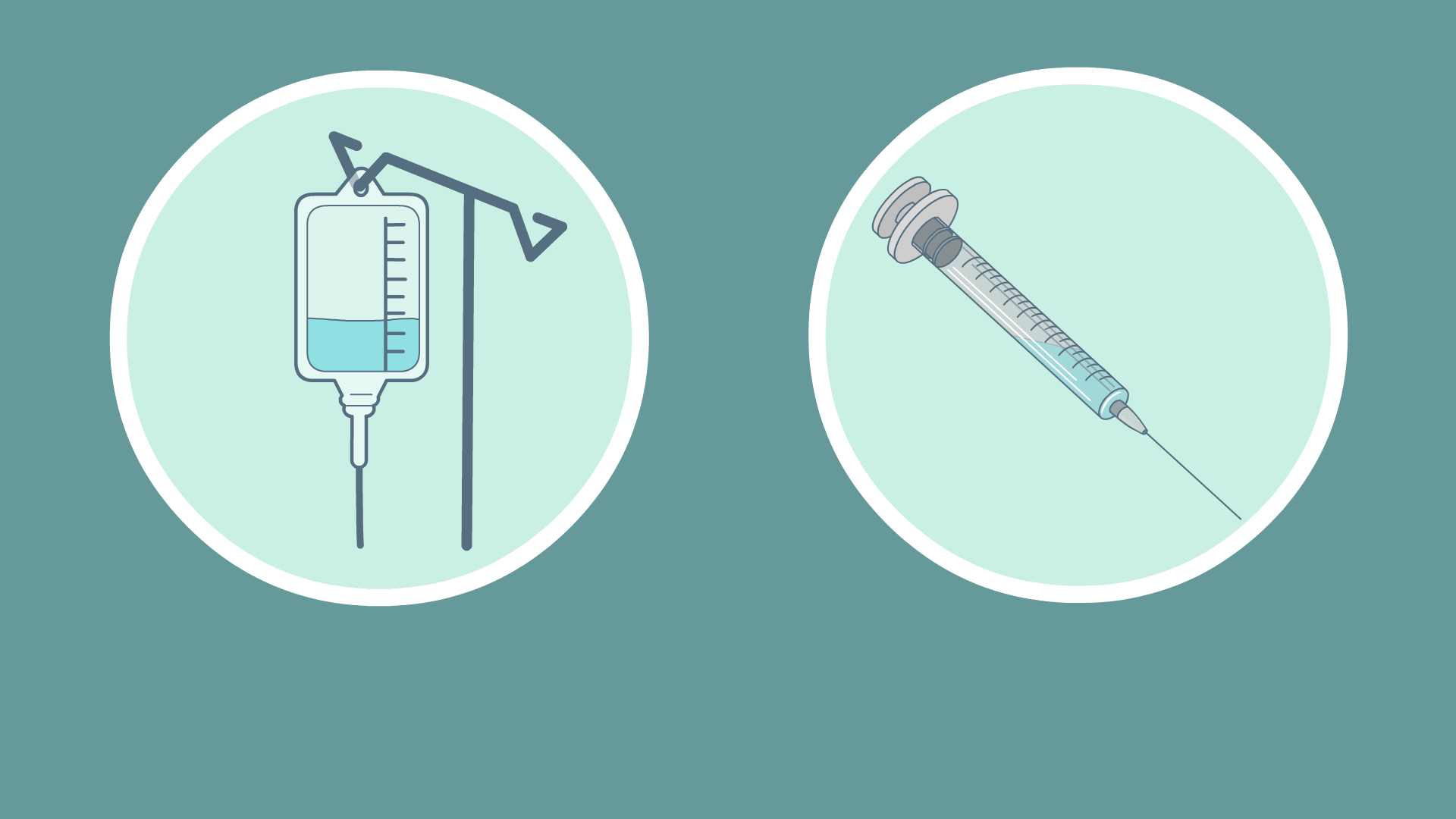
- Give you an injection of corticosteroids to help your baby’s lungs develop
- Give you a drip with magnesium sulfate to protect your baby’s brain
- Start you on antibiotics to prevent infections such as Group B streptococcus
It is very important that you give birth in the right place, with the right facilities to help you and your baby.
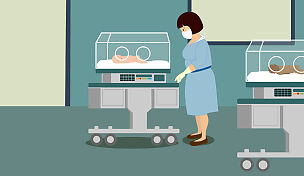
What happens if my baby is born too soon?
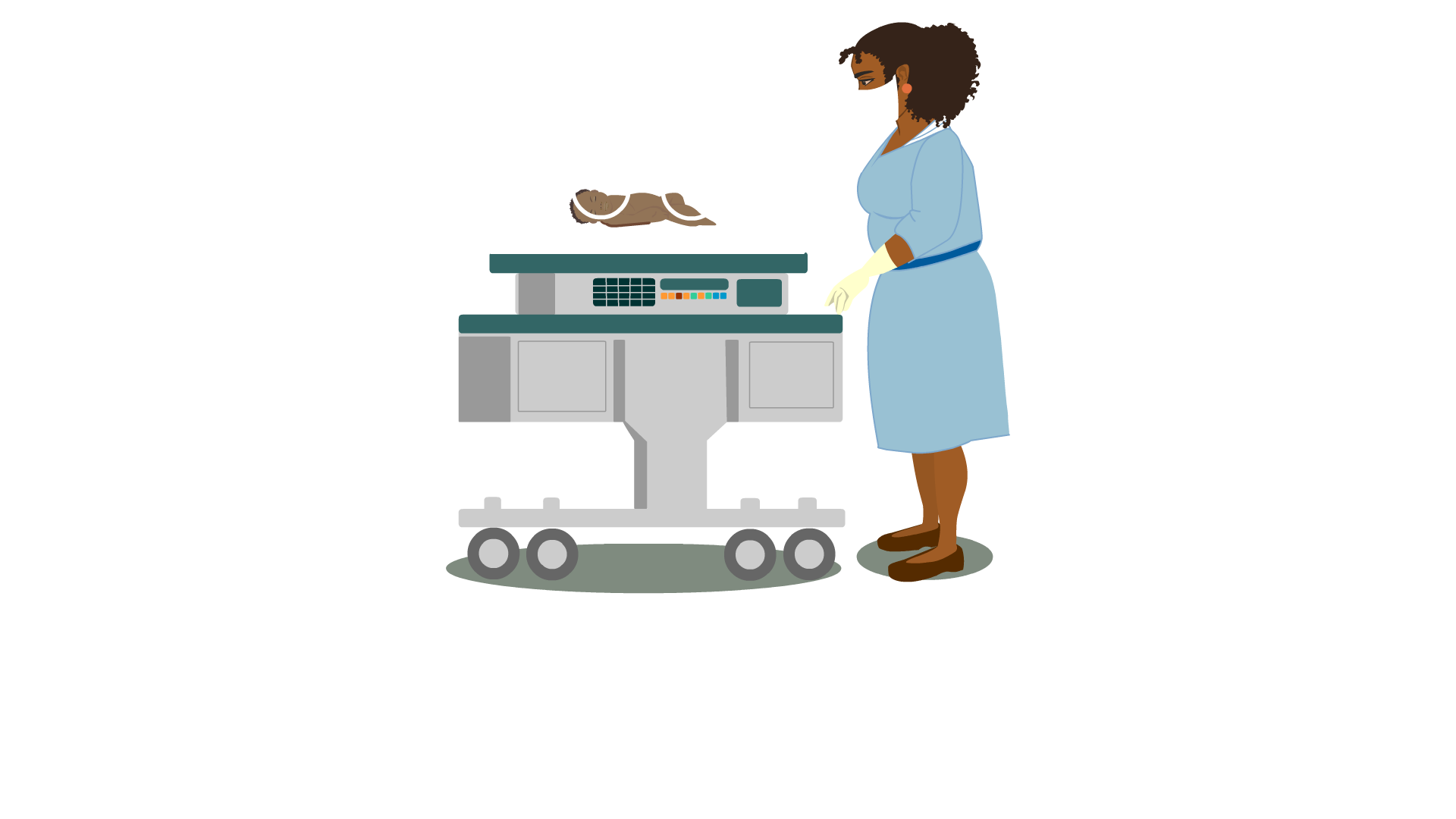
- Your baby may need care in a neonatal unit (NICU) for help with breathing, feeding and warmth
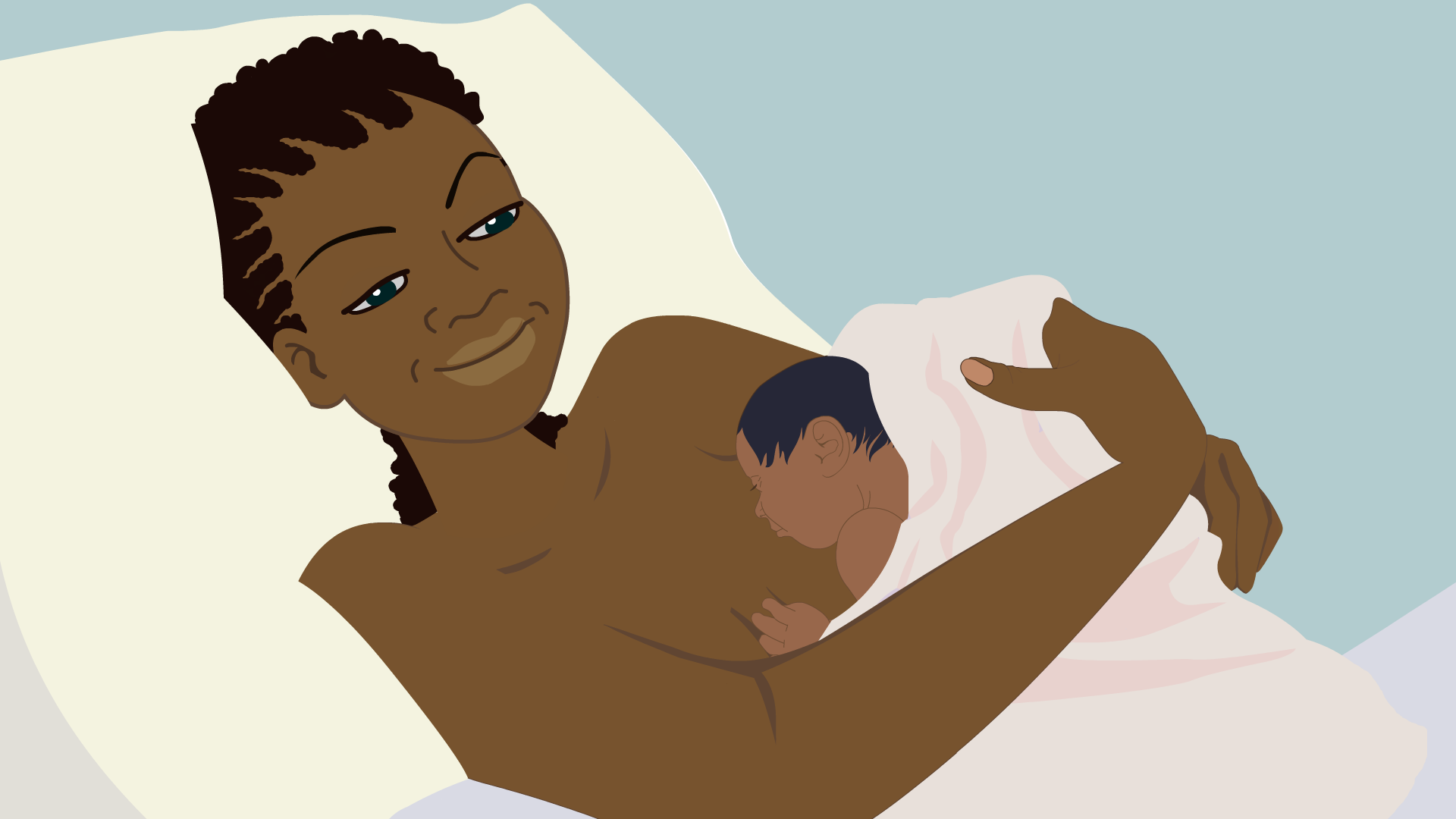
- You may be asked to do kangaroo care (skin-to-skin contact), which helps your baby stay warm, gain weight and bond with you
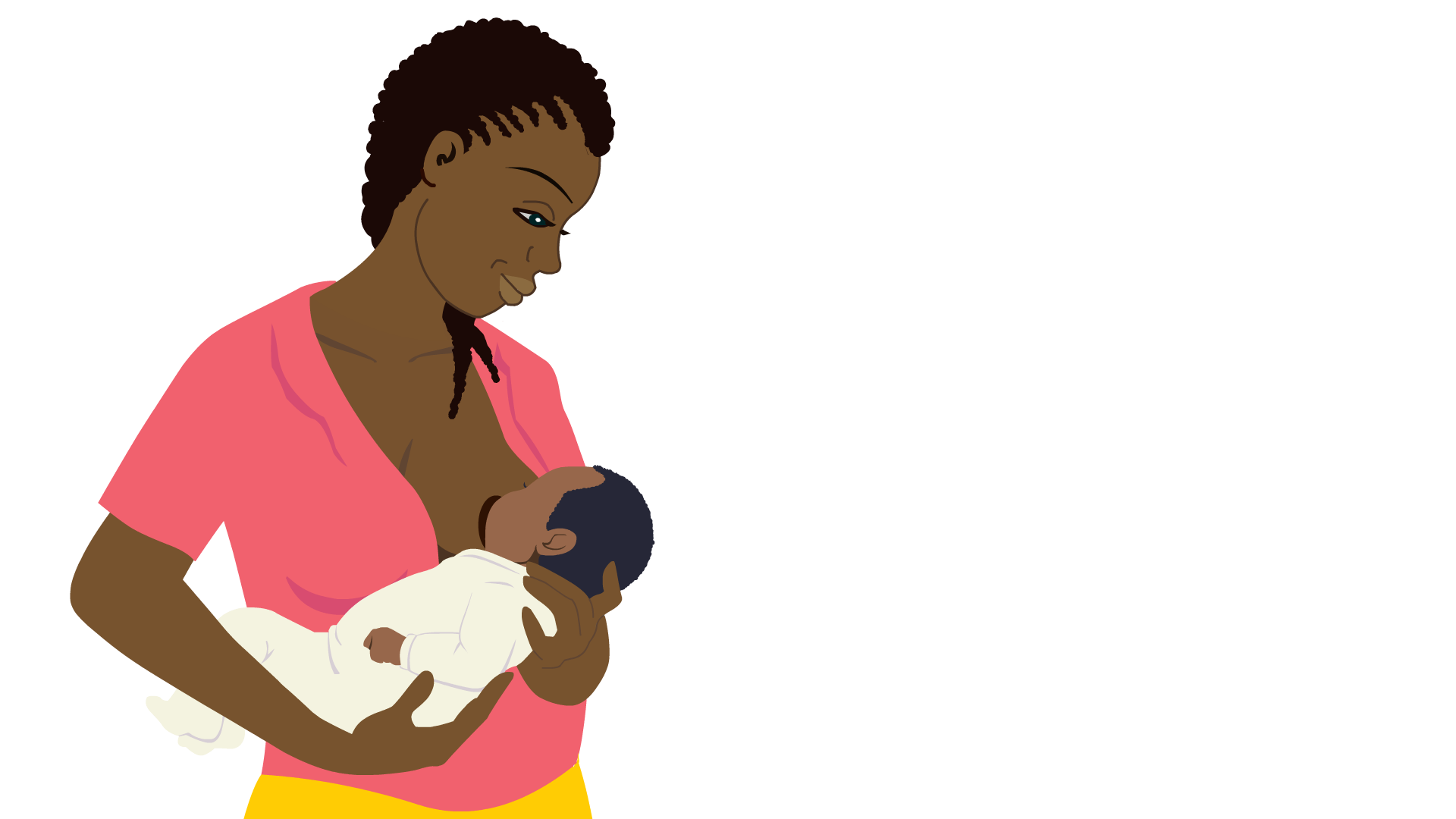
- You may be encouraged to breastfeed or express milk, which gives your baby important nutrients and protection from infections
What to do in the future?
If you’ve had a preterm birth before, it is very important to seek early care in your next pregnancy. Healthcare workers can monitor you more closely and offer treatments to lower the chance of another preterm birth.
The authors of this PREMATURE BIRTH program are:
- Eleri Miles, University of Liverpool, Liverpool, UK
- Dr Laura Goodfellow, Liverpool Women’s Hospital, Liverpool, UK
- Dr Aisha Hamza, Mersey and West Lancashire Teaching Hospitals NHS Trust, Rainhill, Prescot, UK
The Welfare of Women program has been created under the General Editorship of Dr Kate Lightly, University of Liverpool, UK and is overseen by an expert International Editorial Board
The publishing reference for this program is: DOI 10.3843/GLOWM.w10094
The Welfare of Women information program is an attempt to provide women everywhere with access to reliable information about key health issues that may be relevant to them. Information is offered at three separate levels which women may select according to their preferences; firstly, short video animations with voice commentary, secondly, more detailed text-based descriptions, and thirdly, links to recommended further reading. With the animated videos, women can also select the images that they feel most comfortable in viewing from a short range of very generalized and non-specific ethnicity options. Because of the special programming used, both the videos and the text information can – when authorized – be translated into any language in a simple and rapid manner.
Recommended links for more comprehensive and detailed reading
The following websites provide more comprehensive and extensive information on this topic, which is both reliable and strongly recommended for readers who want to learn more than the details provided above:
Preterm birth (factsheet)
https://www.who.int/news-room/fact-sheets/detail/preterm-birth
Preterm birth (video)
https://www.youtube.com/watch?v=F_-WL_90a_A
What are the risk factors for preterm labor and birth?
https://www.nichd.nih.gov/health/topics/preterm/conditioninfo/who_risk
What are the symptoms of preterm labor?
https://www.nichd.nih.gov/health/topics/preterm/conditioninfo/symptoms
Premature labour and birth
https://www.nhs.uk/pregnancy/labour-and-birth/signs-of-labour/premature-labour-and-birth/
Born too soon: decade of action on preterm birth
https://www.who.int/publications/i/item/9789240073890
Resources the author(s) used in preparing this guidance
World Health Organization (WHO). Preterm Birth. World Health Organization: WHO; 2023
https://www.who.int/news-room/fact-sheets/detail/preterm-birth/
Born too soon: decade of action on preterm birth
https://www.who.int/publications/i/item/9789240073890
NHS England. Saving Babies’ Lives Version 3. A care bundle for reducing perinatal mortality. Classification: Official Publication reference: PRN00614
https://www.england.nhs.uk/long-read/saving-babies-lives-version-3-2/
WHO antenatal care recommendations for a positive pregnancy experience. Nih.gov. World Health Organization; 2020
https://www.ncbi.nlm.nih.gov/books/NBK560384/
Geneva. Report of a WHO Technical Consultation on Birth Spacing Department of Making Pregnancy Safer (MPS). 2005
https://iris.who.int/bitstream/handle/10665/69855/WHO_RHR_07.1_eng.pdf?sequence=1
World Health Organization. WHO Recommendations on Antenatal Care for a Positive Pregnancy Experience [Internet]. World Health Organization. 2016
https://www.who.int/publications/i/item/9789241549912
NICE. Overview | Preterm labour and birth | Guidance | NICE [Internet]. Nice.org.uk. NICE; 2022
https://www.nice.org.uk/guidance/ng25
NHS. Premature labour and birth [Internet]. nhs. uk. 2020
https://www.nhs.uk/pregnancy/labour-and-birth/signs-of-labour/premature-labour-and-birth/
What are the symptoms of preterm labor? [Internet]. https://www.nichd.nih.gov/. 2023
https://www.nichd.nih.gov/health/topics/preterm/conditioninfo/symptoms
