

Obstetric fistula
An educational
initiative
supported by

Written by experienced doctors, midwives and other medical professionals –
and approved by a specialist Editorial Board
Select Avatar


Select Language
We plan to provide other language versions as soon as funding is available
Enhancing the Welfare of Women
Expert Health Information for Women




























The authors of this OBSTETRIC FISTULA program are:
- Dr Aduragbemi Banke-Thomas
London School of Hygiene & Tropical Medicine, UK - Dr Opeyemi Akinajo
College of Medicine, University of Lagos, Nigeria - Dr Adedoyin Ogunyemi
College of Medicine, University of Lagos, Nigeria - Dr Francis Muriithi
University of Birmingham, UK - Professor Bosede Afolabi
College of Medicine, University of Lagos, Nigeria
The Welfare of Women program has been created under the General Editorship of Dr Kate Lightly, University of Liverpool, UK and is overseen by an expert International Editorial Board.
The cost of producing this resource has been partly funded by an educational grant from GSK
Thank you for watching this Welfare of Women video. We would welcome your views and feedback. Please complete this short questionnaire.
What is an obstetric fistula?
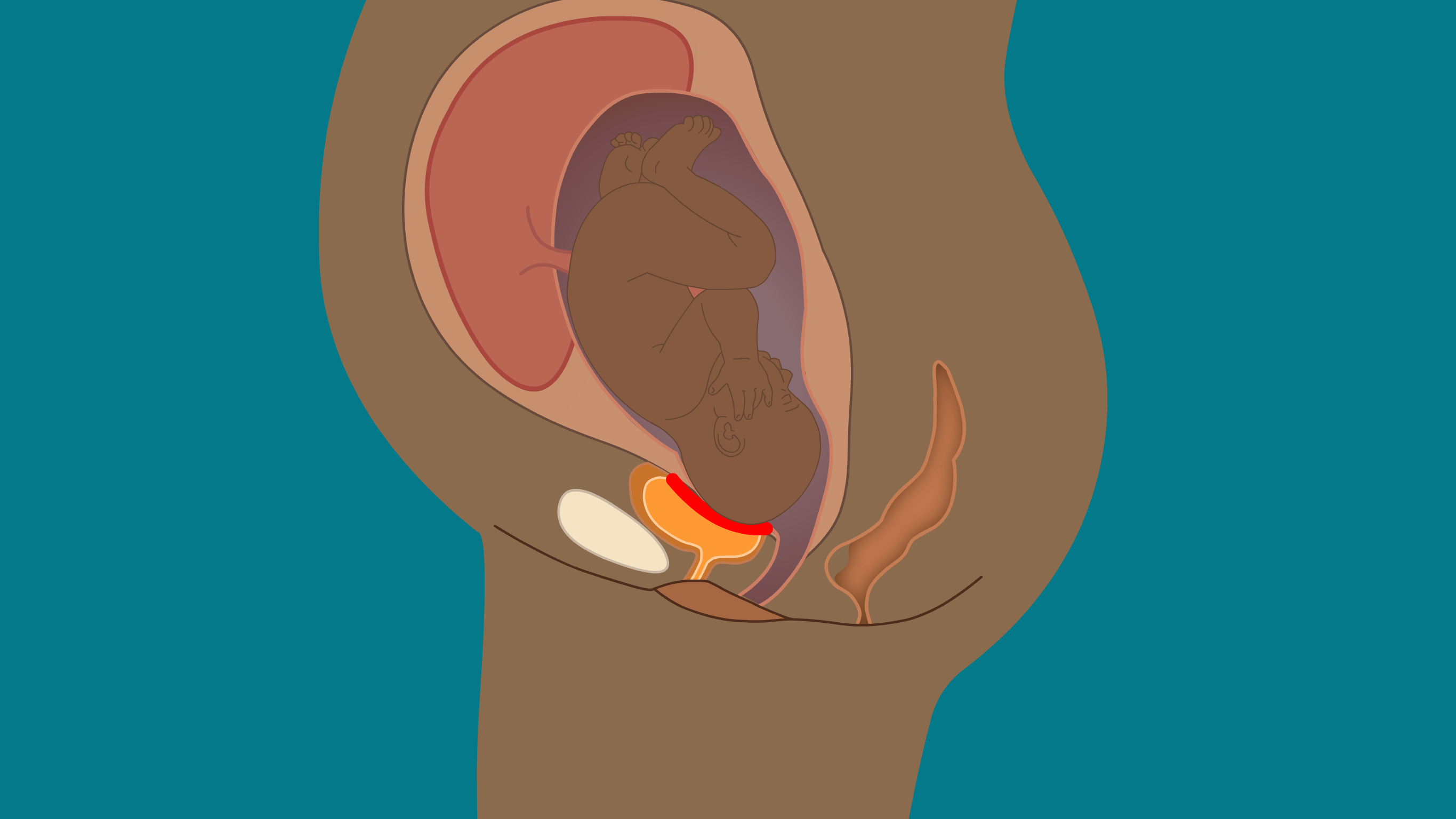
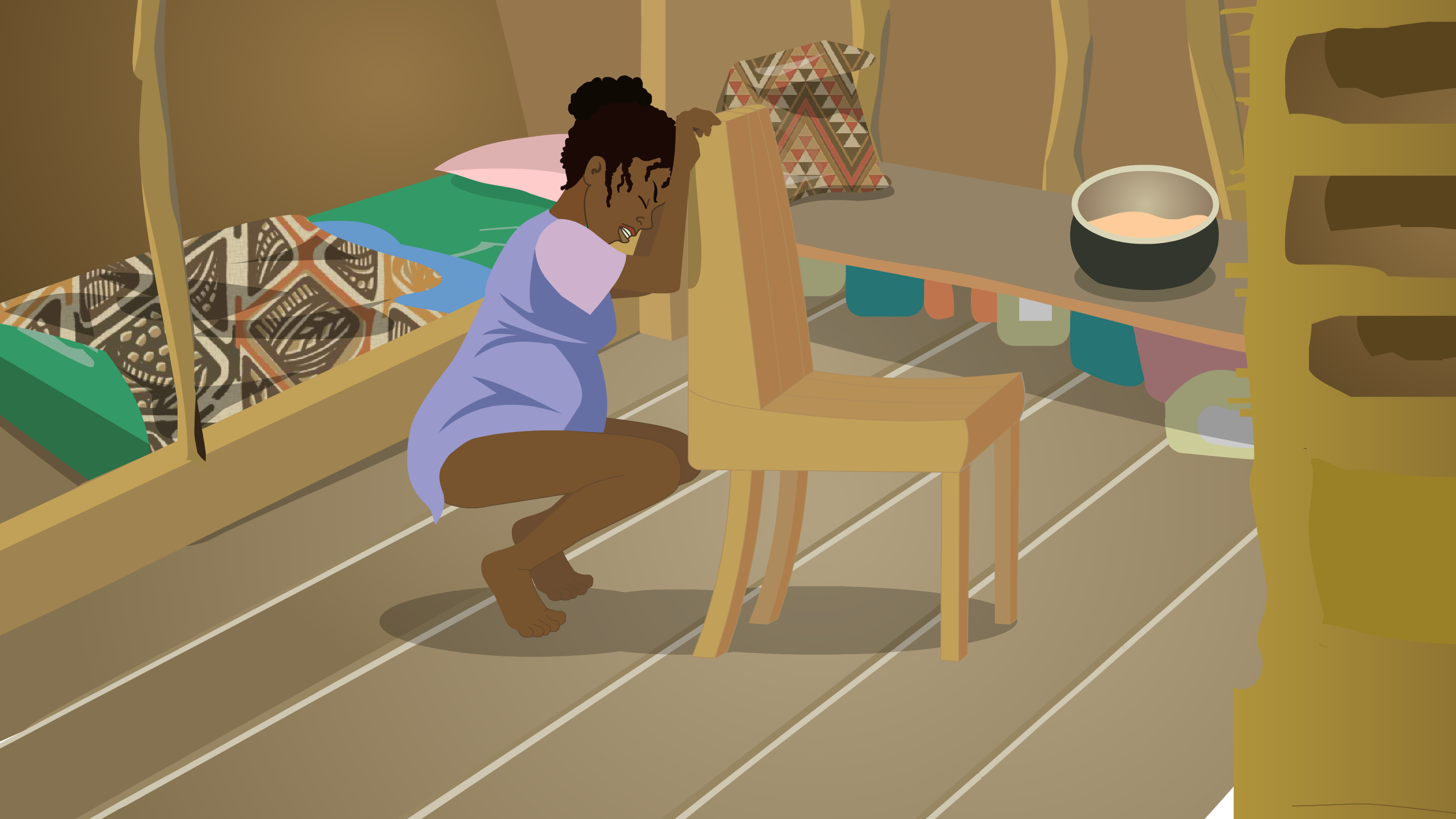
An obstetric fistula is a serious medical problem that can happen when a woman has a very long and difficult birth.
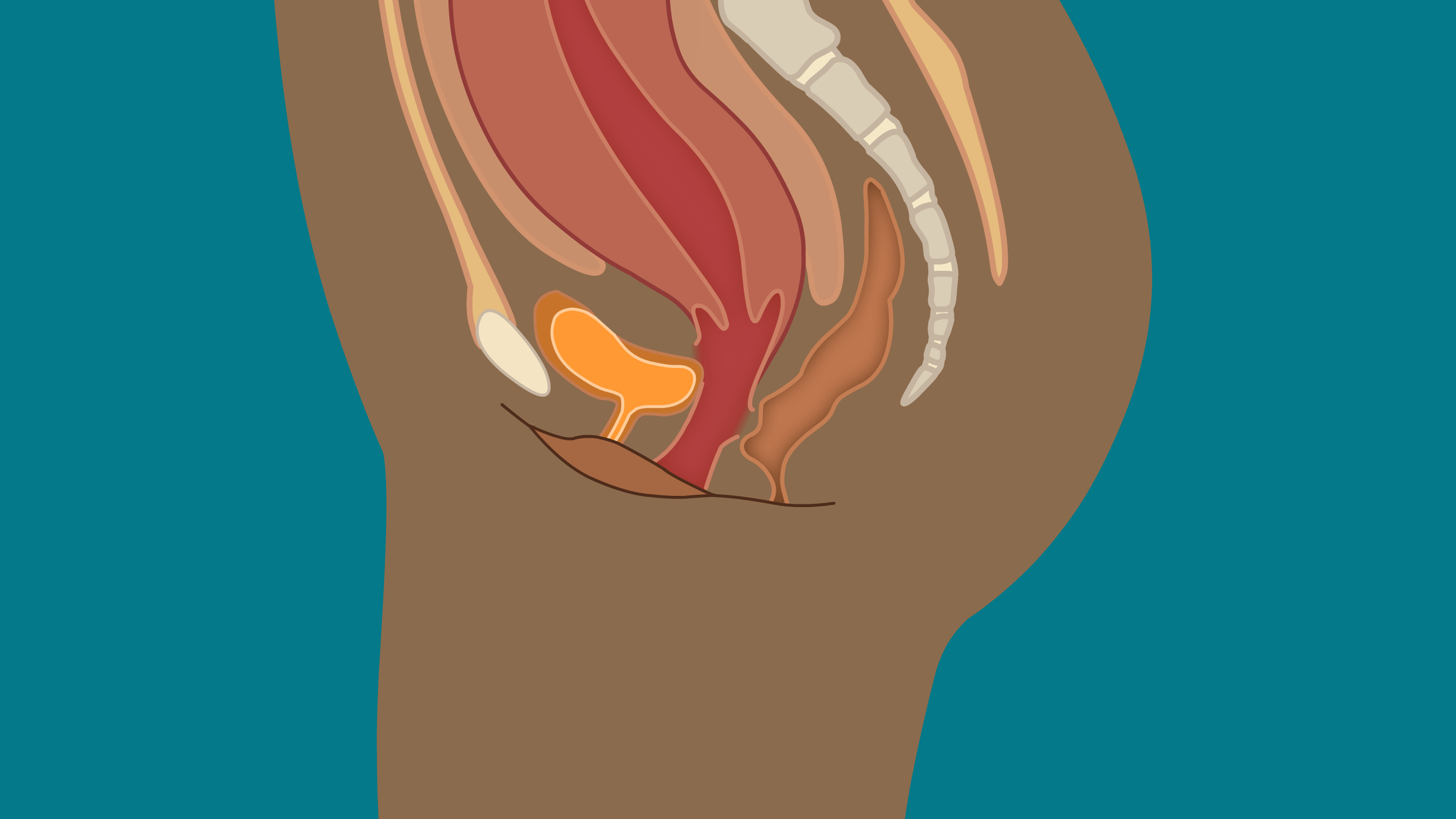
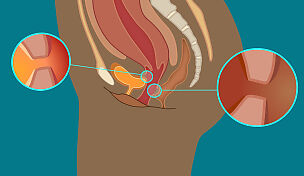
A fistula or hole (abnormal connection) can form, in the vagina, where the baby’s head has been pressing in the birthing canal for too long.
The fistula can be between the birthing canal (vagina) and the bladder (where urine is stored), ureter (the pipe that passes urine from the kidneys to the bladder) or rectum (from where stool is passed out of the body).
How does it happen?
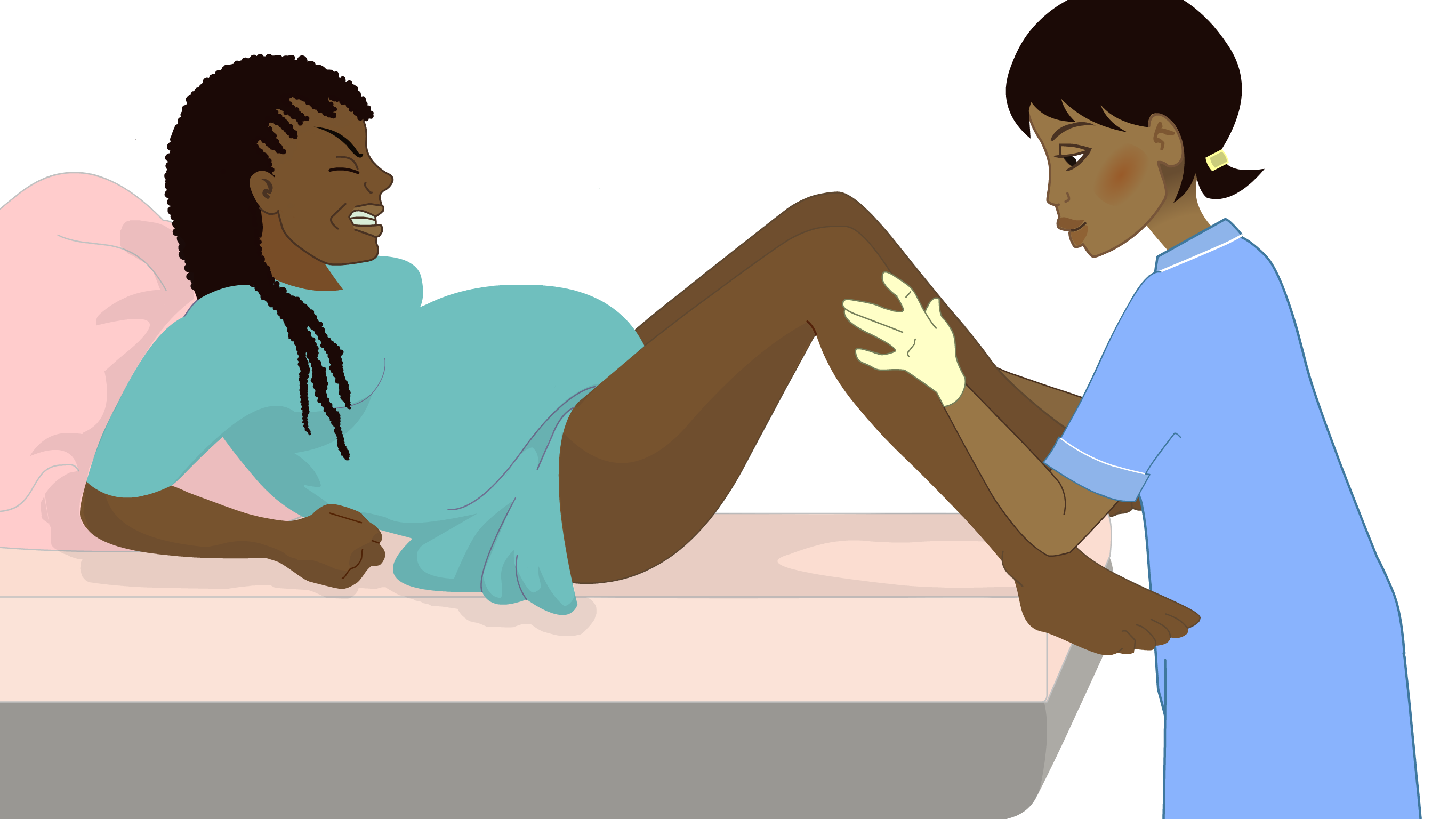
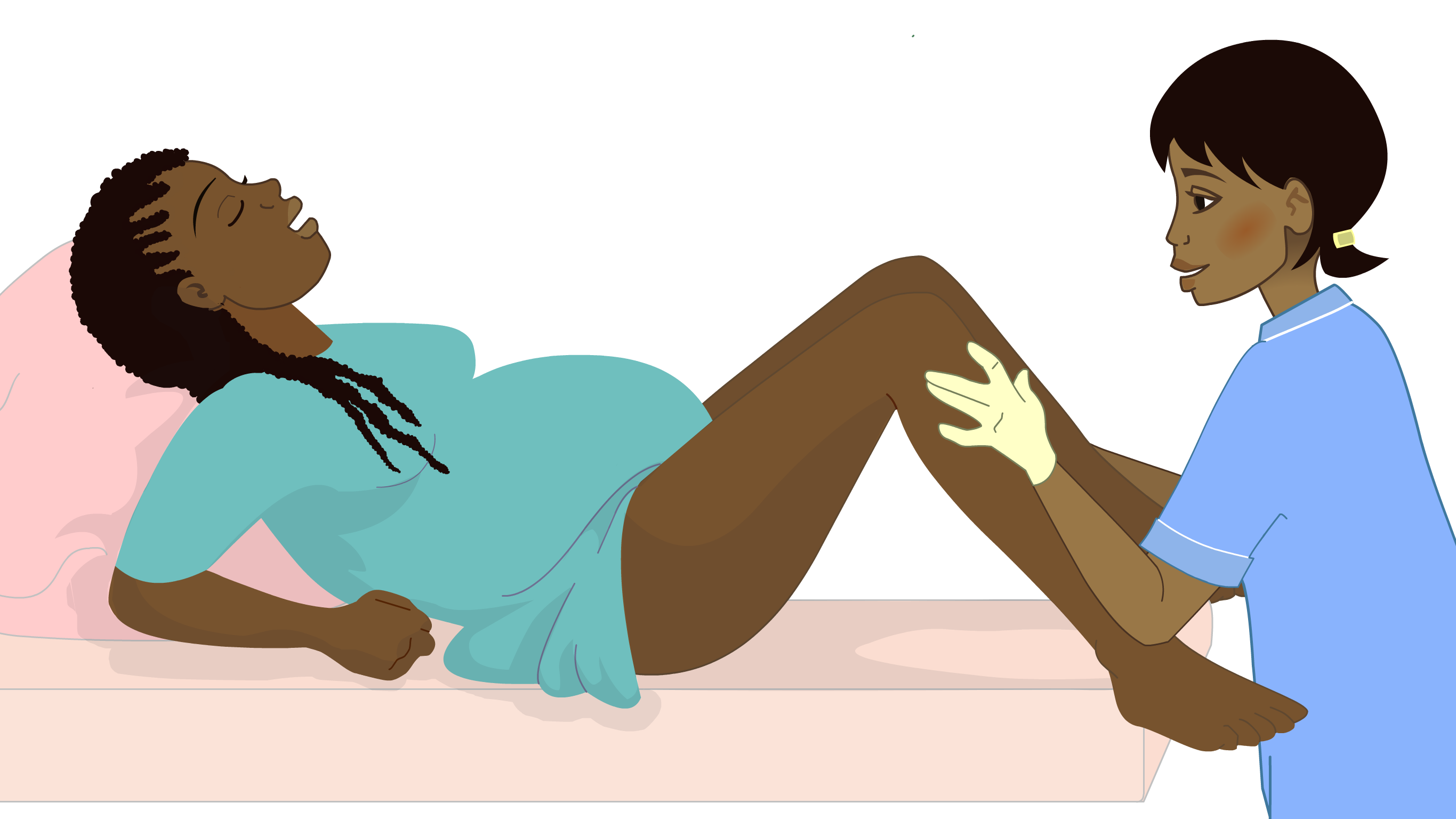
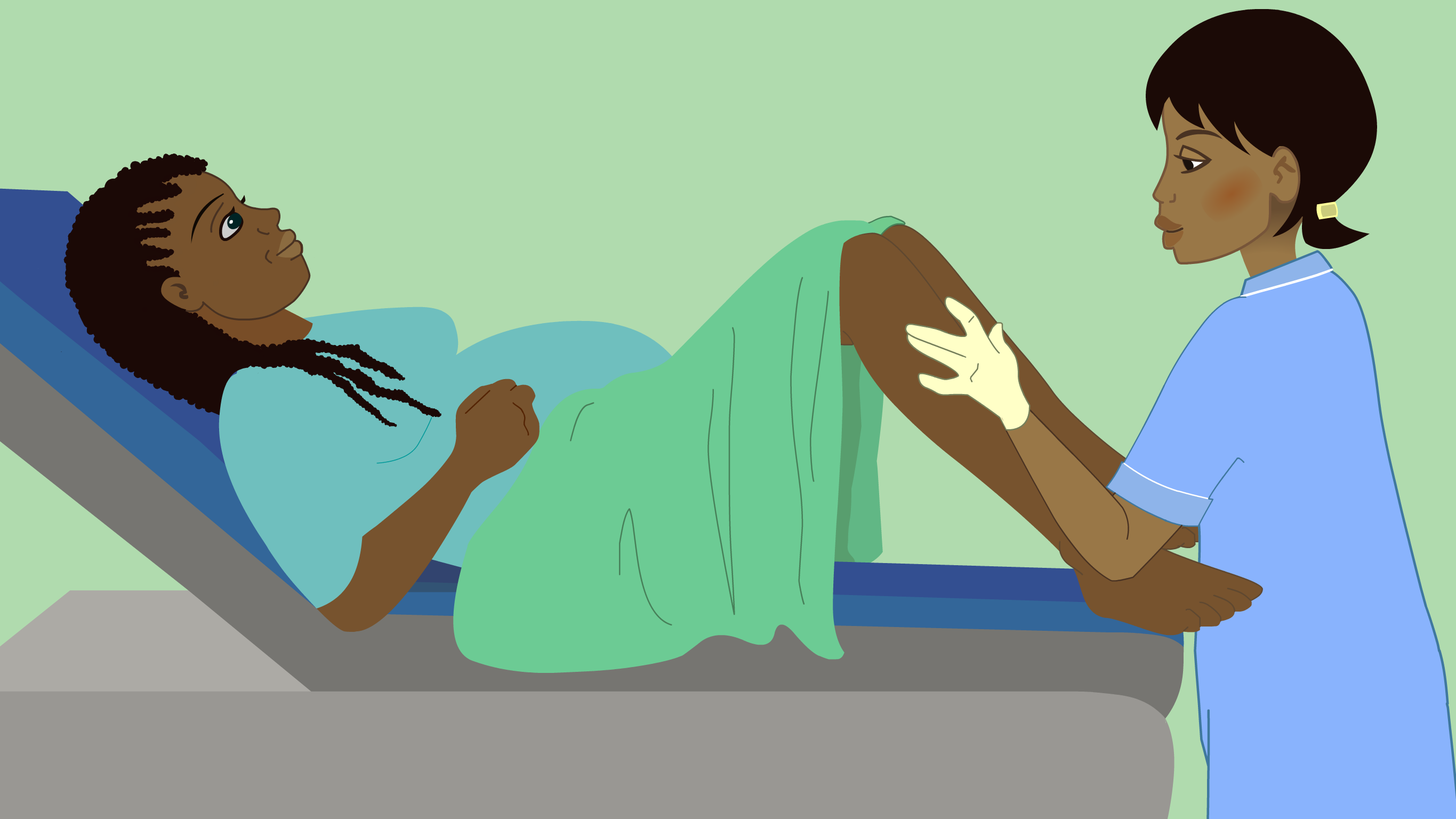
A fistula can form if a long and difficult birth happens without good medical care, typically, when labor lasts for days, without the support of trained healthcare workers.
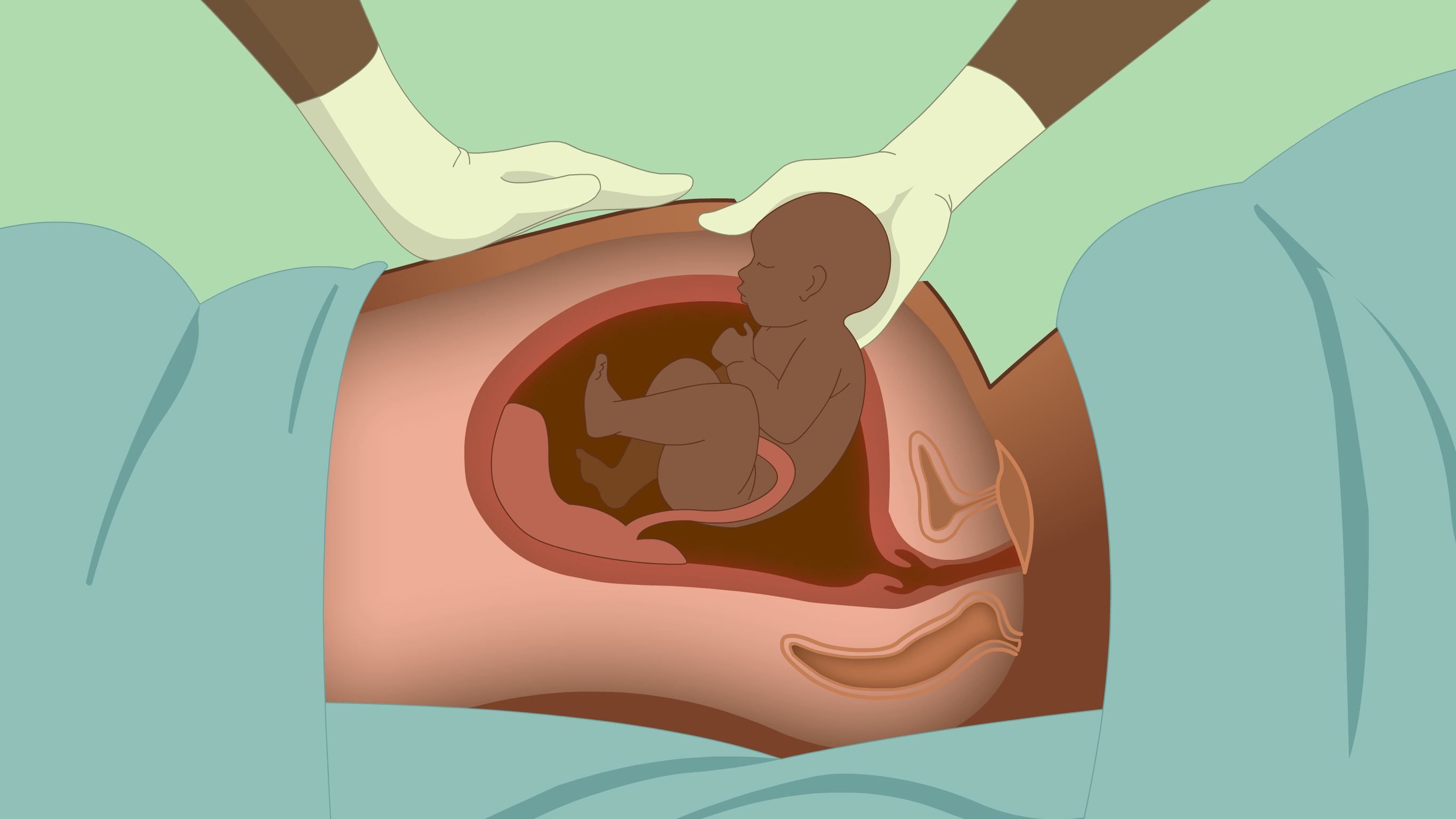
During labor, the baby's head may get stuck, or the baby may be too large to get through the pelvis, and so it presses against the bladder, ureter or rectum for a long time, leading to the formation of the abnormal hole. Rarely, the hole can also occur when skilled health personnel are trying to help the safe birth of a baby, either vaginally with the help of instruments or by cesarean section.
Who is most affected?
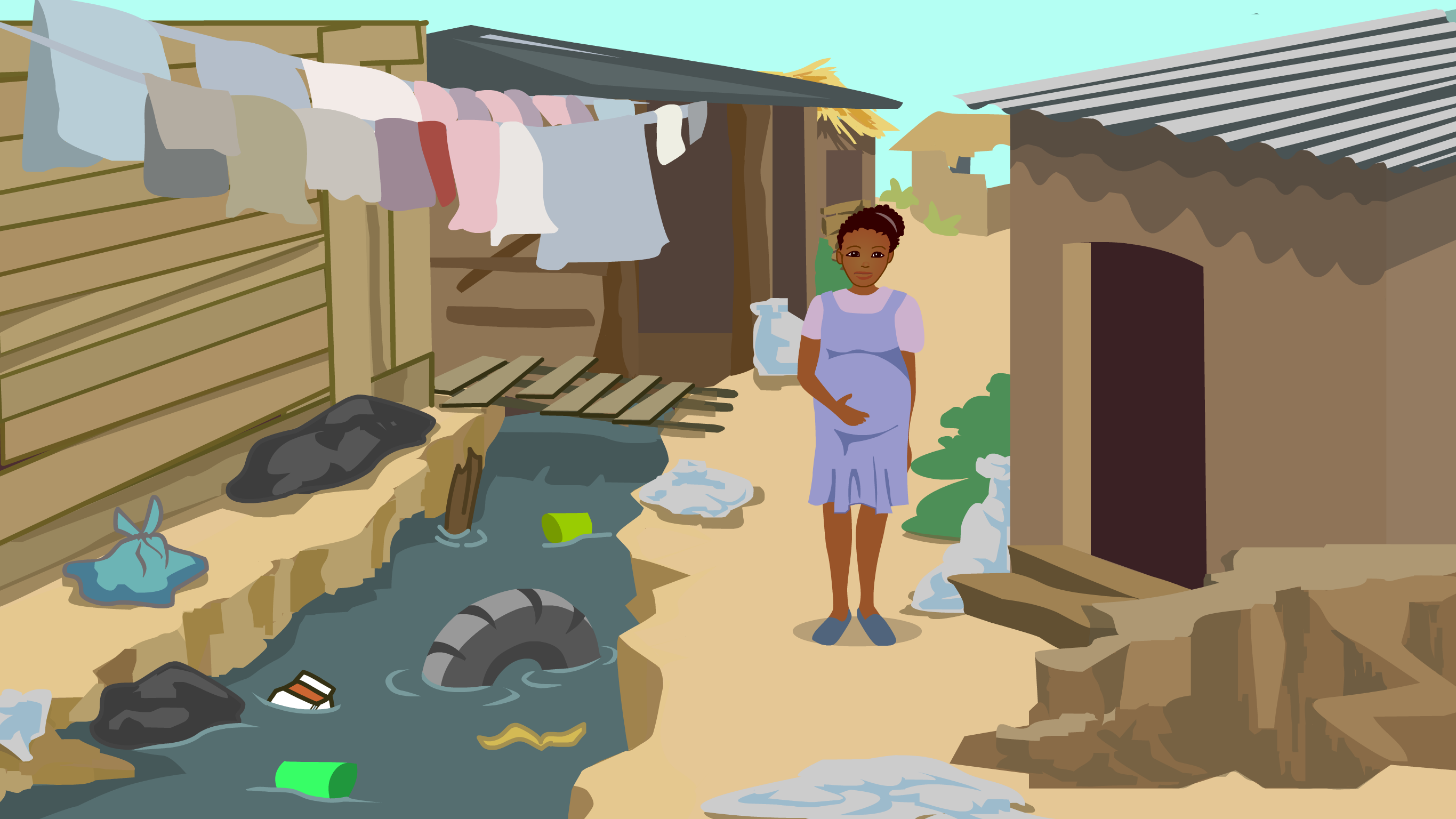
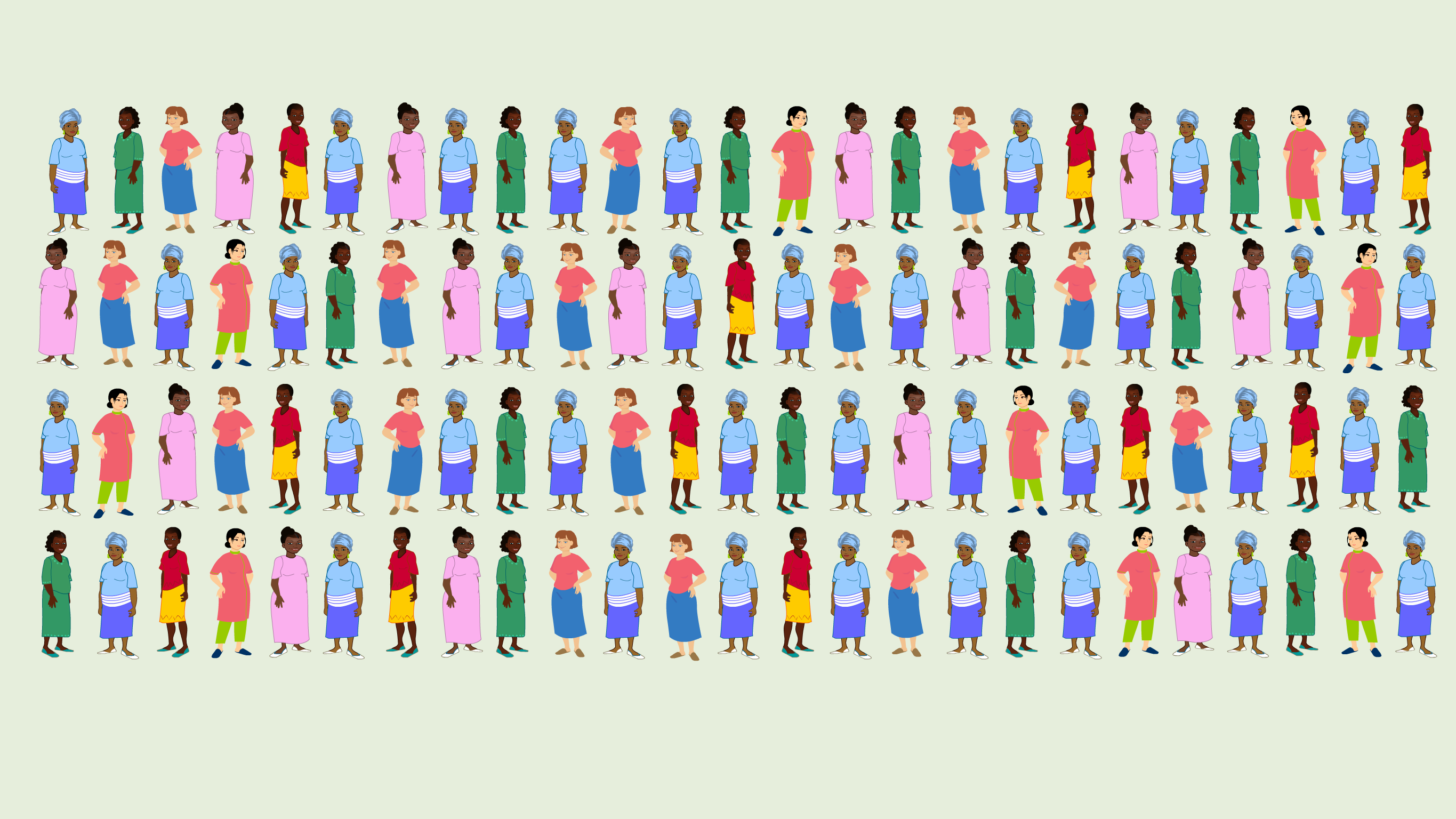
Young women who live in poor areas and are far away from hospitals are more likely to suffer from this problem.
It is even more common if girls are pressured to have children at a young age and live far away from the hospital.
Birth is more dangerous, for both mothers and babies, if the mother is too young.
What are the symptoms?
Women who have this condition usually suffer from leakage of urine, stool or both through their vagina, which cannot be controlled. The leakage may lead to an unpleasant body odor, skin rashes around the vaginal area, vaginal infections and difficulty doing daily activities.
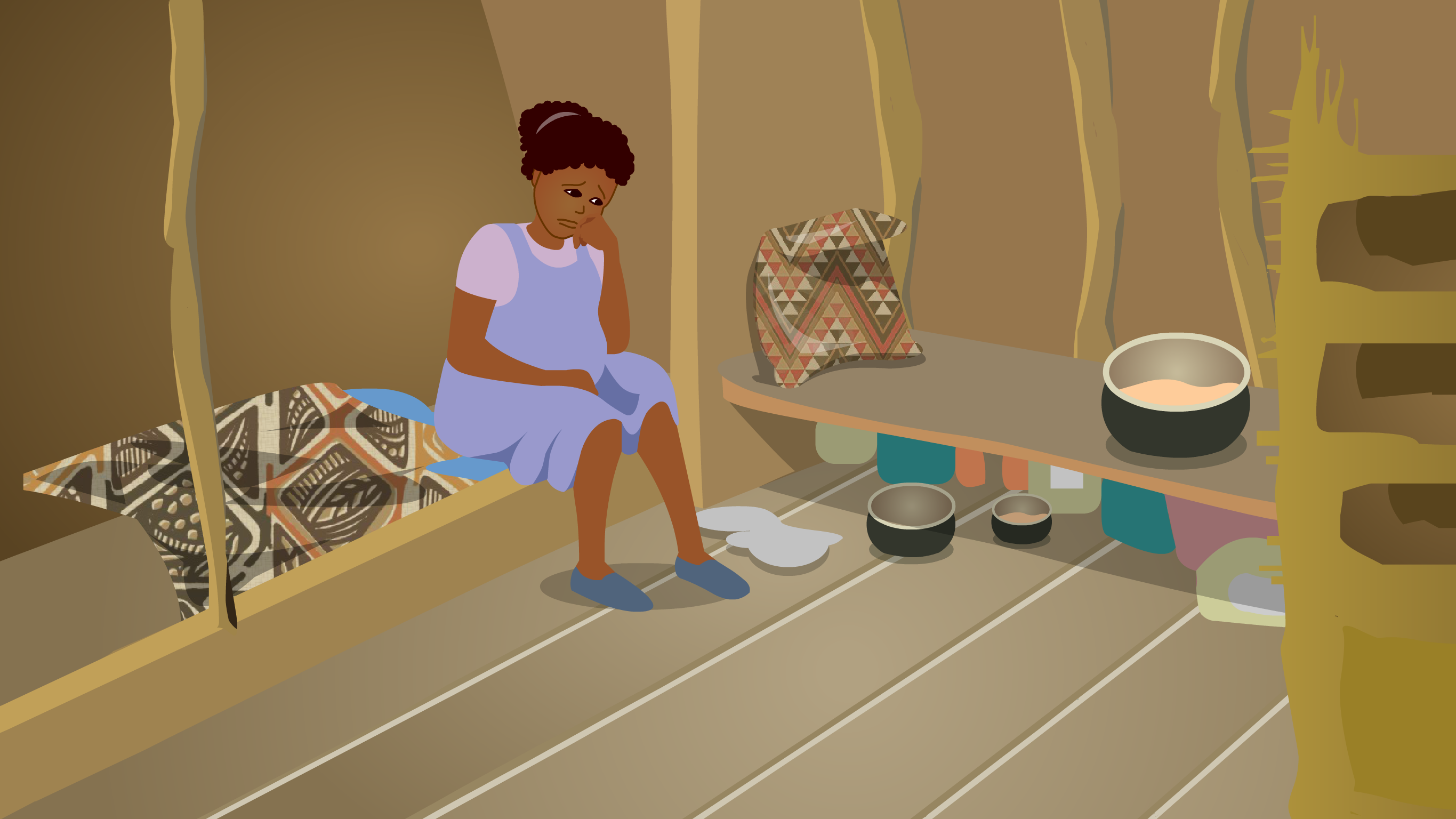
Affected women are often stigmatized by and isolated from their family and society. This can lead to emotional distress, depression and suicidal thoughts. Support from friends, family, the community and healthcare workers is very important.
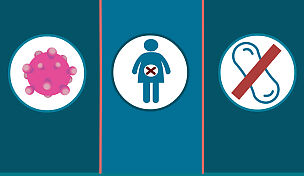
If left untreated, long-term issues, such as missing monthly periods and difficulty in getting pregnant, may arise. In most severe cases, fistula can lead to death.
How can it be treated or prevented?
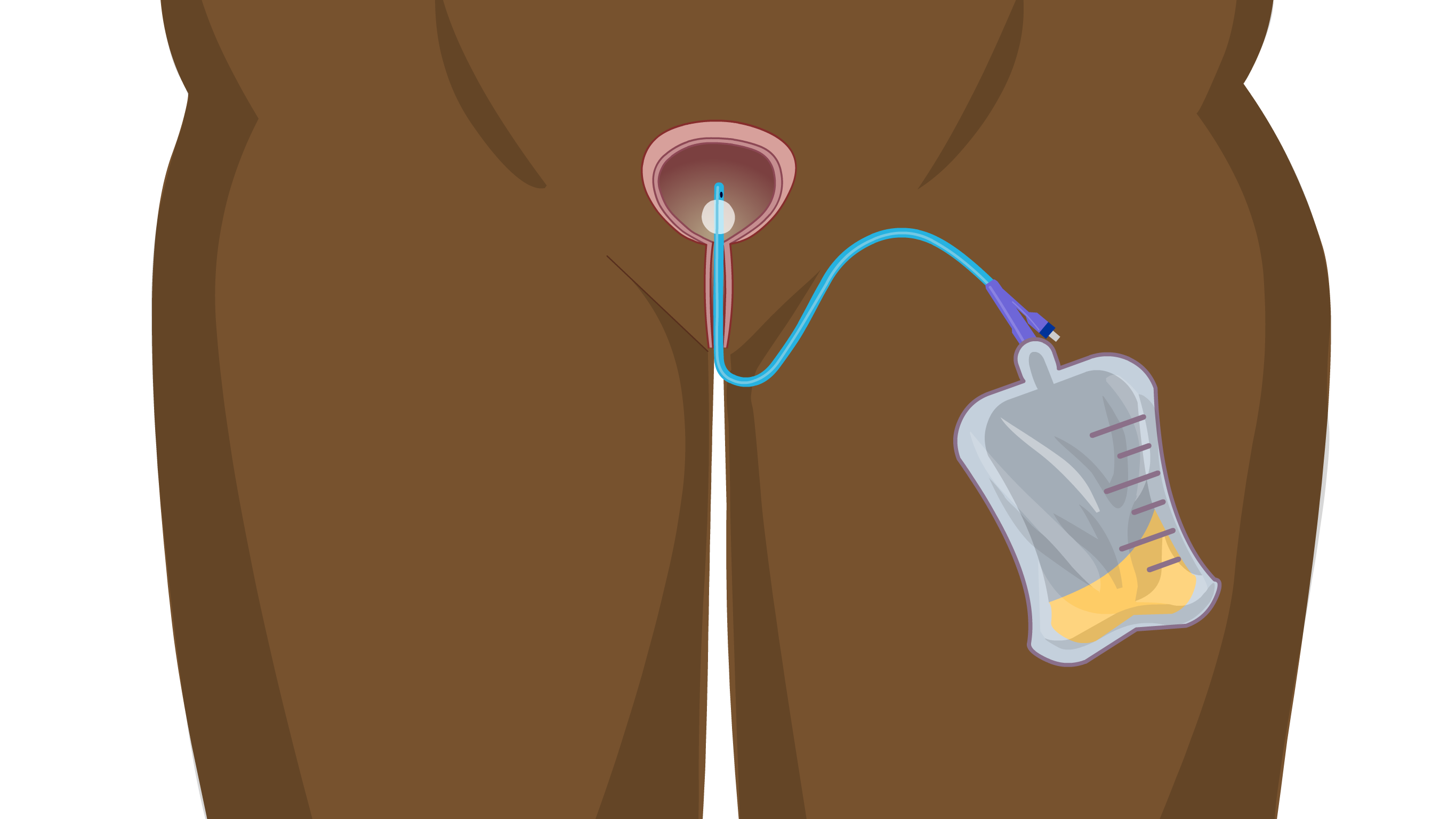
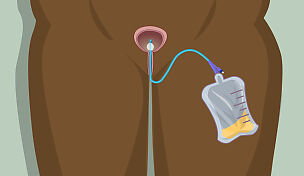
A fistula can be treated or prevented with medical help. A catheter (small tube) can be put into the bladder to give it a rest after difficult birth. This can stop a hole forming or help it to heal.
A healthcare worker will explain for how long this tube is needed, usually days or weeks.
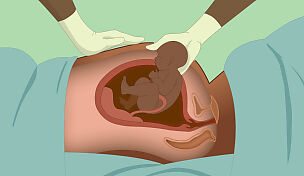
Sometimes, cesarean section will be recommended if the baby is stuck or labor is lasting for too long.
What should women do if they have symptoms?
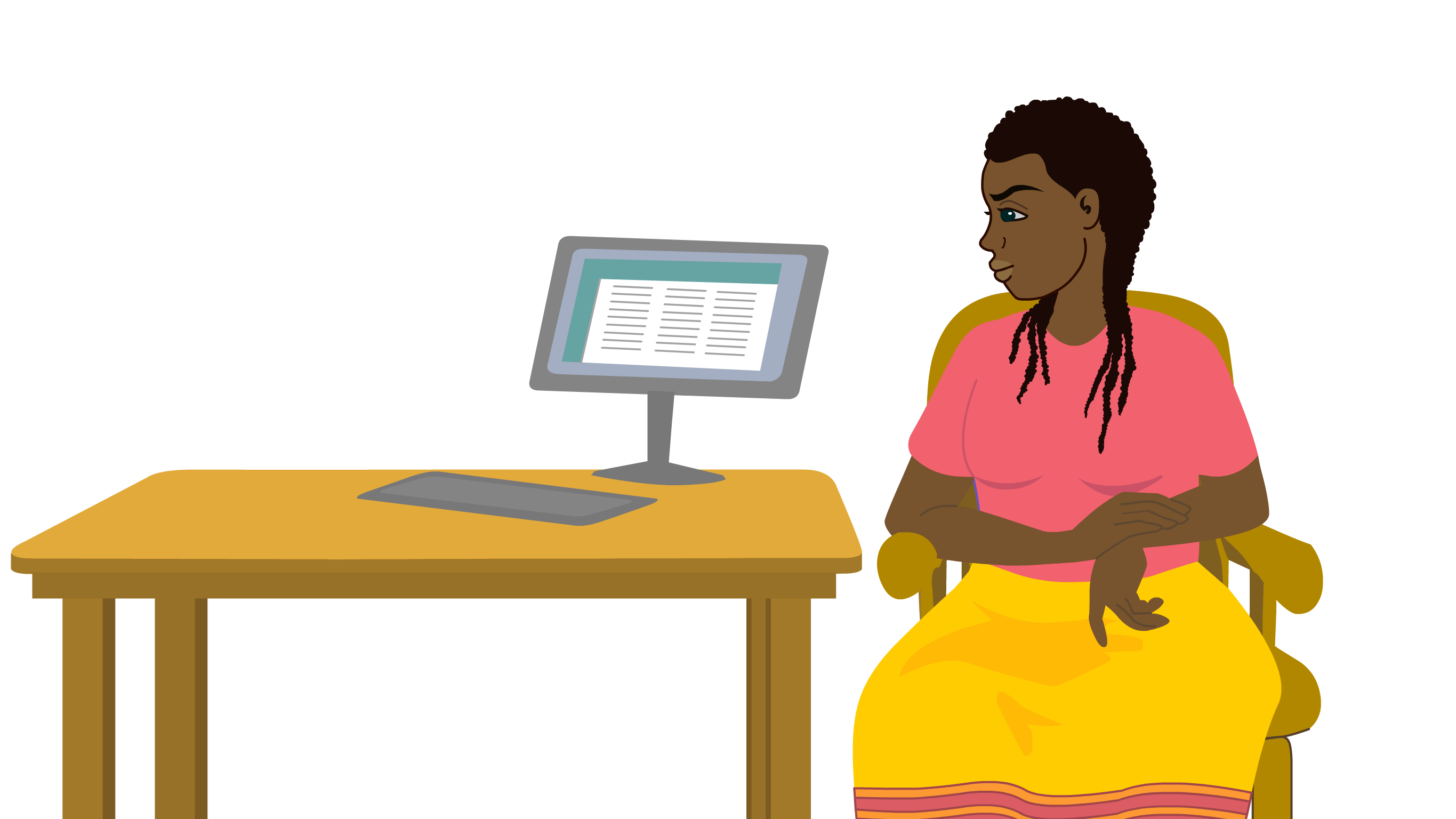
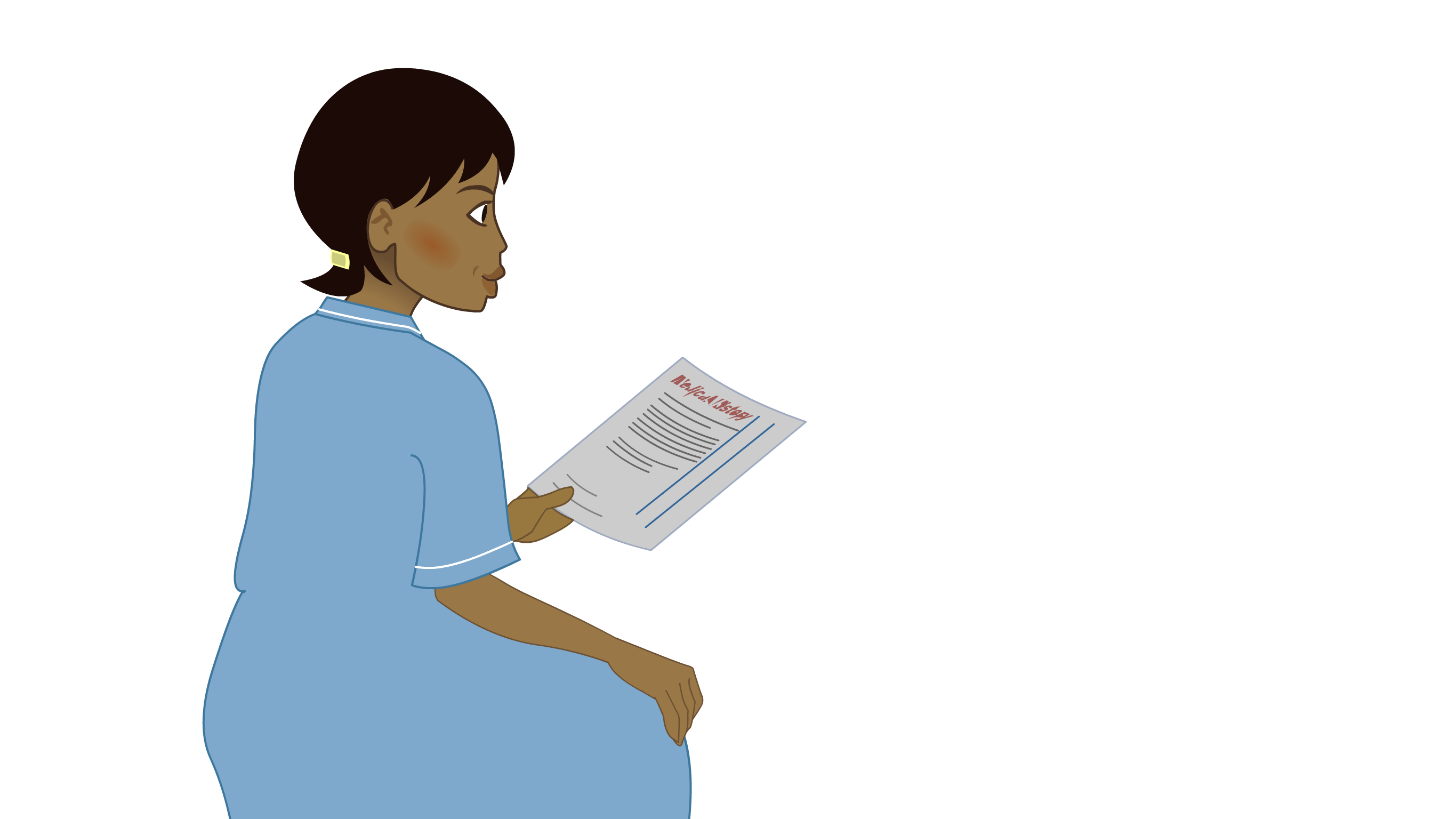
Obstetric fistula can be successfully treated if a woman seeks medical help early, ideally straight away when symptoms appear. An operation can be performed to close the hole. This needs to be done in the right hospital, with specially trained doctors.
Healthcare workers can advise on a healthy diet, exercises for the pelvic floor and recovering after surgery. They can also help with a woman's mental health, healing and getting back to a normal life.
Why do some women not seek help?
Unfortunately, many women do not seek treatment, often due to feelings of stigma and embarrassment, lack of support, unawareness of the availability of treatment, or because they do not have enough money to travel to get treatment.
How can it be prevented?
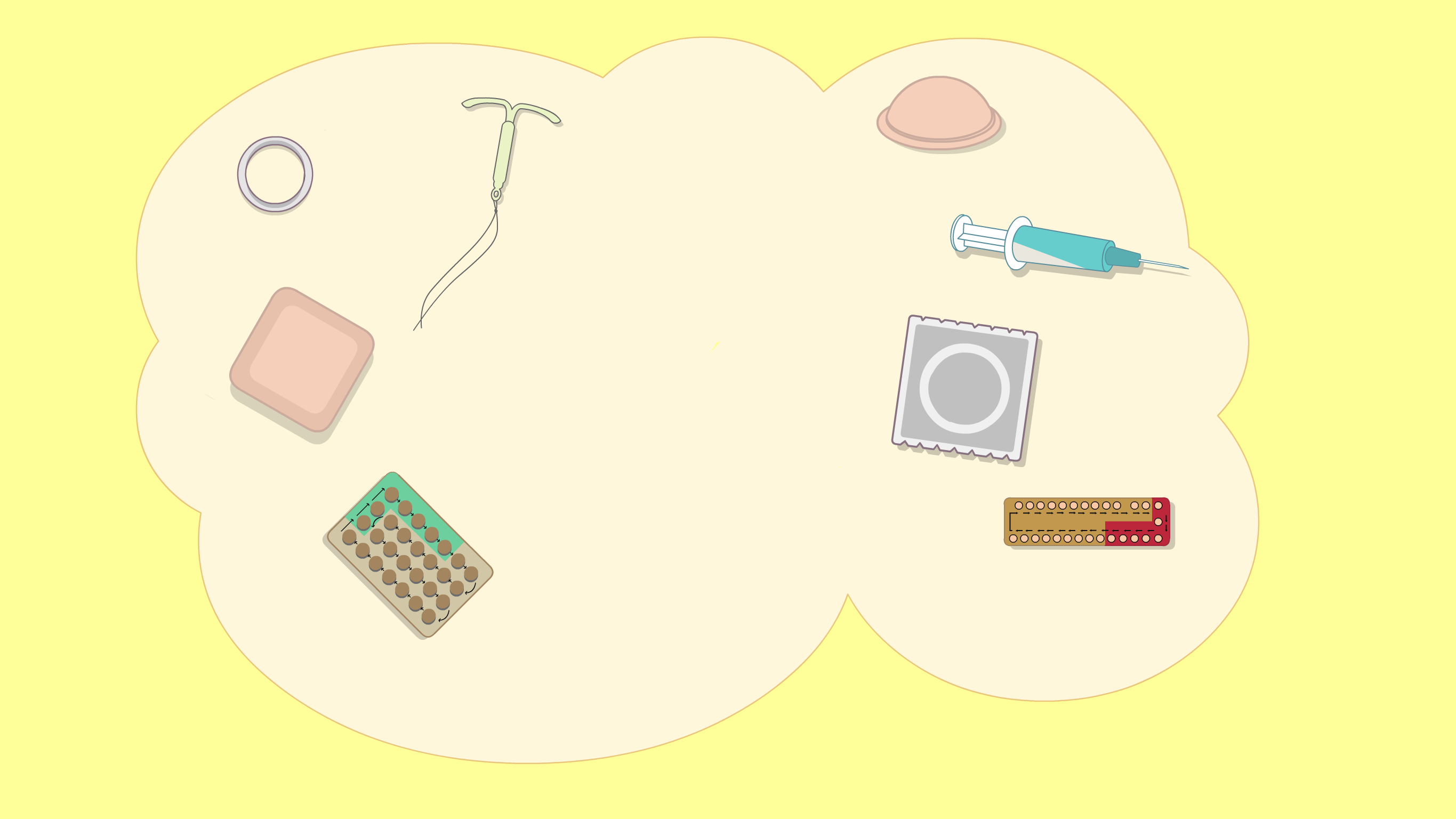
Women should avoid becoming pregnant and having children at an early age to allow the body to grow fully and be ready for pregnancy. This can be done by avoiding sex altogether or by using contraception (methods to prevent getting pregnant). There are many contraceptive options, including condoms, birth control pills, patches, vaginal rings, intrauterine devices and injectable birth control methods.
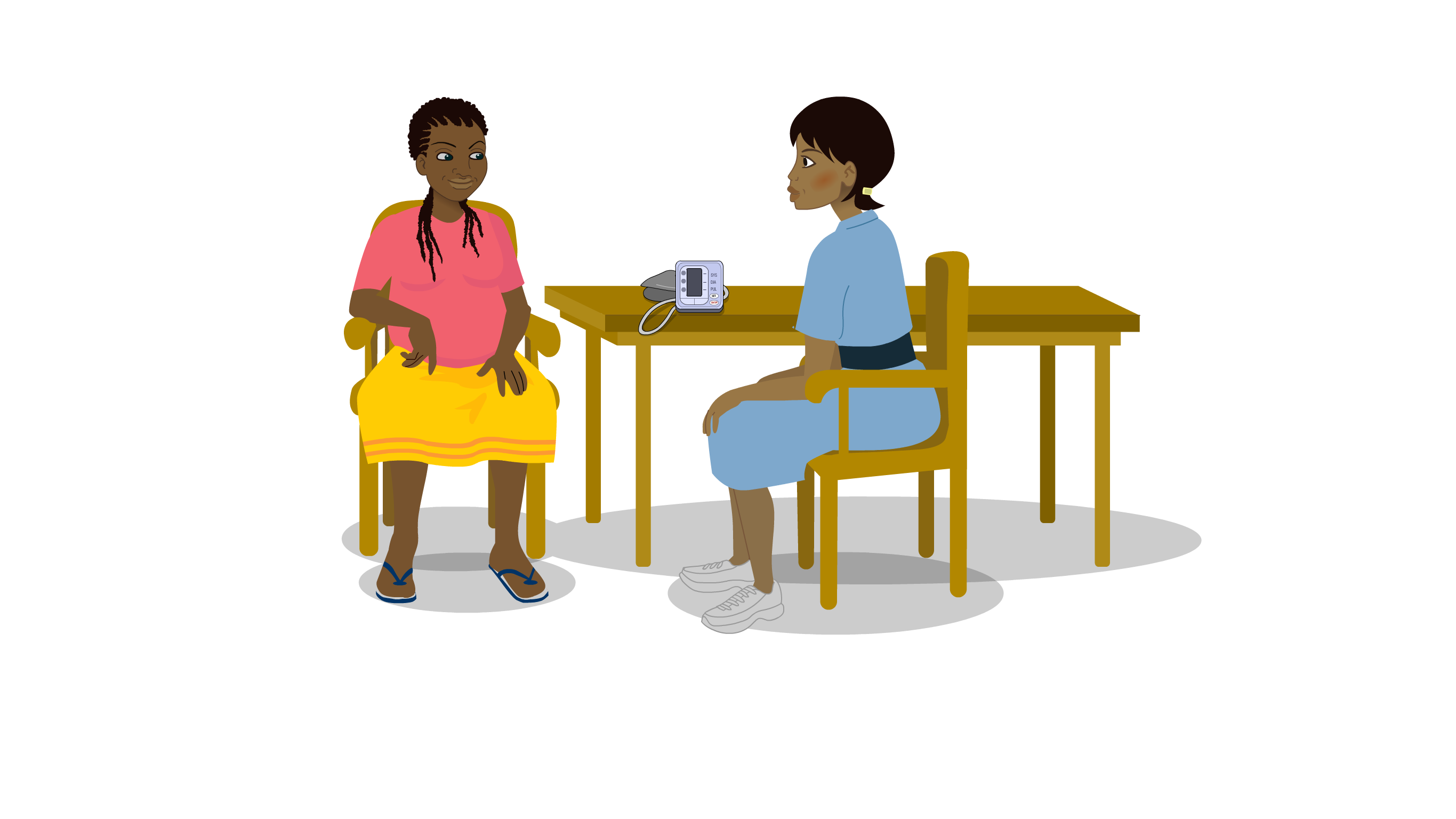
Pregnant women should visit a hospital for antenatal care as early as possible, ideally within the first 3 months of missing their period, and they should attend all the check-ups that are offered. The World Health Organization recommends that every pregnant woman has at least eight antenatal care visits throughout the pregnancy period. Going to antenatal clinics is important for proper monitoring and planning for delivery.
It is safer to have a baby in hospital if possible, particularly if the mother is young or a teenager.
When in labor, women should go to hospital straight away. This will give skilled health personnel, usually doctors, midwives and nurses, the best chance to ensure a safe delivery and minimize the chances of any complications that may lead to fistula formation. If help getting to the hospital is needed, women should ask relatives or friends nearby to assist with the fastest and safest means of travel, or, if available, an ambulance should be called.
Women who have been in labor for a long time should go straight away to a high-level hospital with resources for surgery (like Cesarean section), not a small clinic or a traditional birth attendant. At the hospital, healthcare professionals should advise on the need to place a urethral catheter (urine tubing). With the catheter in place, the bladder will be able to rest for a few days, to stop a fistula from forming.
Supporting others
In some countries around the world, fistula no longer happens. We need to talk about it more, so that it can be prevented everywhere. If you know someone with an obstetric fistula, please encourage them to visit a nearby hospital for support and advice.
Remember, fistula can be prevented by planning safe pregnancy and birth.
If you think you might have a fistula, see a healthcare worker. It is not your fault and it can be easily treated.
The authors of this OBSTETRIC FISTULA program are:
- Dr Aduragbemi Banke-Thomas, London School of Hygiene & Tropical Medicine, UK
- Dr Opeyemi Akinajo, College of Medicine, University of Lagos, Nigeria
- Dr Adedoyin Ogunyemi, College of Medicine, University of Lagos, Nigeria
- Dr Francis Muriithi, University of Birmingham, UK
- Professor Bosede Afolabi, College of Medicine, University of Lagos, Nigeria
The Welfare of Women program has been created under the General Editorship of Dr Kate Lightly, University of Liverpool, UK and is overseen by an expert International Editorial Board
The publishing reference for this program is: DOI 10.3843/GLOWM.w10095
The Welfare of Women information program is an attempt to provide women everywhere with access to reliable information about key health issues that may be relevant to them. Information is offered at three separate levels which women may select according to their preferences; firstly, short video animations with voice commentary, secondly, more detailed text-based descriptions, and thirdly, links to recommended further reading. With the animated videos, women can also select the images that they feel most comfortable in viewing from a short range of very generalized and non-specific ethnicity options. Because of the special programming used, both the videos and the text information can – when authorized – be translated into any language in a simple and rapid manner.
Recommended links for more comprehensive and detailed reading
The following websites provide more comprehensive and extensive information on this topic, which is both reliable and strongly recommended for readers who want to learn more than the details provided above:
WHO. Obstetric Fistula. 2018
https://www.who.int/news-room/facts-in-pictures/detail/10-facts-on-obstetric-fistula
Cleveland Clinic
https://my.clevelandclinic.org/health/diseases/22079-vaginal-fistula
ICS Committees
https://www.ics.org/committees/developingworld/publicawareness/obstetricfistulaanintroduction
United Nations Population Fund (UNFPA)
https://www.unfpa.org/obstetric-fistula
Resources the author(s) used in preparing this guidance
WHO. Obstetric Fistula. 2018
http://www.who.int/news-room/facts-in-pictures/detail/10-facts-on-obstetric-fistula
WHO recommendations on antenatal care for a positive pregnancy experience. 2016
https://www.who.int/publications-detail-redirect/9789241549912
