
Diet and nutrition in pregnancy
What you should eat during pregnancy
An educational
initiative
supported by

Written by experienced doctors, midwives and other medical professionals –
and approved by a specialist Editorial Board
Select Avatar


Select Language
We plan to provide other language versions as soon as funding is available
Enhancing the Welfare of Women
Expert Health Information for Women







The authors of this DIET AND NUTRITION IN PREGNANCY program are:
- Dr Alice Norah Ladur
Liverpool School of Hygeine and Tropical Medicine, UK - Dr Enid Glorious Tumweheire
Baylor College of Medicine Children's Foundation, Uganda
The Welfare of Women program has been created under the General Editorship of Dr Kate Lightly, University of Liverpool, UK and is overseen by an expert International Editorial Board
The cost of producing this resource has been partly funded by an educational grant from GSK
Thank you for watching this Welfare of Women video. We would welcome your views and feedback. Please complete this short questionnaire.
Why is healthy eating important in pregnancy?
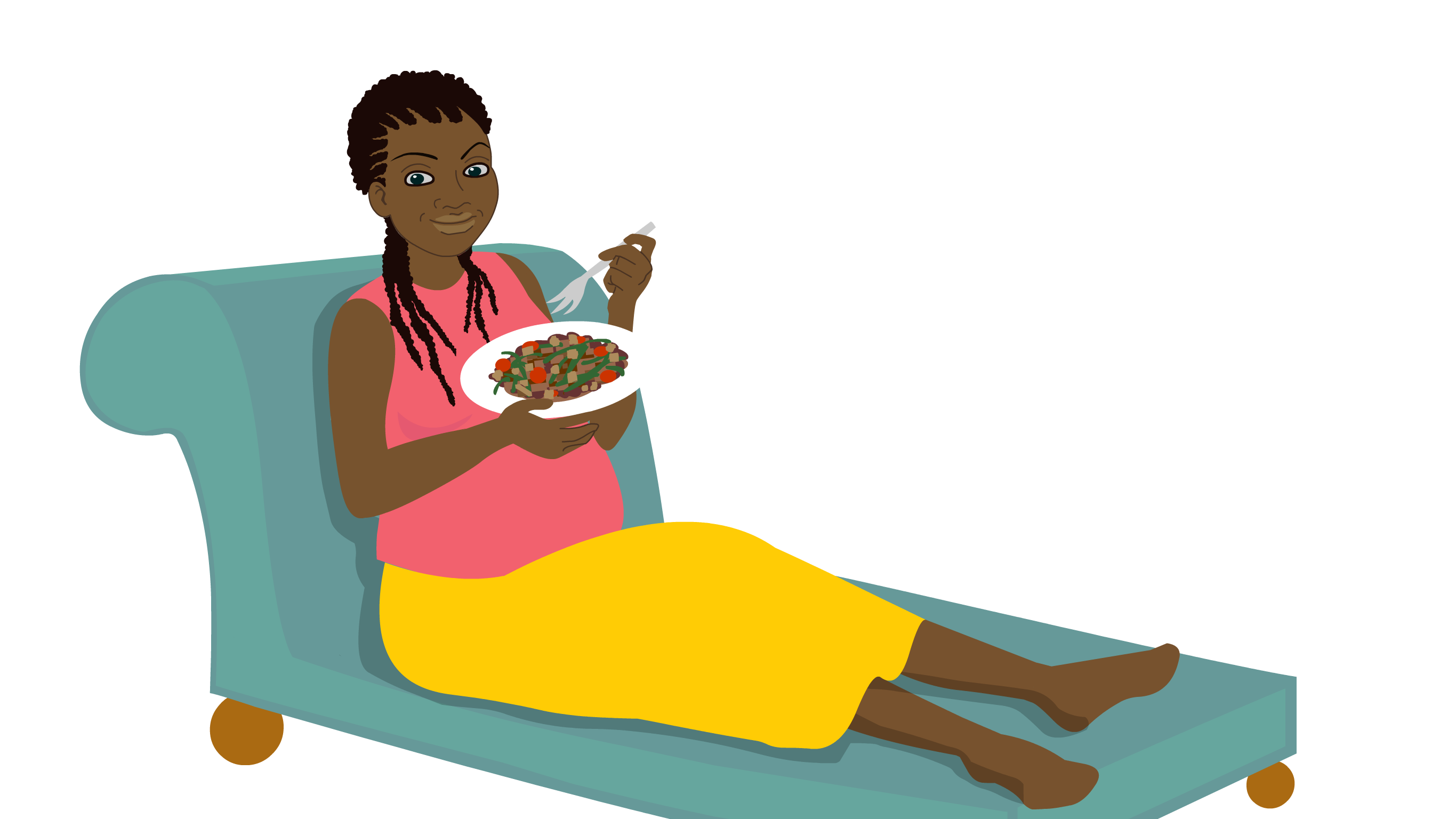
Eating well during pregnancy is one of the best things you can do for yourself and your baby. It is not about eating 'twice as much' food, but about eating a variety of healthy, local foods every day. When you choose foods that are full of energy, protein, vitamins and minerals, you give your baby the right building blocks to grow strong. Healthy eating also helps you stay strong and feel less tired. It can prevent common problems like constipation and anemia (which happens when your blood is too weak to carry enough oxygen through your body).
What food should I eat during pregnancy?
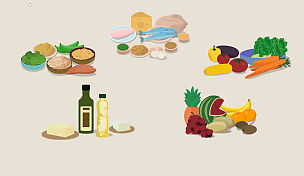
You should try to include foods from each of the following groups:
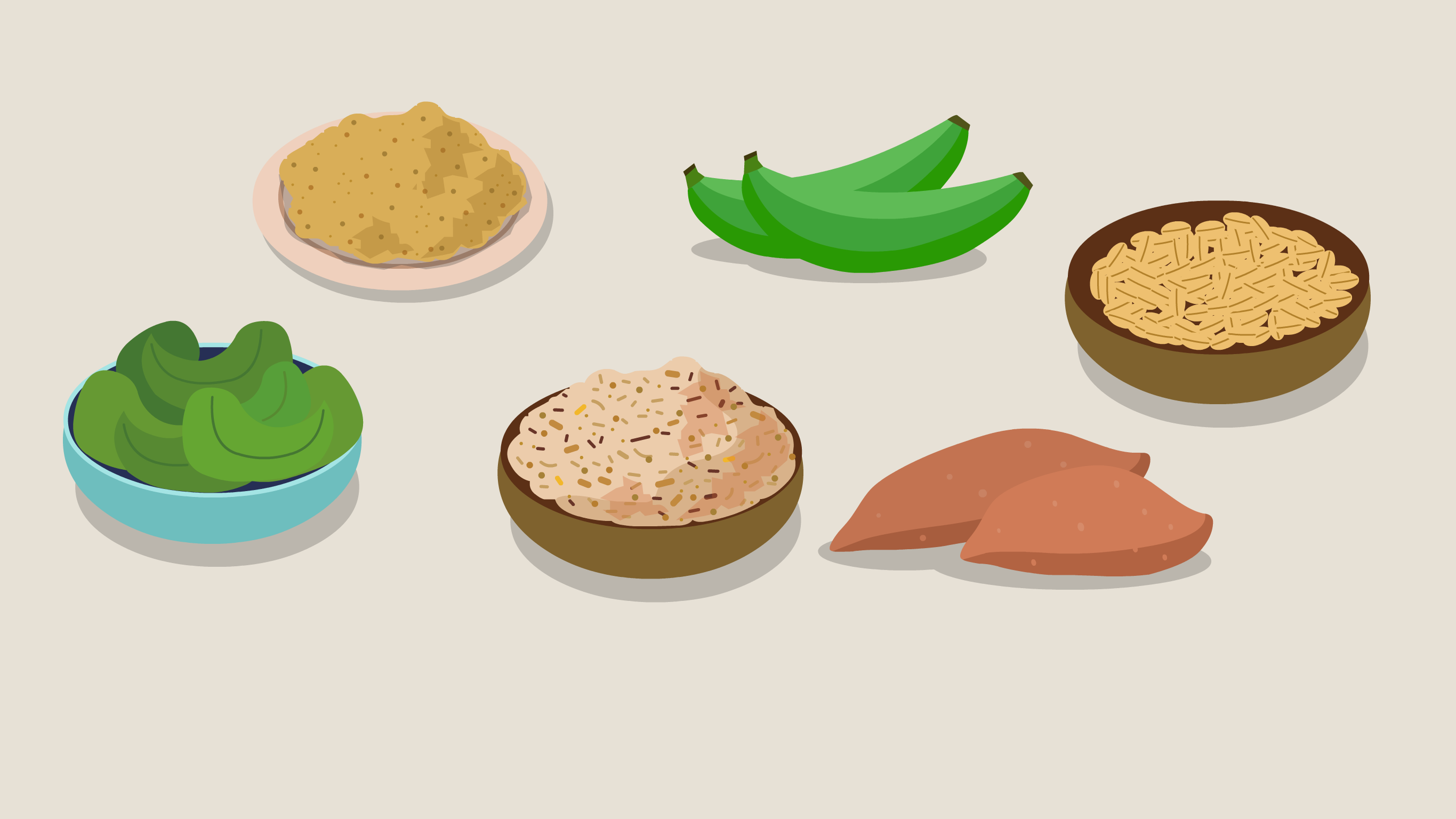
Carbohydrates (cereals, tubers and roots)
Foods in this group provide your main source of energy and help prevent tiredness and weakness during pregnancy.
Examples include rice, maize, sorghum, millet, wheat, plantain, taro, bananas, bread, pasta, cassava, potatoes and yams.
Whenever possible, choose whole or unrefined options (such as whole grains), as they provide more nutrients and help digestion.
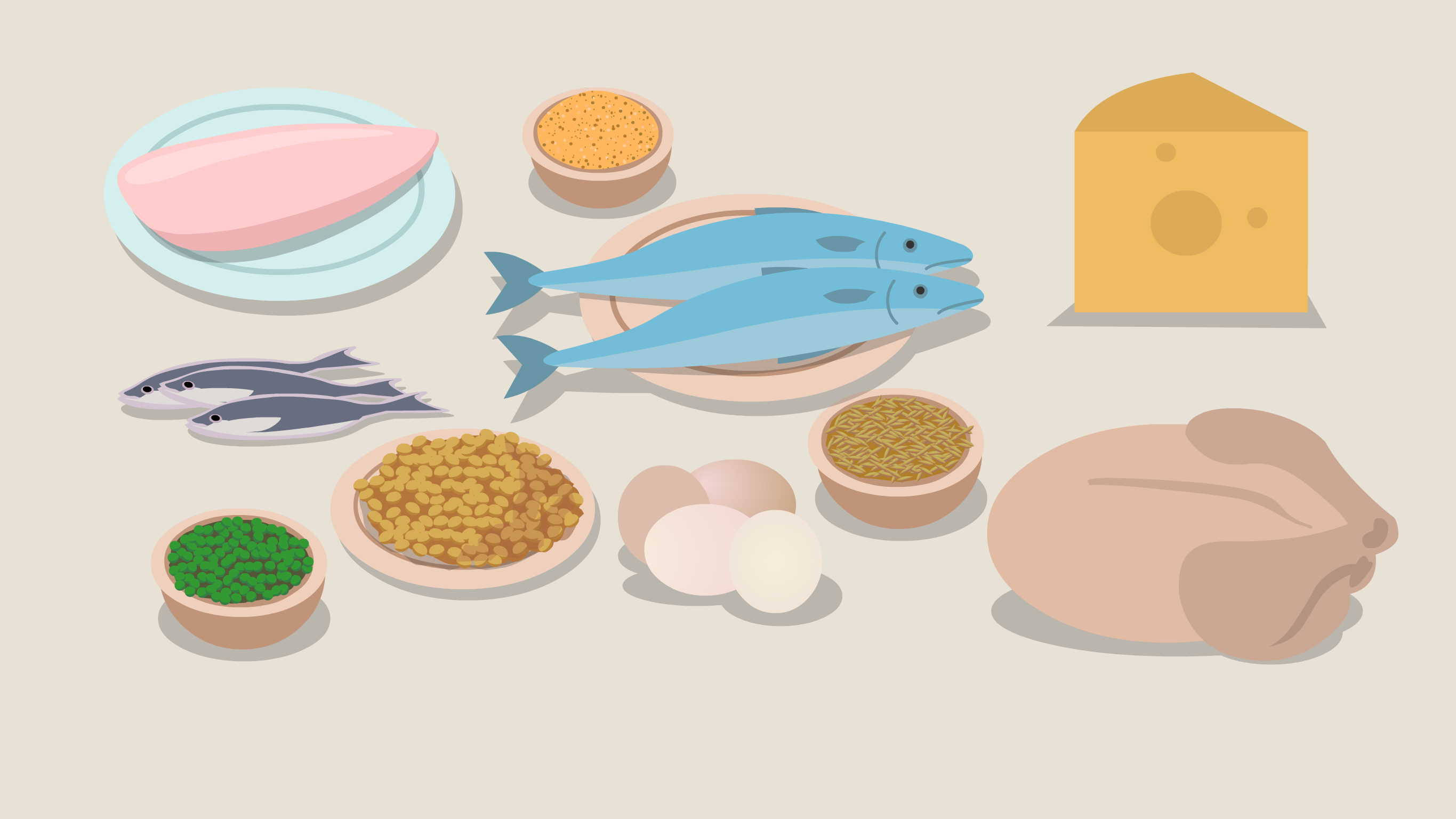
Legumes and animal products (protein-rich foods)
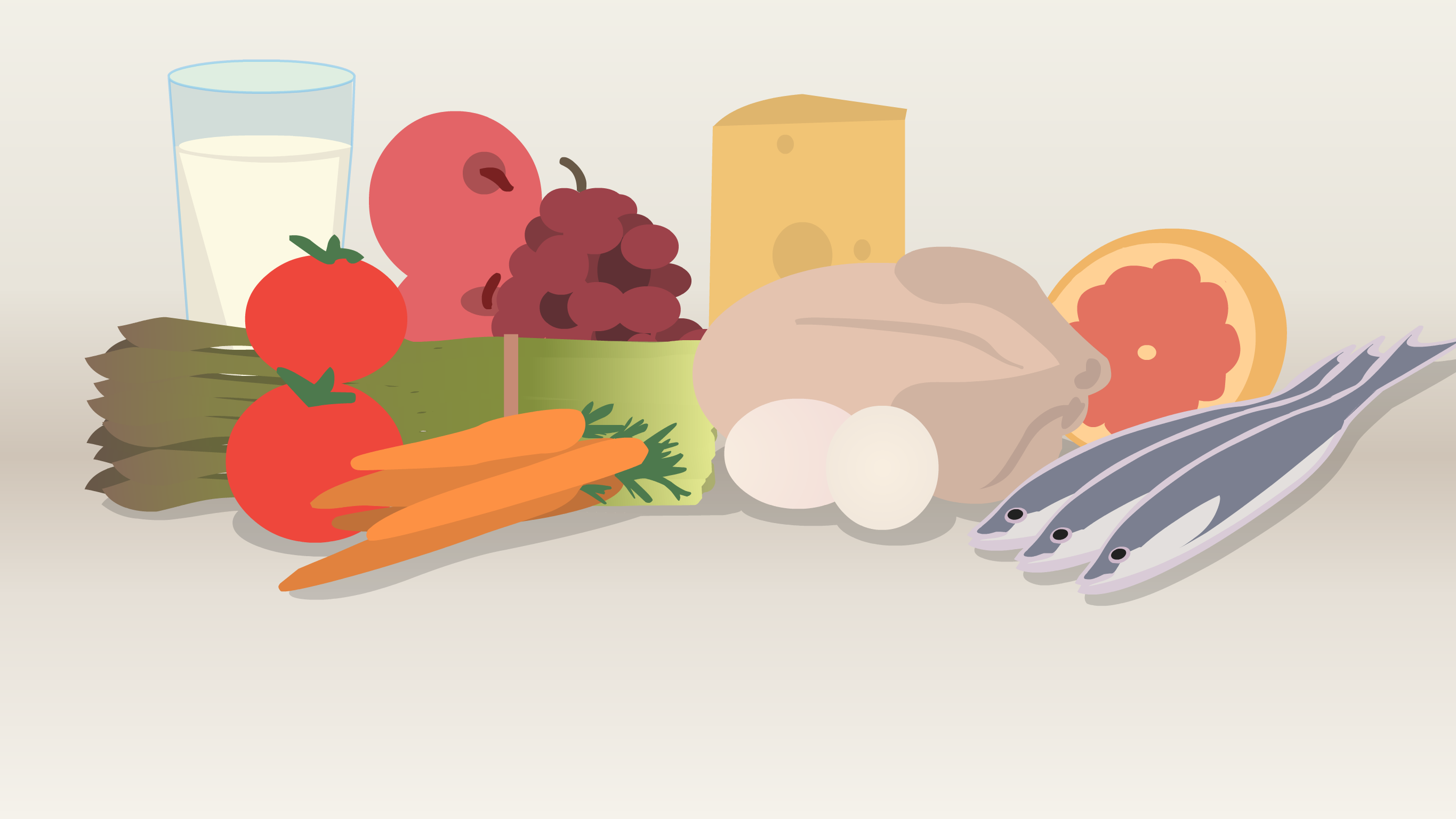
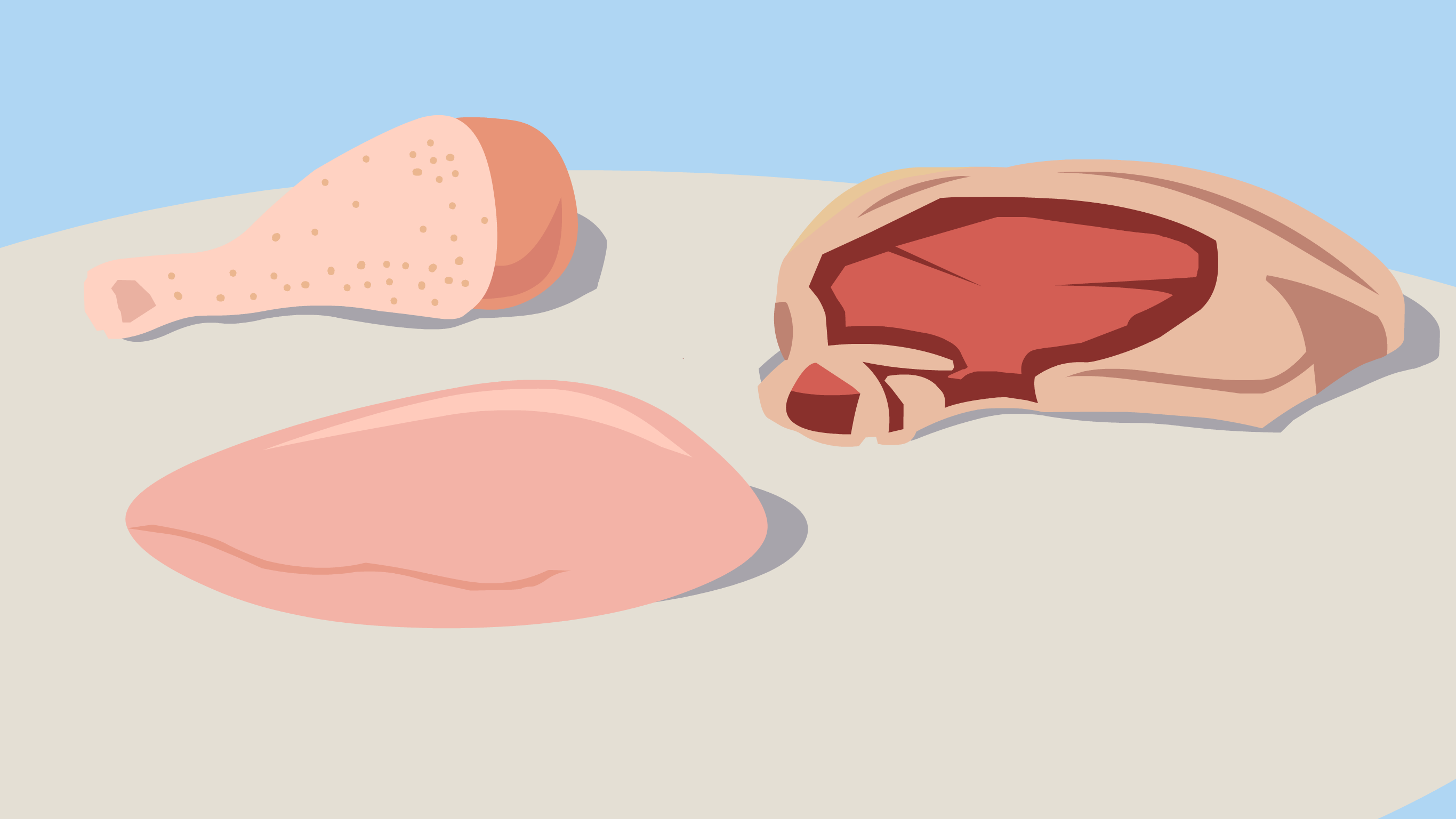
These foods help your baby grow properly in the womb and support the development of muscles, organs and tissues. They also help maintain your own strength. Examples include beans, peas, groundnuts, simsim/sesame, meat, eggs, fish, milk and chicken.
Try to eat a variety of these foods each day. If you do not eat meat, combining plant proteins (such as beans and grains) can still provide good nutrition.
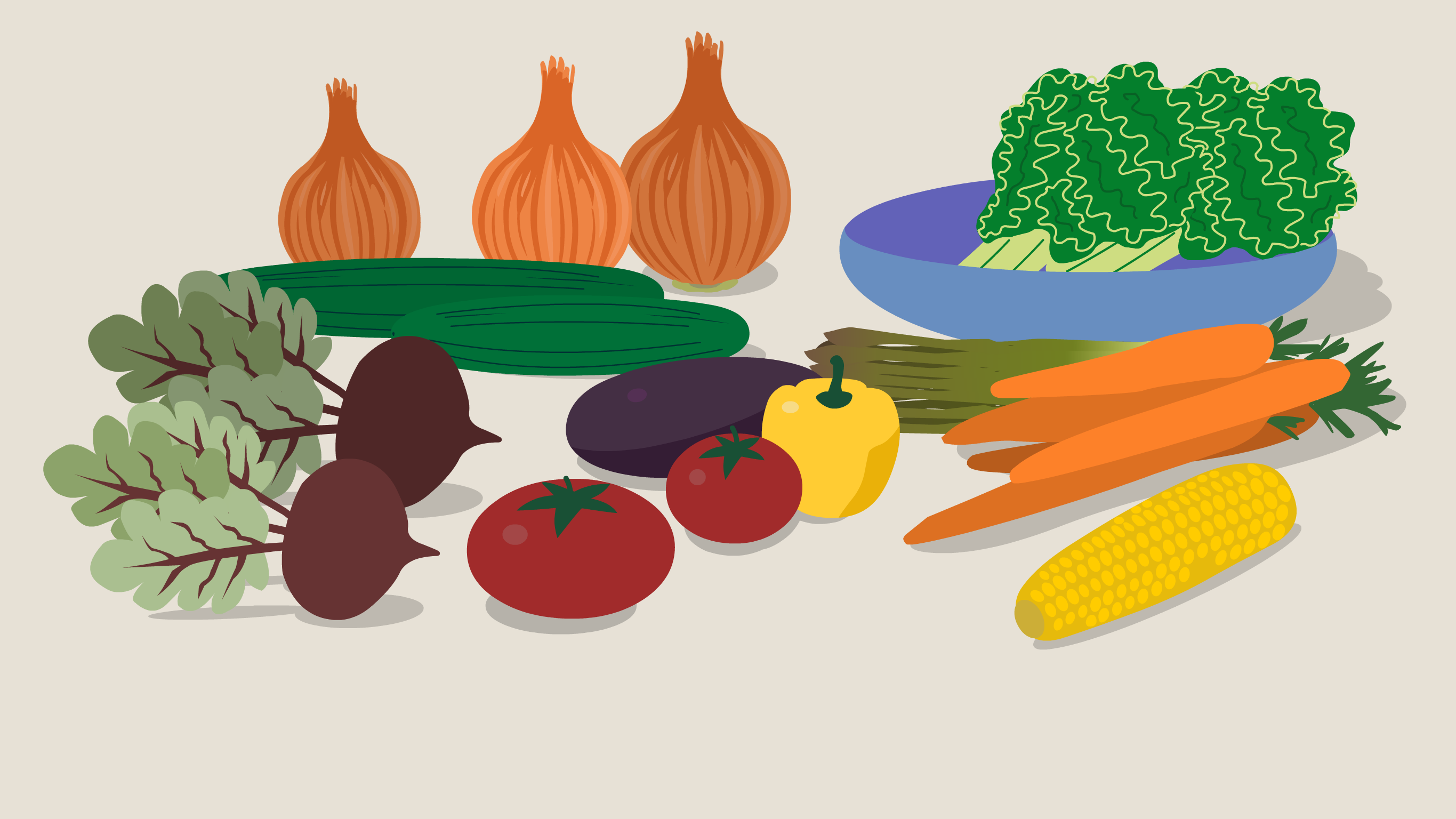
Vegetables
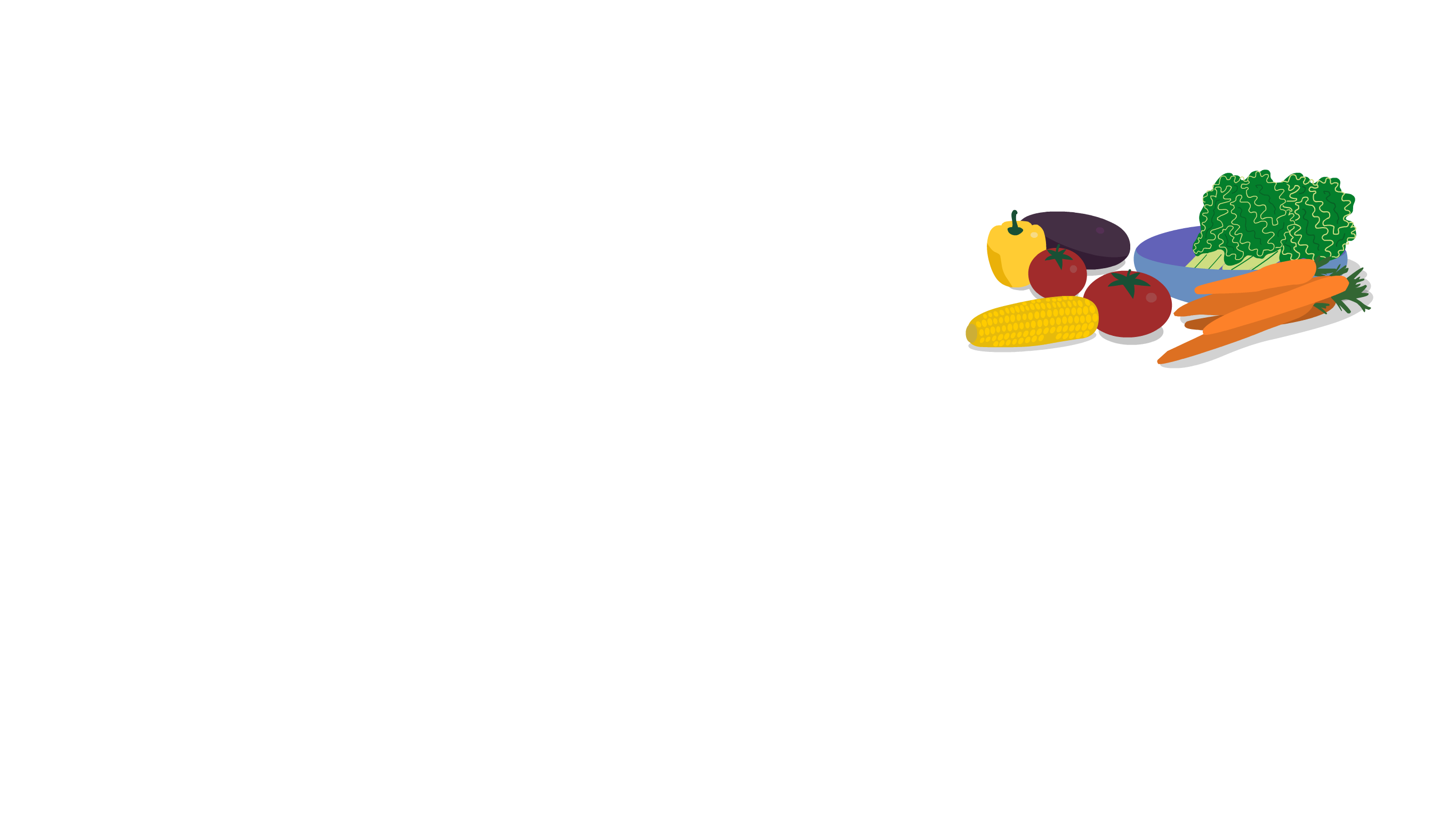
Vegetables are rich in vitamins and minerals that help prevent constipation and anemia, and support your baby’s healthy development, including reducing the risk of some birth defects. They also support your immune system.
Examples include dark leafy vegetables, carrots, tomatoes, pumpkins, eggplants, peppers, cabbages, beetroots, turnips, garden eggs, onions and garlic.
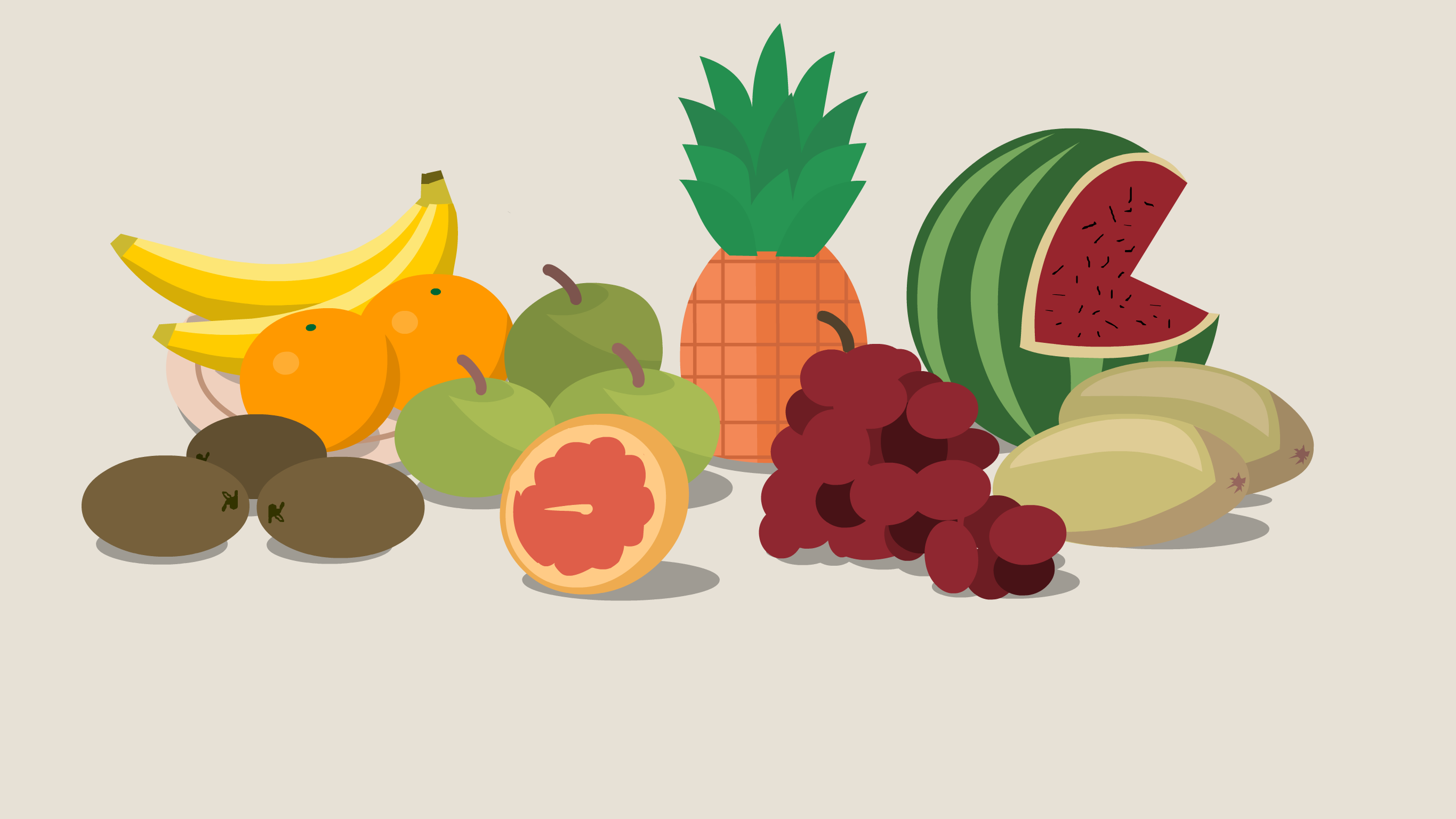
Fruit
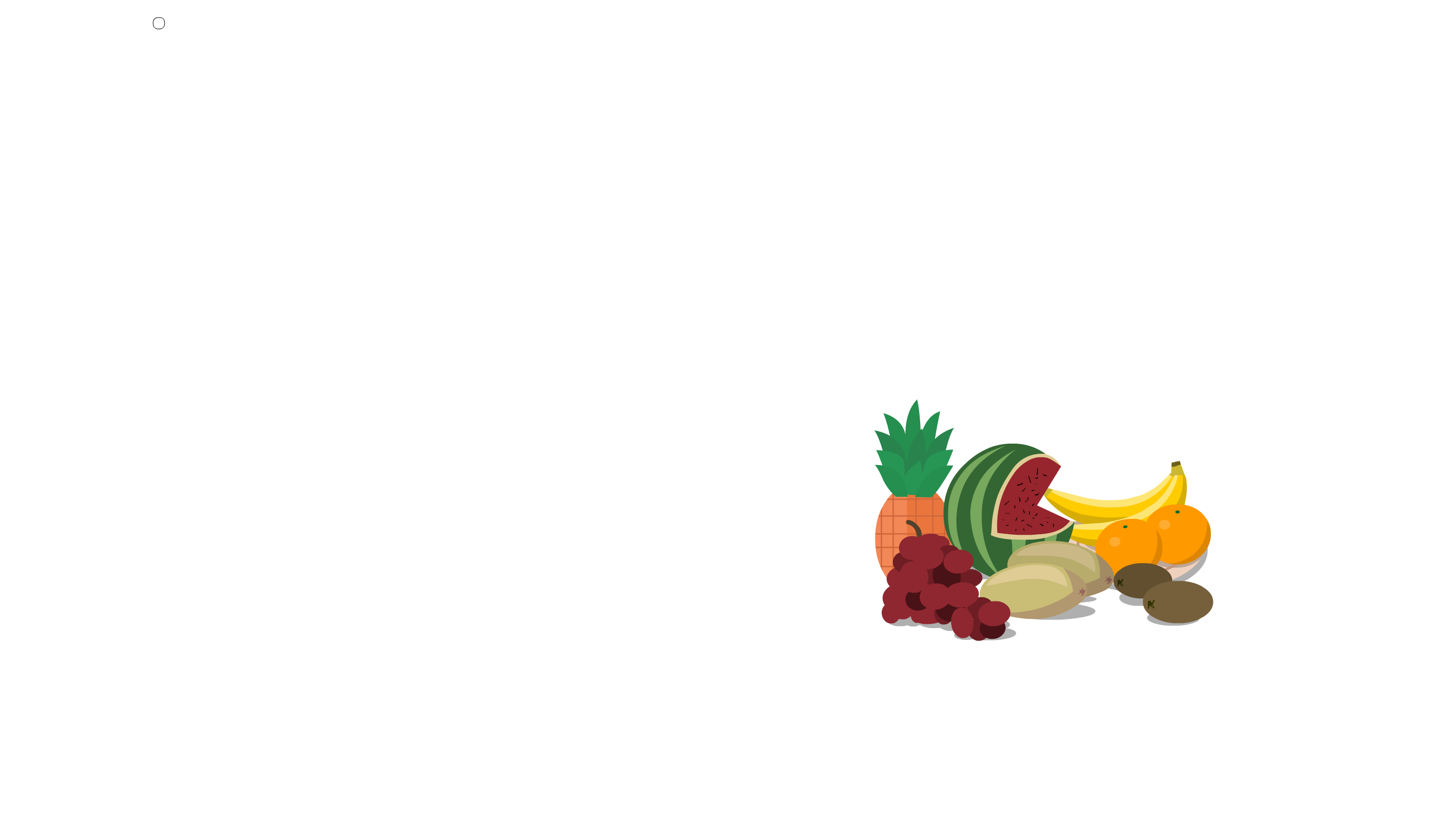
Fruits provide important vitamins and help protect you from illness. They also support digestion and help your body heal.
Examples of fruit include bananas, mangoes, pawpaws, oranges, passion fruits, avocados, apples, watermelons, pineapples, tangerines, berries, guavas and lemons.
Fresh fruits are usually better than juices, as they contain more fiber.
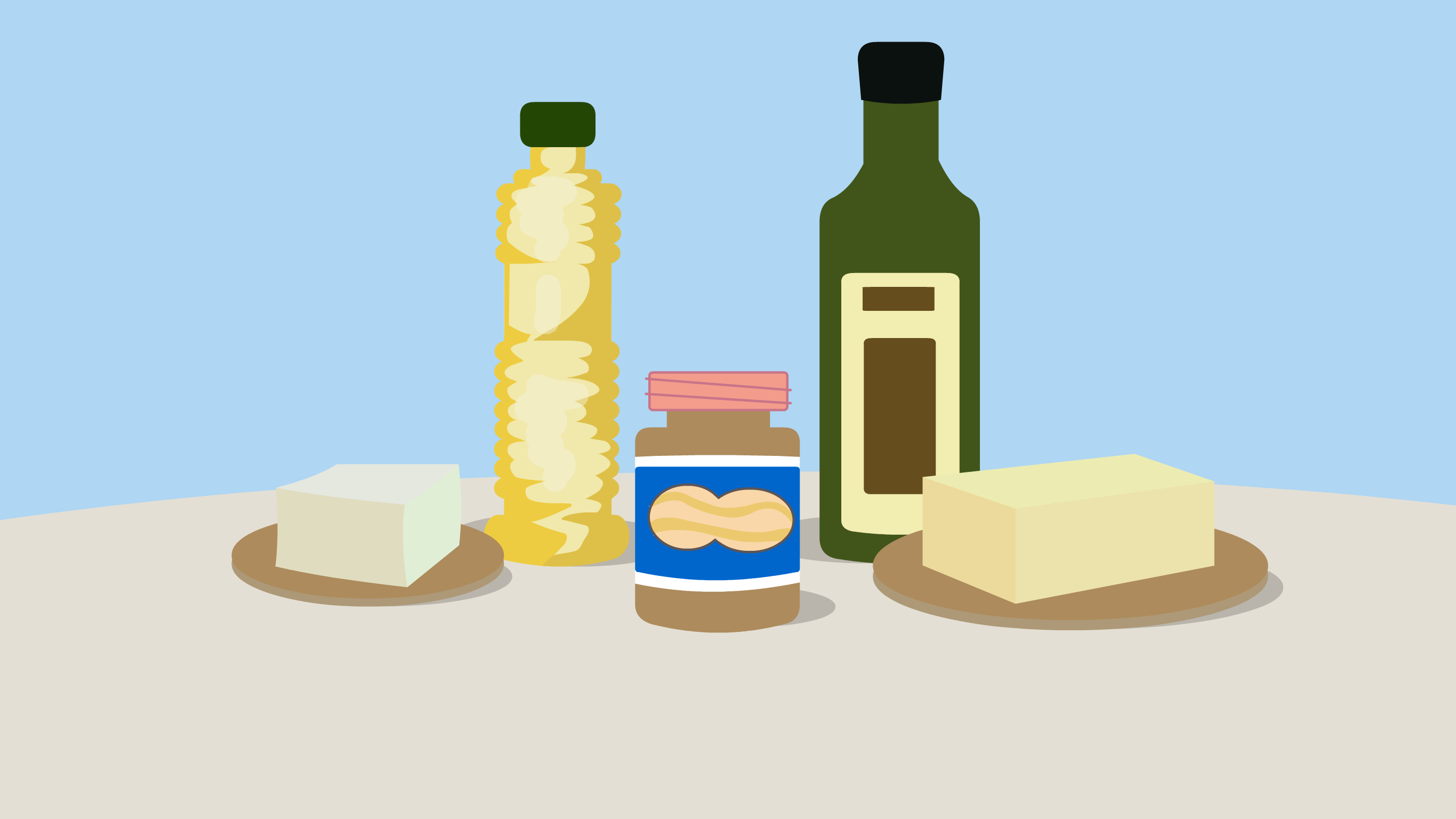
Fats and oils
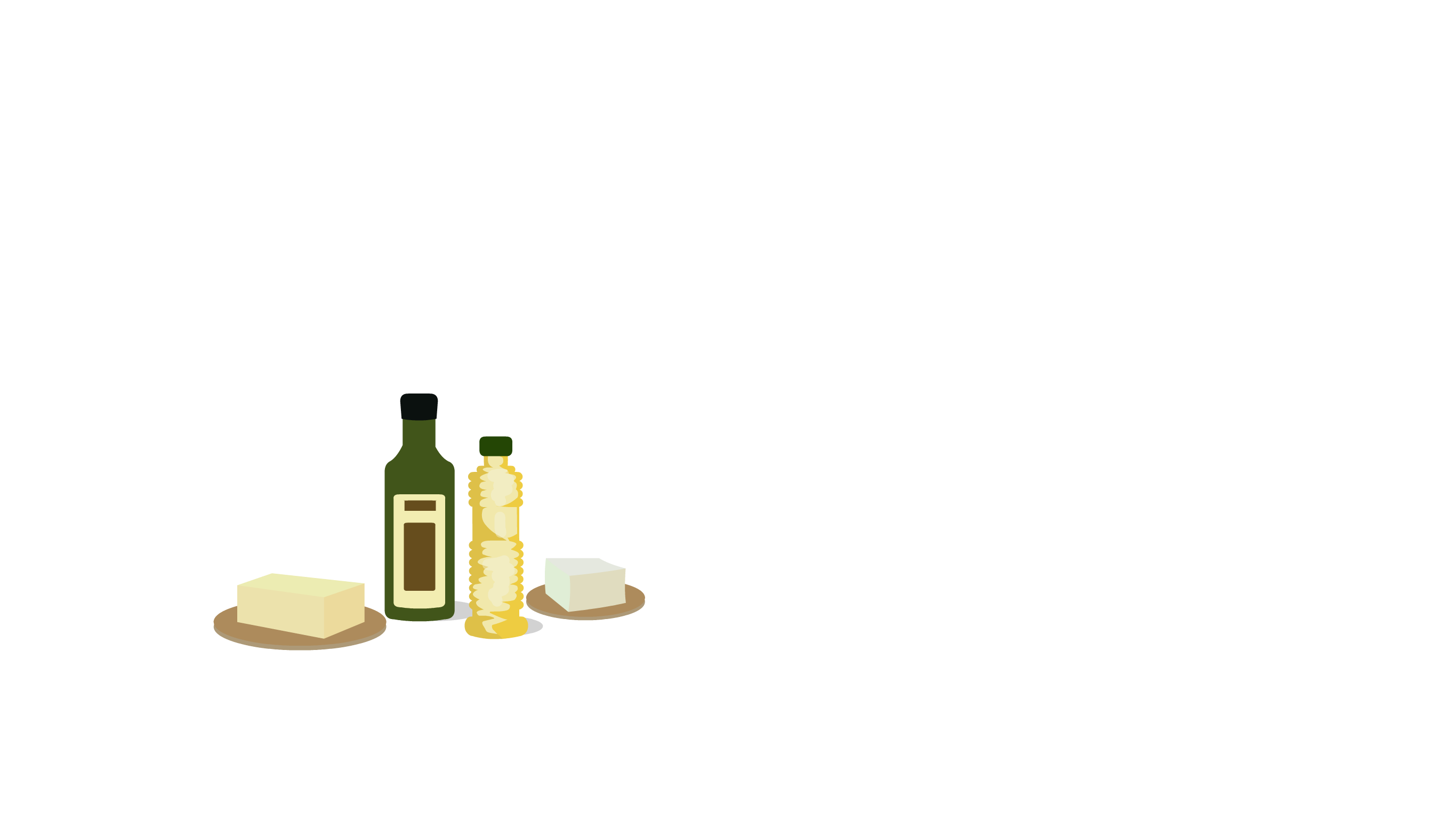
Oil and fat added to vegetables and some main foods provide extra energy and help your body absorb certain vitamins. They can help prevent you from feeling tired or weak.
Sources include vegetable oil, oil seeds, butter, ghee, peanut butter and margarine.
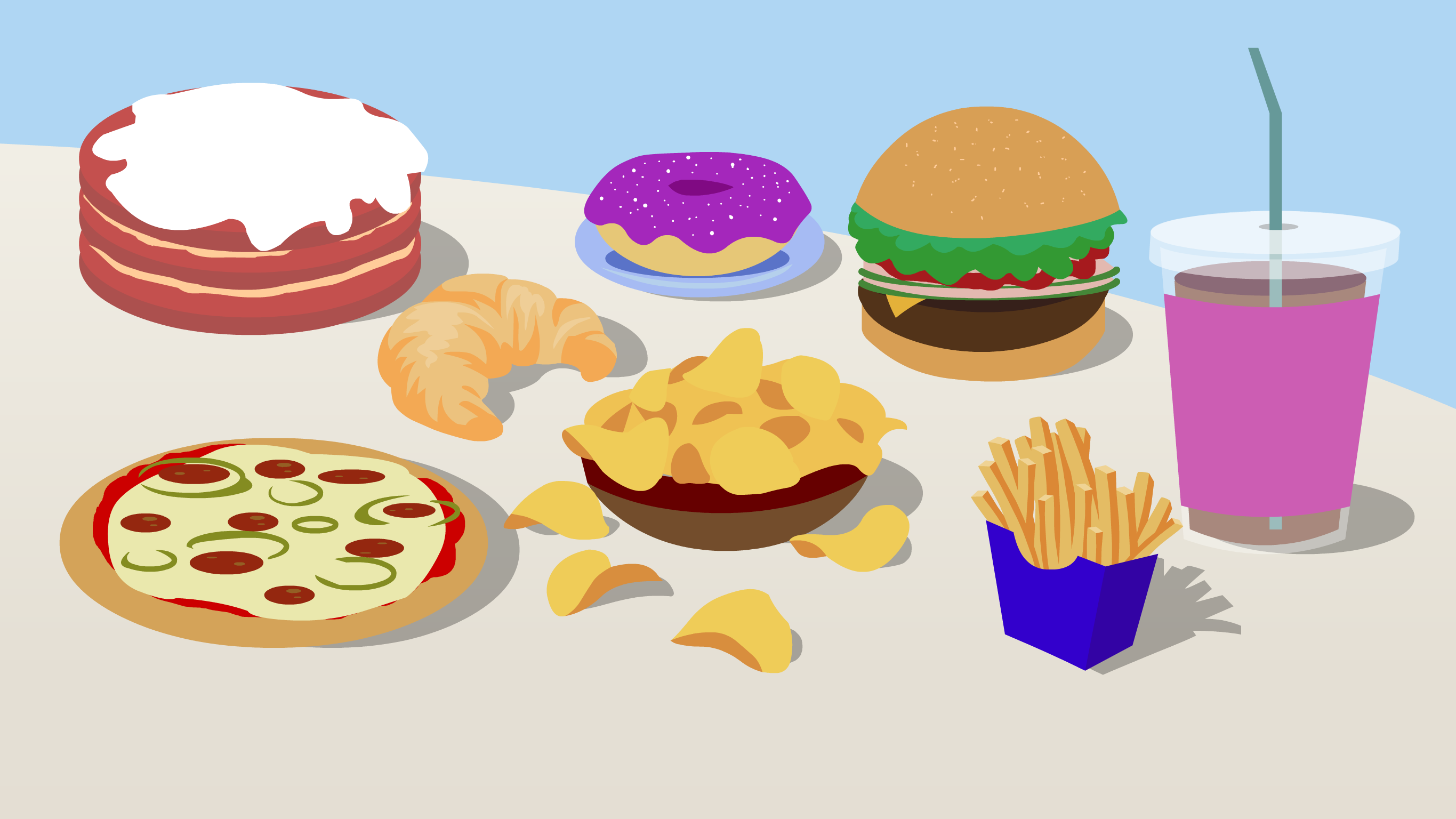
Use fats and oils in moderate amounts. Too much can be unhealthy but small amounts are important for a balanced diet.
Water
Drink plenty of water during your pregnancy to keep hydrated and help prevent constipation, especially in the last 3 months. Aim to drink at least 6–8 glasses of water a day, and more if you are thirsty, active or in a hot climate. If you get your drinking water from a private supply such as a well, borehole, spring or tank, you should boil water thoroughly and store in clean containers.
Salt
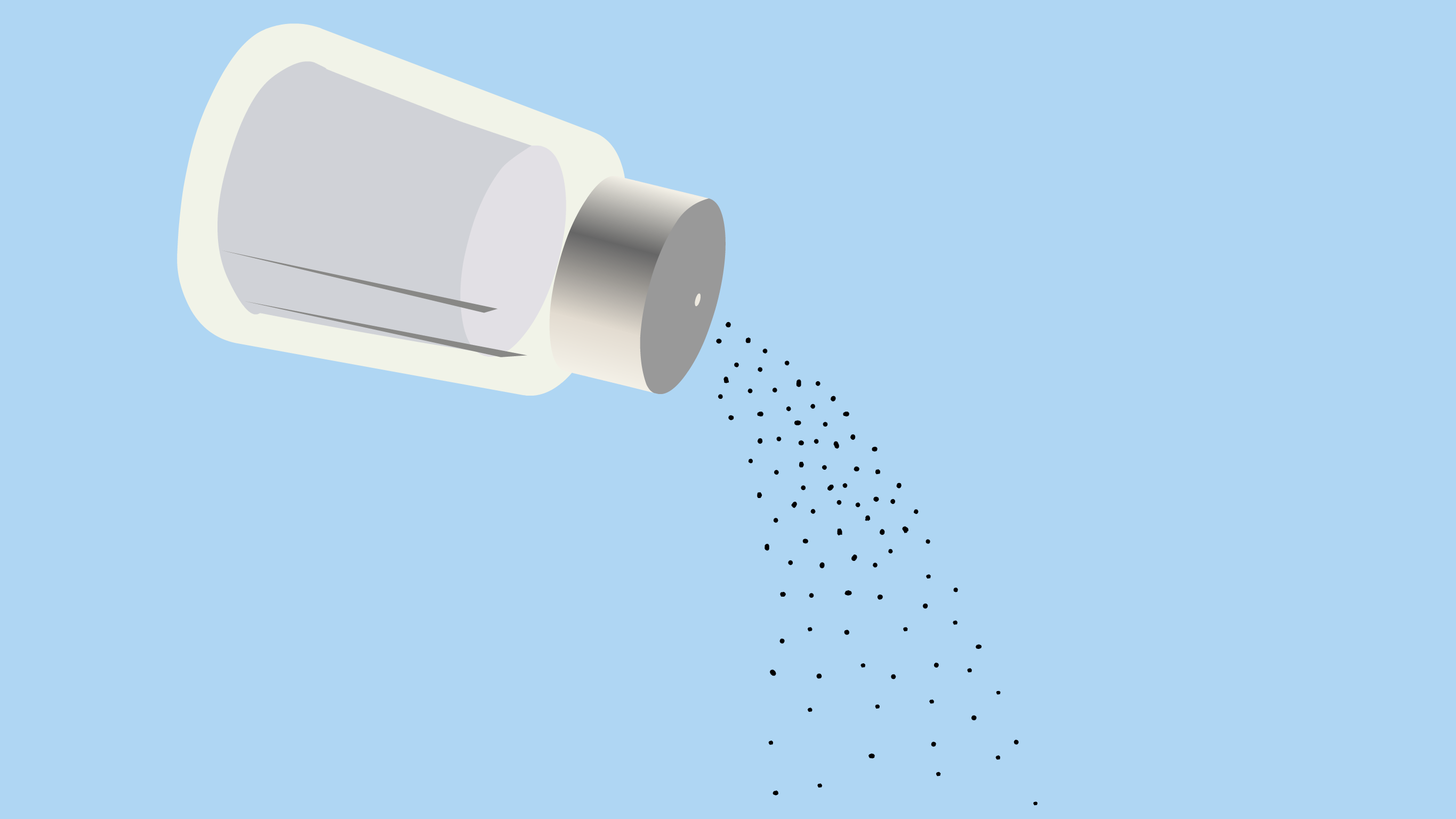
It is a good idea to use iodized salt and to consume salt in moderation. Eating too much salt can contribute to high blood pressure. High blood pressure in pregnancy can also be caused by other conditions and should be monitored by a healthcare worker.
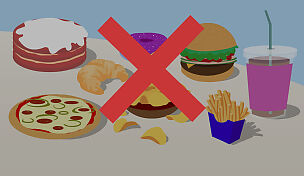
What should I avoid eating during pregnancy?
You should try to avoid consuming the following:
- Raw and undercooked meat
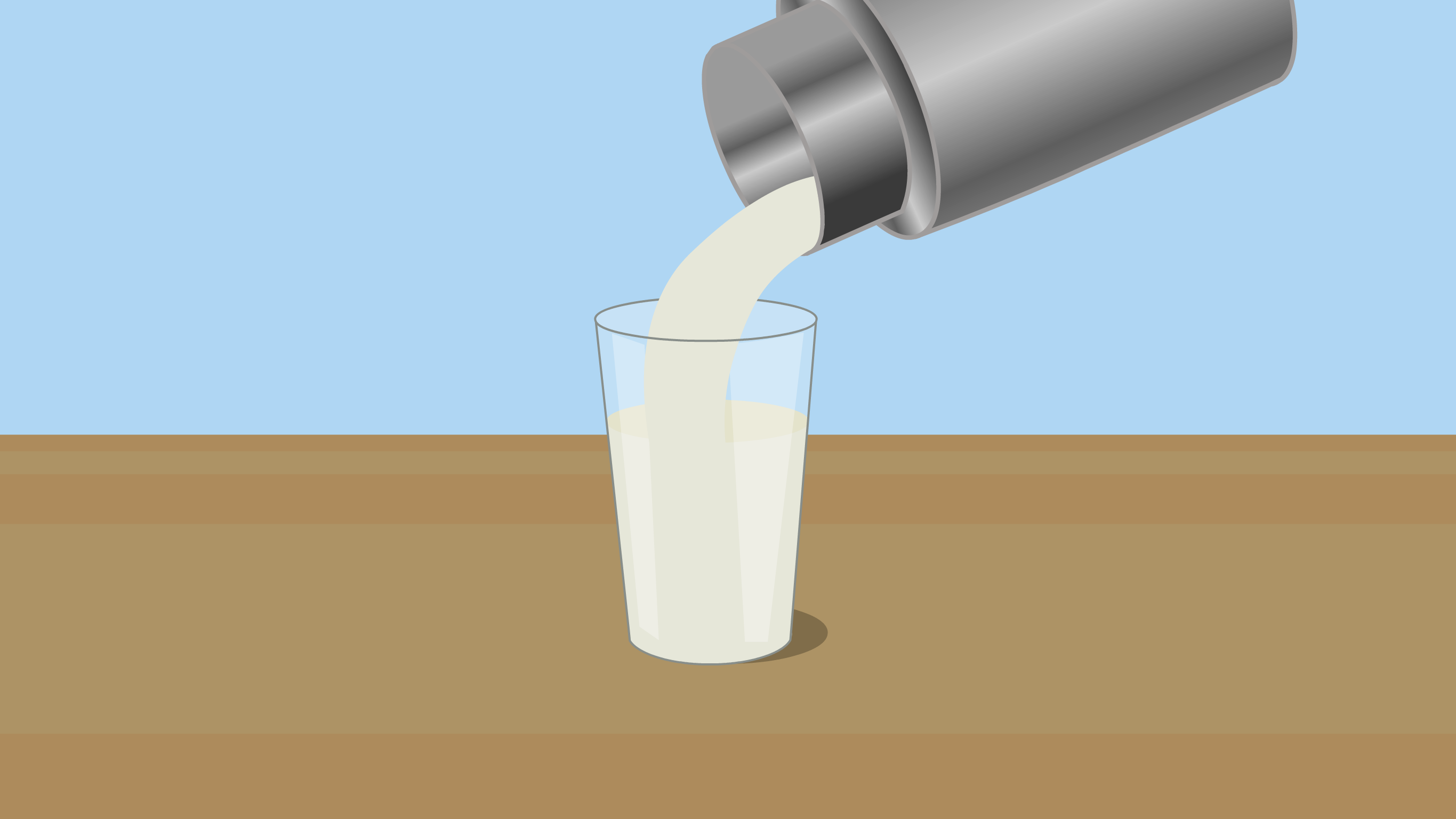
- Unpasteurized milk
- Raw fish
- Raw or undercooked eggs
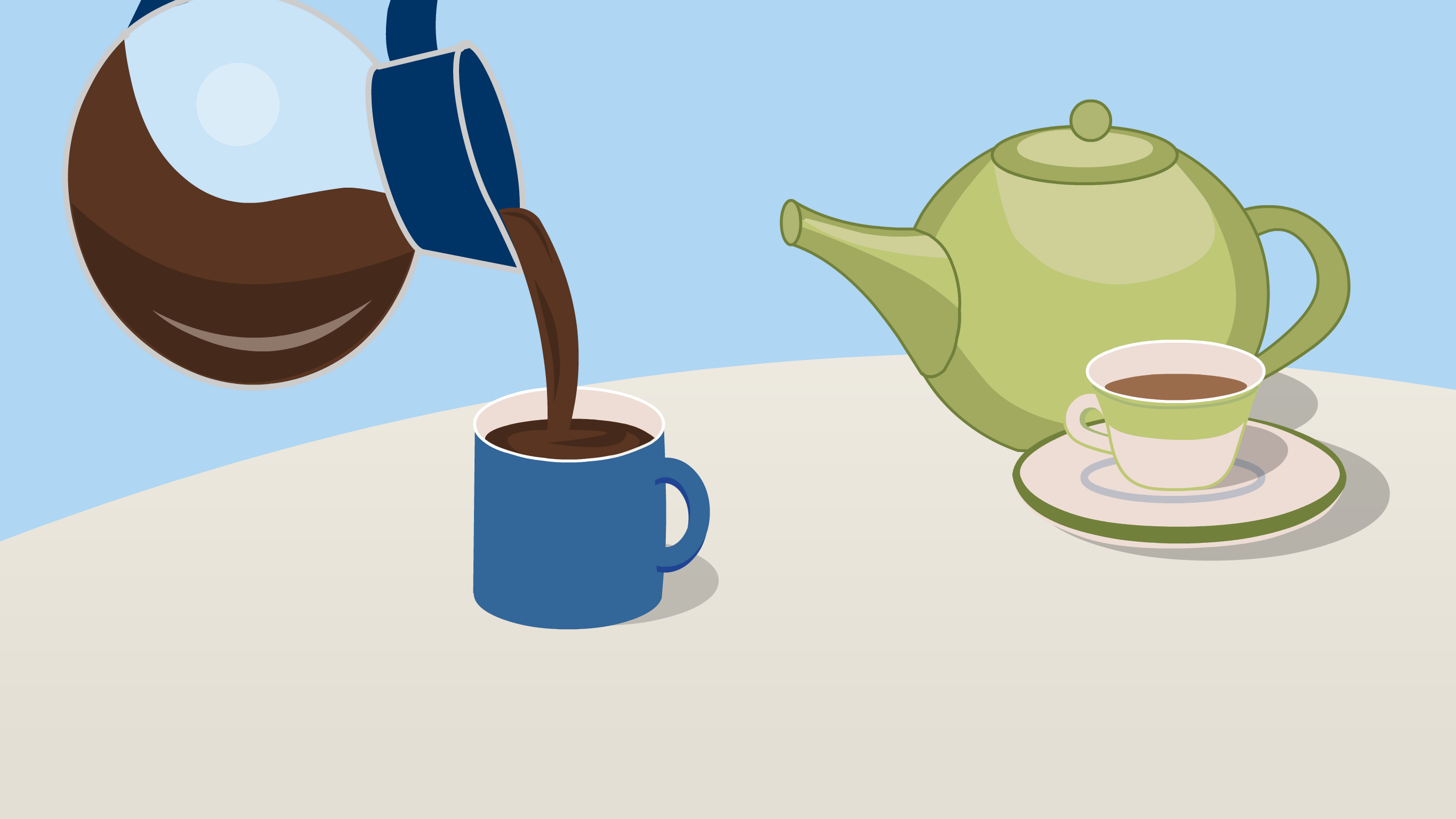
- High amounts of caffeine (limit to about 200 mg per day, e.g. 1–2 cups of coffee)
- Soft-serve ice cream from places where hygiene is uncertain
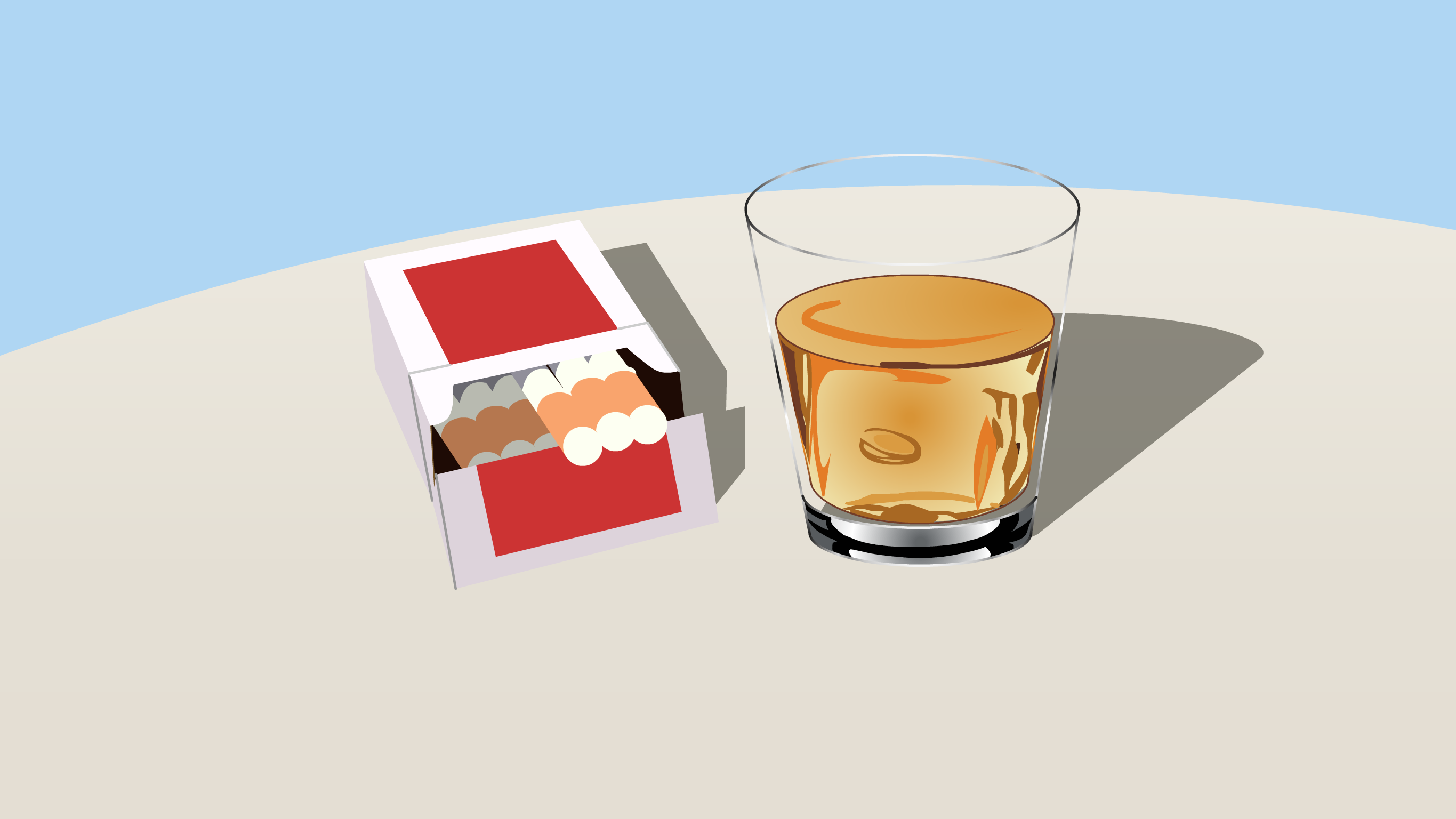
- Alcohol
How often should I eat?
It is important to eat regularly, ideally at least three meals a day and two healthy snacks (food taken in between main meals).
Do I need extra food during pregnancy?
You do not need to 'eat for two', but you may need a little extra food, especially in the second and third trimesters. Focus on the quality of food rather than the quantity.
Should I take nutrition supplements in pregnancy?
You should take folic acid (especially in early pregnancy) and may need iron supplements. Some pregnant women also need extra vitamins such as vitamin D. Speak to a healthcare worker about the nutritional supplements you may need during your pregnancy.
What can I do to ensure that my food is safe for eating?
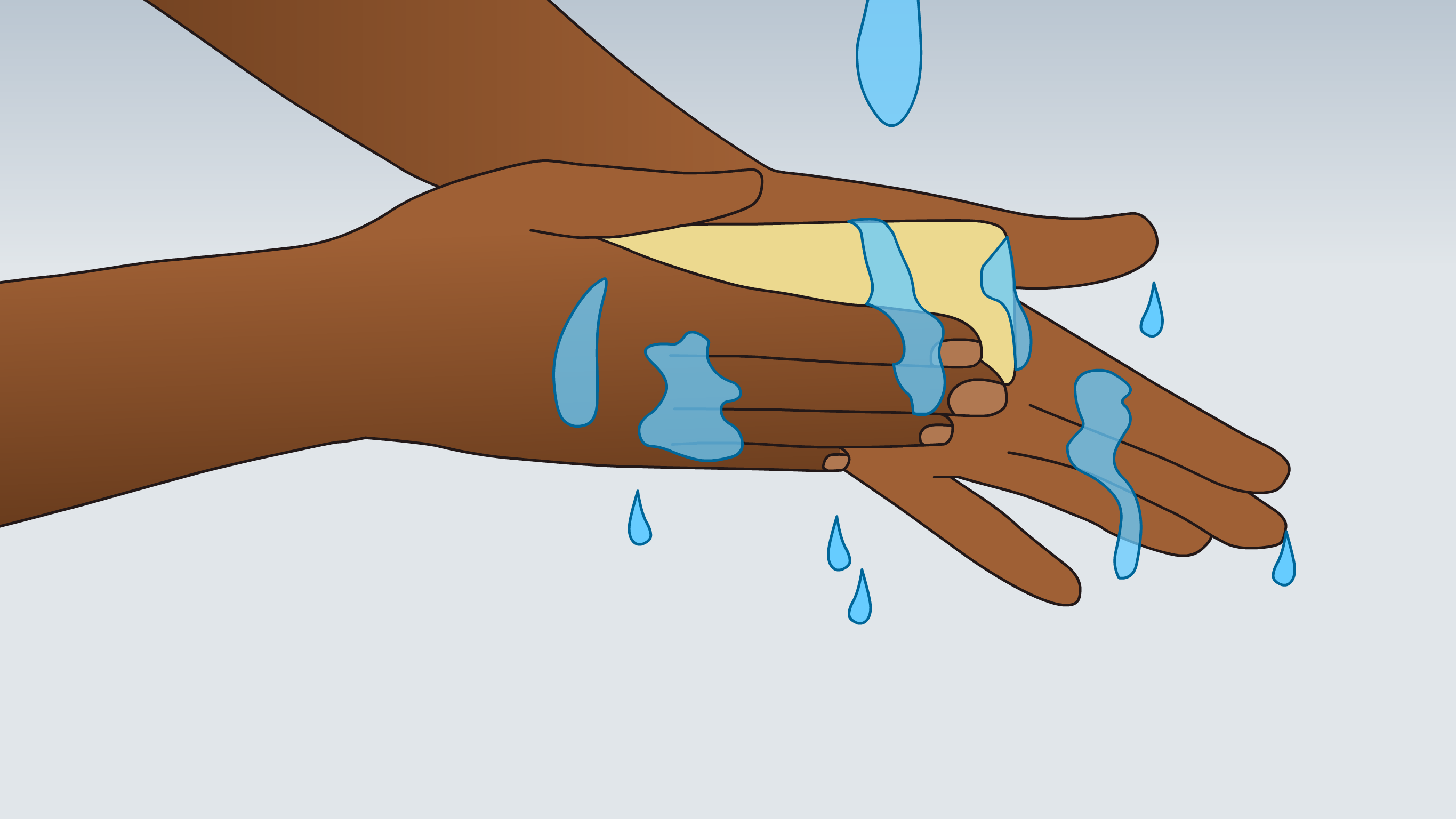
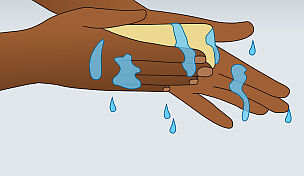
- Wash your hands with clean water and soap before making food and before eating.
- Keep food preparation surfaces and utensils clean to prevent contamination.
- Keep ready-to-eat food covered to prevent contamination.
- Use clean water for preparing meals.
What can I do if I'm concerned about my weight during pregnancy?
Body mass index (BMI) calculation can be used to find out whether you have a healthy weight in relation to your height. A healthy BMI is in the range of 18.5–24.9. A person with a BMI in the range of 25–29.9 is considered overweight. A person with a BMI of 30 or above is considered obese. BMI is only a guide and may vary by ethnicity. Your healthcare provider will advise what is appropriate for you.
- If your BMI is 30 or above, you may be advised by a healthcare provider to take a higher dose of folic acid (5 mg per day) until at least 13 weeks of pregnancy.
- Speak to a healthcare worker who will guide you on how to avoid excessive weight gain while ensuring you are eating well during pregnancy.
- Weight loss during pregnancy may be harmful to the health of the growing baby.
The authors of this DIET AND NUTRITION IN PREGNANCY program are:
- Dr Alice Norah Ladur, Liverpool School of Hygeine and Tropical Medicine, UK
- Dr Enid Glorious Tumweheire, Baylor College of Medicine Children's Foundation, Uganda
The Welfare of Women program has been created under the General Editorship of Dr Kate Lightly, University of Liverpool, UK and is overseen by an expert International Editorial Board
The publishing reference for this program is: DOI 10.3843/GLOWM.w10060
The Welfare of Women information program is an attempt to provide women everywhere with access to reliable information about key health issues that may be relevant to them. Information is offered at three separate levels which women may select according to their preferences; firstly, short video animations with voice commentary, secondly, more detailed text-based descriptions, and thirdly, links to recommended further reading. With the animated videos, women can also select the images that they feel most comfortable in viewing from a short range of very generalized and non-specific ethnicity options. Because of the special programming used, both the videos and the text information can – when authorized – be translated into any language in a simple and rapid manner.
Recommended links for more comprehensive and detailed reading
The following websites provide more comprehensive and extensive information on this topic, which is both reliable and strongly recommended for readers who want to learn more than the details provided above:
FAO: Chapter 7-Food, nutrients, and diets
http://www.fao.org/3/W0078E/w0078e08.htm#TopOfPage
FAO: Chapter 9 -Nutrition Education
http://www.fao.org/3/W0078E/w0078e10.htm#TopOfPage
FAO: The family nutrition guide. Topic 5-Food and care for women
http://www.fao.org/3/y5740e/y5740e08.htm#TopOfPage
WHO: Iodine in pregnancy and lactation
https://www.who.int/tools/elena/bbc/iodine-pregnancy
British Dietetic Association: Pregnancy and diet: Food factsheet
https://www.bda.uk.com/resource/pregnancy-diet.html
National Health Service (NHS) UK: Foods to avoid in pregnancy
https://www.nhs.uk/pregnancy/keeping-well/foods-to-avoid/
RCOG: Being overweight in pregnancy and after birth patient information
https://www.rcog.org.uk/for-the-public/browse-all-patient-information-leaflets/being-overweight-in-pregnancy-and-after-birth-patient-information-leaflet/
World Health Organization: Healthy diet factsheet
https://www.who.int/news-room/fact-sheets/detail/healthy-diet
Public Health Scotland: Eating well in pregnancy
https://www.nhsinform.scot/ready-steady-baby/pregnancy/looking-after-yourself-and-your-baby/eating-well-in-pregnancy
WHO antenatal care recommendations for a positive pregnancy experience. Nutritional interventions update: Multiple micronutrient supplements during pregnancy.
https://www.who.int/publications/i/item/9789240007789
Resources the author(s) used in preparing this guidance
GLOWM video on “What a pregnant woman needs to eat". Note can get lots of the relevant images from this video
https://www.glowm.com/resource-contents/page/pregnancy-and-childbirth/title/what-a-pregnant-woman-needs-to-eat/resource-doc/135
FAO: Chapter 7-Food, nutrients, and diets
http://www.fao.org/3/W0078E/w0078e08.htm#TopOfPage
British Dietetic Association: Pregnancy and diet: Food fact sheet
https://www.bda.uk.com/resource/pregnancy-diet.html
