

Bladder and pelvic floor problems
An educational
initiative
supported by

Written by experienced doctors, midwives and other medical professionals –
and approved by a specialist Editorial Board
Select Avatar


Select Language
We plan to provide other language versions as soon as funding is available
Enhancing the Welfare of Women
Expert Health Information for Women




























The author of this BLADDER AND PELVIC FLOOR PROBLEMS program is:
- Dr Helen Preston
Liverpool Women's Hospital, Liverpool, UK
The Welfare of Women program has been created under the General Editorship of Dr Kate Lightly, University of Liverpool, UK and is overseen by an expert International Editorial Board
The cost of producing this resource has been partly funded by an educational grant from GSK
Thank you for watching this Welfare of Women video. We would welcome your views and feedback. Please complete this short questionnaire.
Pelvic floor health
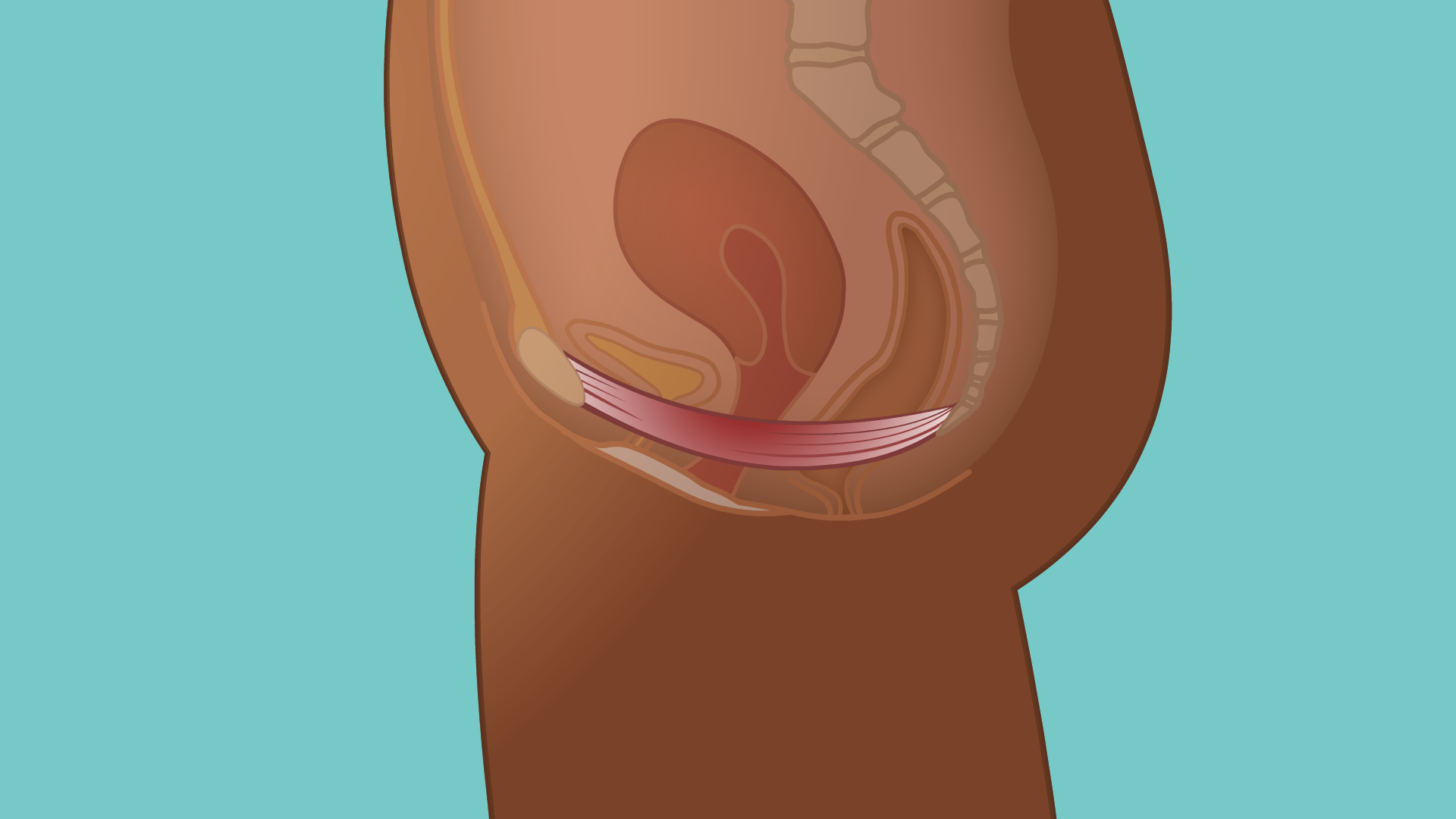
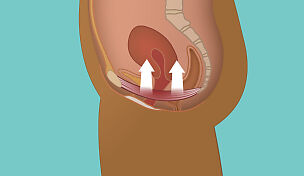
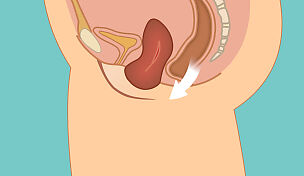
The pelvic floor is a group of muscles inside your body. These muscles act like a hammock or sling, and help hold in place body parts, such as the bladder, bowel and womb. Sometimes these muscles can become weak. This can happen with aging, after having a baby or, sometimes, from heavy lifting.
When the pelvic floor is weak, it can make it harder to hold in urine. It can also cause some body parts, like the bladder, bowel and womb, to move out of place. Some people may feel like they need to go to the toilet very suddenly. These problems are quite common and can make everyday life harder.
Pelvic organ prolapse
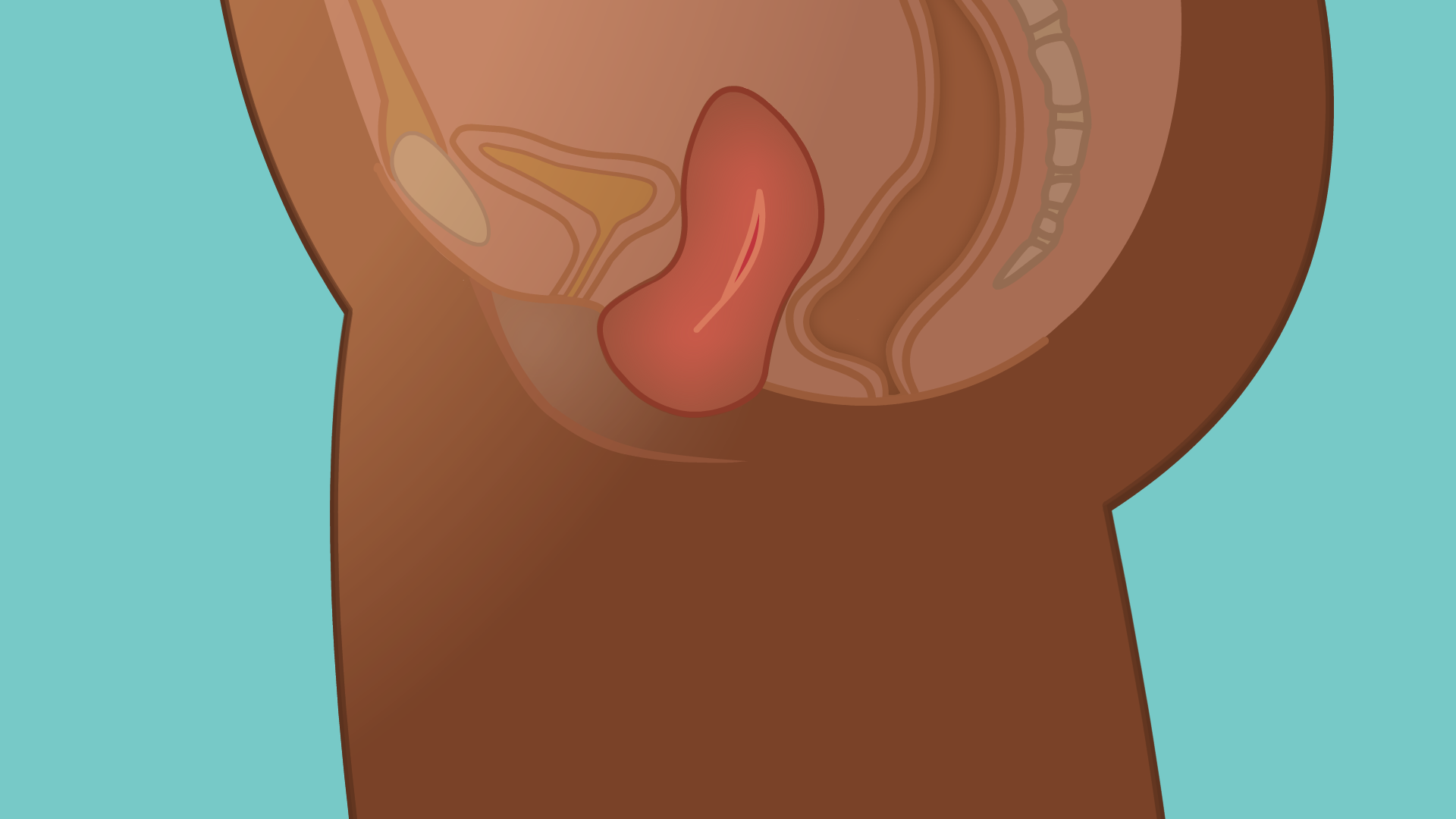
Pelvic organ prolapse is when some body parts inside a woman’s body drop when they shouldn’t. These parts can include the bladder, womb or bowel. They can move into the vagina.
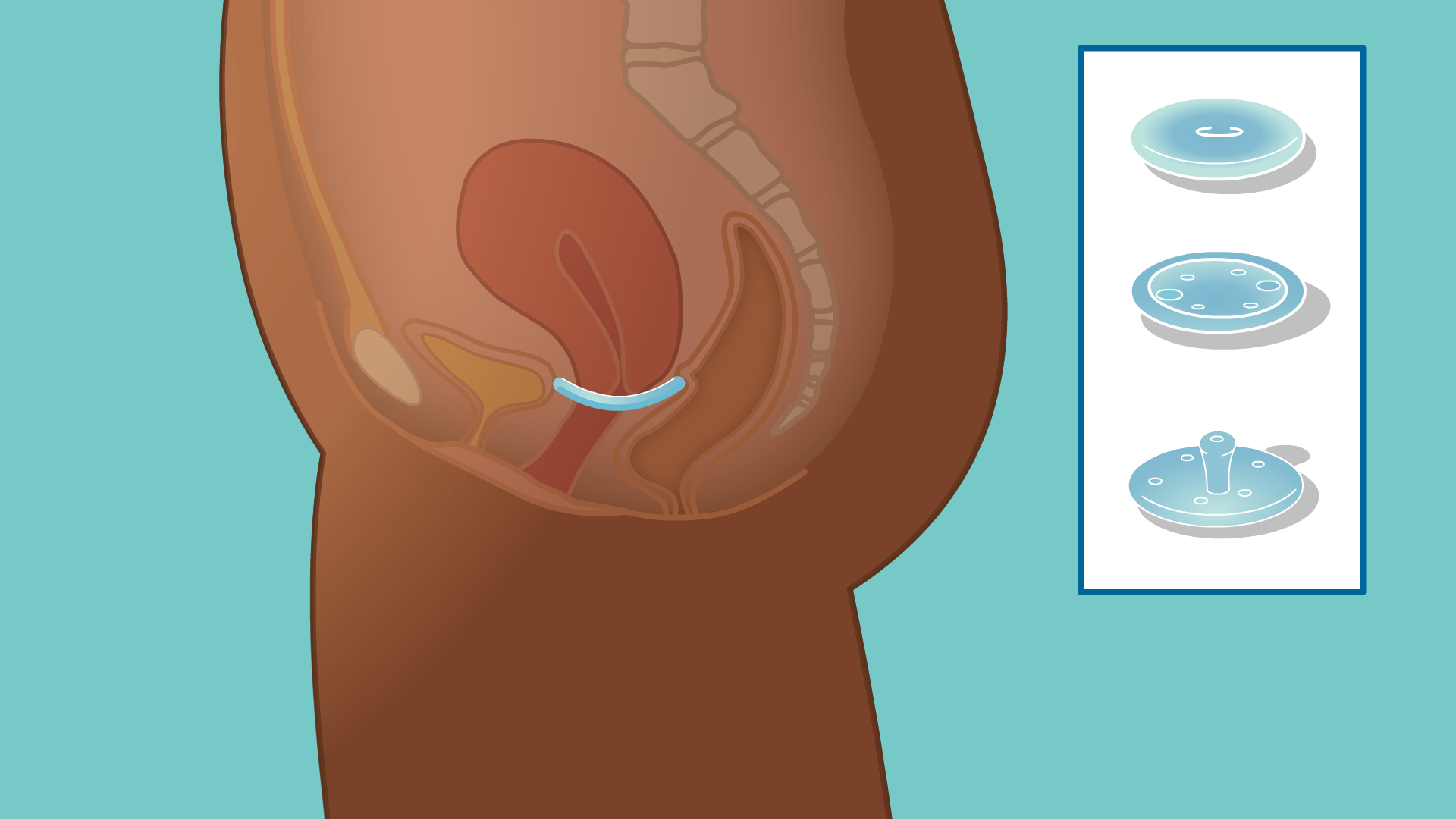
Women might feel a lump, a heavy feeling, or like something is slipping down inside them. If it is very bad, it can hurt and make it hard to urinate. These problems can often be helped by doing special exercises to make the pelvic floor muscles stronger. Sometimes, however, exercises are not enough. In those cases, doctors can put a soft support inside the vagina to help hold parts in place, or they may do an operation to fix the problem.
Stress urinary incontinence
Stress urinary incontinence is when a little bit of urine leaks out when laughing, coughing, sneezing or moving quickly. This happens because the muscles that help hold in urine are not strong enough.
This problem can also be helped by doing pelvic floor exercises. Many women find that, after doing these exercises regularly for a few months, the leaking gets much better. If the leaking is severe, some people may need extra help from a doctor.
Overactive bladder and urge incontinence
An overactive bladder is the sudden, strong urge to urinate that’s hard to ignore. Sometimes this causes leaking urine before reaching the toilet.
People with this problem may need to go to the toilet very often, feel like they must go right away or wake up many times at night to urinate.
Doctors don’t always know why this happens, but it is more common as people get older.
Management of pelvic floor and bladder symptoms
There are things people can do to keep their pelvic floor muscles strong and healthy.
Not smoking and keeping a healthy body weight help reduce the chance of having these problems.
The best way to help or prevent these problems is by doing special pelvic floor exercises to make the muscles stronger.
Pelvic floor exercises
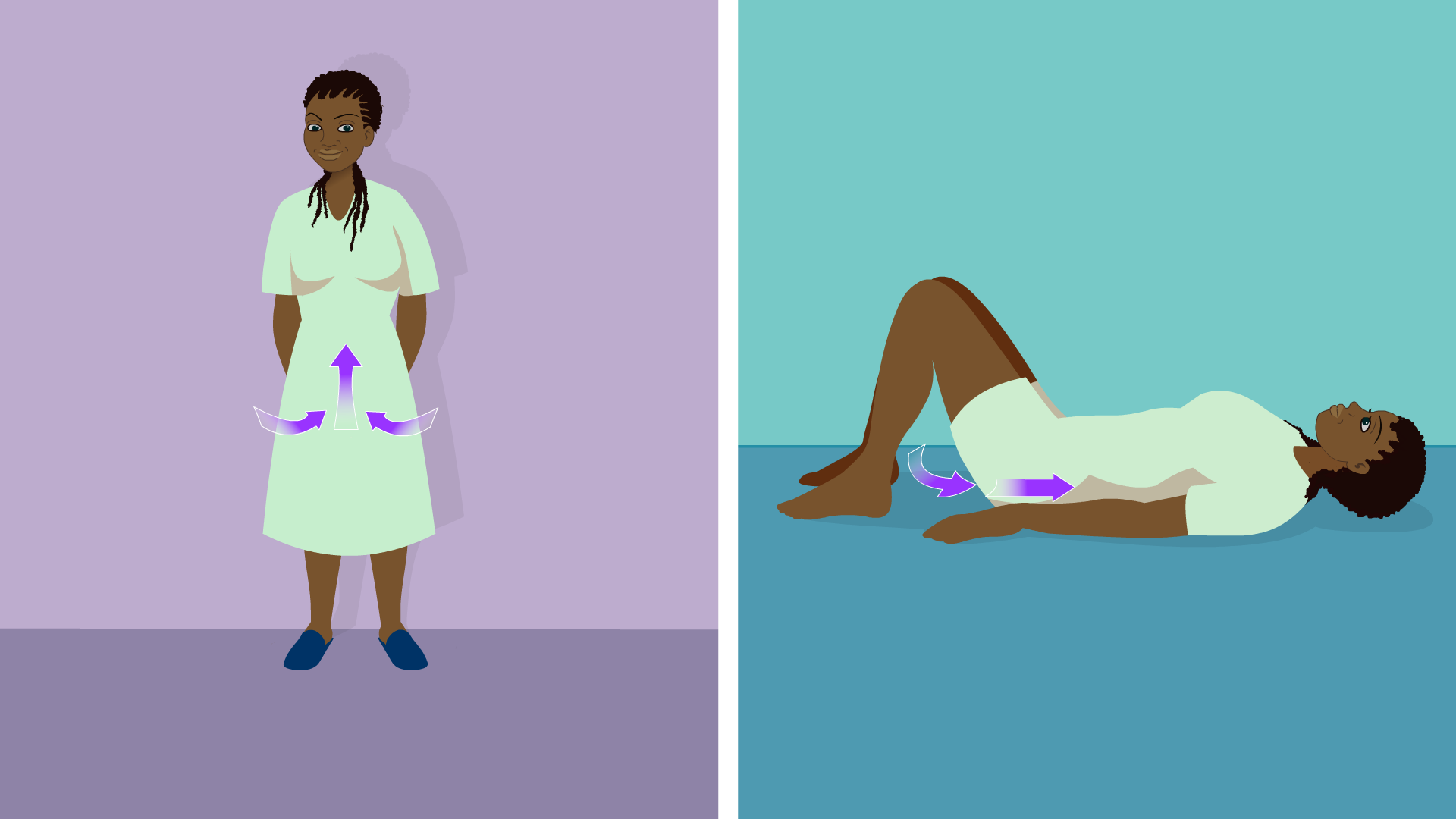
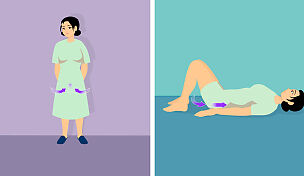
Pelvic floor exercises are done by gently squeezing the muscles and then relaxing them. You can do them while standing, sitting down or lying down with your knees bent.
To do the exercise, squeeze the muscles you would use to stop urination or passing wind, then relax them again. Try not to squeeze your tummy or bottom muscles. At first, these exercises may feel hard, but they get easier the more you practise. It helps to do them at the same time every day, like when brushing your teeth.
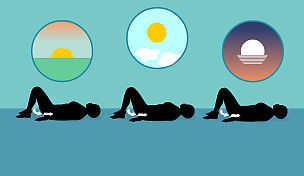
The exercises should be done three times a day. Each time, do 10 long squeezes and 10 quick squeezes.
- Long squeezes: hold for 10 seconds, then relax for 5 seconds.
- Quick squeezes: squeeze for 1 second, then relax for 1 second.
Constipation
Having constipation can make problems worse. This is because pushing too hard when doing a poo can make the pelvic floor muscles weaker.
Good toilet habits can help keep your body healthy. Drinking lots of water and eating foods with fiber, like fruit, vegetables and whole grains, helps keep stool soft and easy to pass.
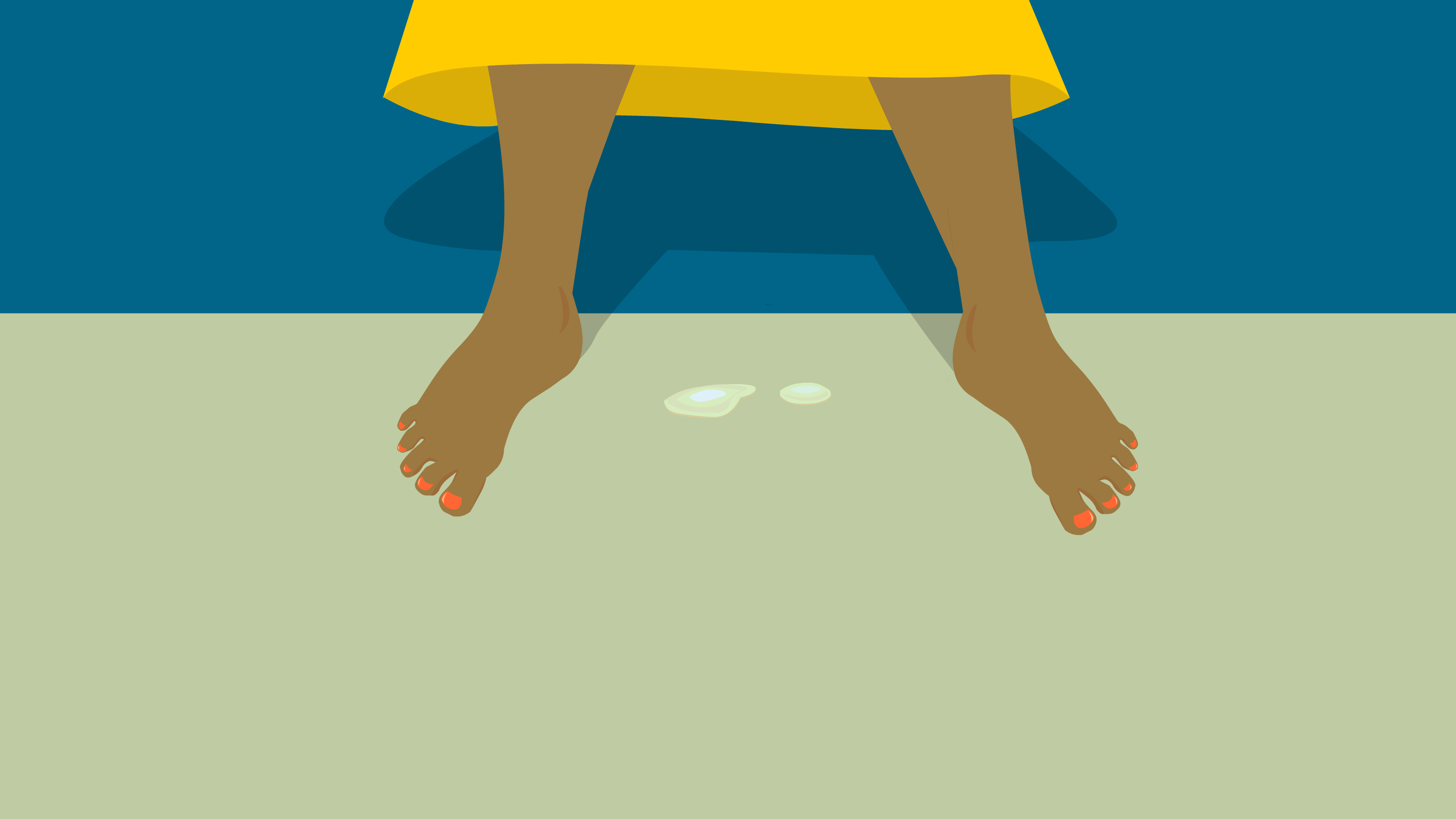
When sitting on the toilet, putting your feet on a small stool can help. This helps your body to be in a better position and makes doing a poo easier.
Overactive bladder
Overactive bladder can improve by avoiding things that can irritate the bladder. Drinks like tea, coffee, cola, fizzy drinks and alcohol can make the bladder more active. Smoking can also make symptoms worse.
Another way to help is by training the bladder. This means trying to wait a little longer before going to the toilet, so the bladder learns to hold urine for longer.
If these things don’t help enough, doctors can give medicine or other treatments to help calm the bladder.
The author of this BLADDER AND PELVIC FLOOR PROBLEMS program is:
- Dr Helen Preston, Liverpool Women's Hospital, Liverpool, UK
The Welfare of Women program has been created under the General Editorship of Dr Kate Lightly, University of Liverpool, UK and is overseen by an expert International Editorial Board
The publishing reference for this program is: DOI 10.3843/GLOWM.w10097
The Welfare of Women information program is an attempt to provide women everywhere with access to reliable information about key health issues that may be relevant to them. Information is offered at three separate levels which women may select according to their preferences; firstly, short video animations with voice commentary, secondly, more detailed text-based descriptions, and thirdly, links to recommended further reading. With the animated videos, women can also select the images that they feel most comfortable in viewing from a short range of very generalized and non-specific ethnicity options. Because of the special programming used, both the videos and the text information can – when authorized – be translated into any language in a simple and rapid manner.
Recommended links for more comprehensive and detailed reading
The following websites provide more comprehensive and extensive information on this topic, which is both reliable and strongly recommended for readers who want to learn more than the details provided above:
International Urogynaecology Association (IUGA) patient information leaflets
https://www.yourpelvicfloor.org/
British society of Urogynaecology (BSUG) patient information leaflets
Information on surgical procedures to manage overactive bladder, stress incontinence and pelvic organ prolapse
https://bsug.org.uk/pages/for-patients/bsug-patient-information-leaflets/154
Resources the author(s) used in preparing this guidance
International Urogynaecology Association (IUGA) patient information leaflets
https://www.yourpelvicfloor.org
British society of Urogynaecology (BSUG) patient information leaflet
https://bsug.org.uk/pages/for-patients/bsug-patient-information-leaflets/154
NICE guidance NG123 – Urinary incontinence and pelvic organ prolapse in women: management
https://www.nice.org.uk/guidance/ng12
