

Maternal sepsis
Severe infection during pregnancy, at birth or
after birth
An educational
initiative
supported by

Written by experienced doctors, midwives and other medical professionals –
and approved by a specialist Editorial Board
Select Avatar


Select Language
We plan to provide other language versions as soon as funding is available
Enhancing the Welfare of Women
Expert Health Information for Women



















The authors of this MATERNAL SEPSIS program are:
- Bossy Farag
University of Liverpool, UK - Dr Kate Lightly
University of Liverpool, UK - Dr Laura Goodfellow
University of Liverpool, UK - Bertha Maseko
Malawi Liverpool Wellcome Research Programme, Malawi
The Welfare of Women program has been created under the General Editorship of Dr Kate Lightly, University of Liverpool, UK and is overseen by an expert International Editorial Board
The cost of producing this resource has been partly funded by an educational grant from GSK
Thank you for watching this Welfare of Women video. We would welcome your views and feedback. Please complete this short questionnaire.
What is maternal sepsis?
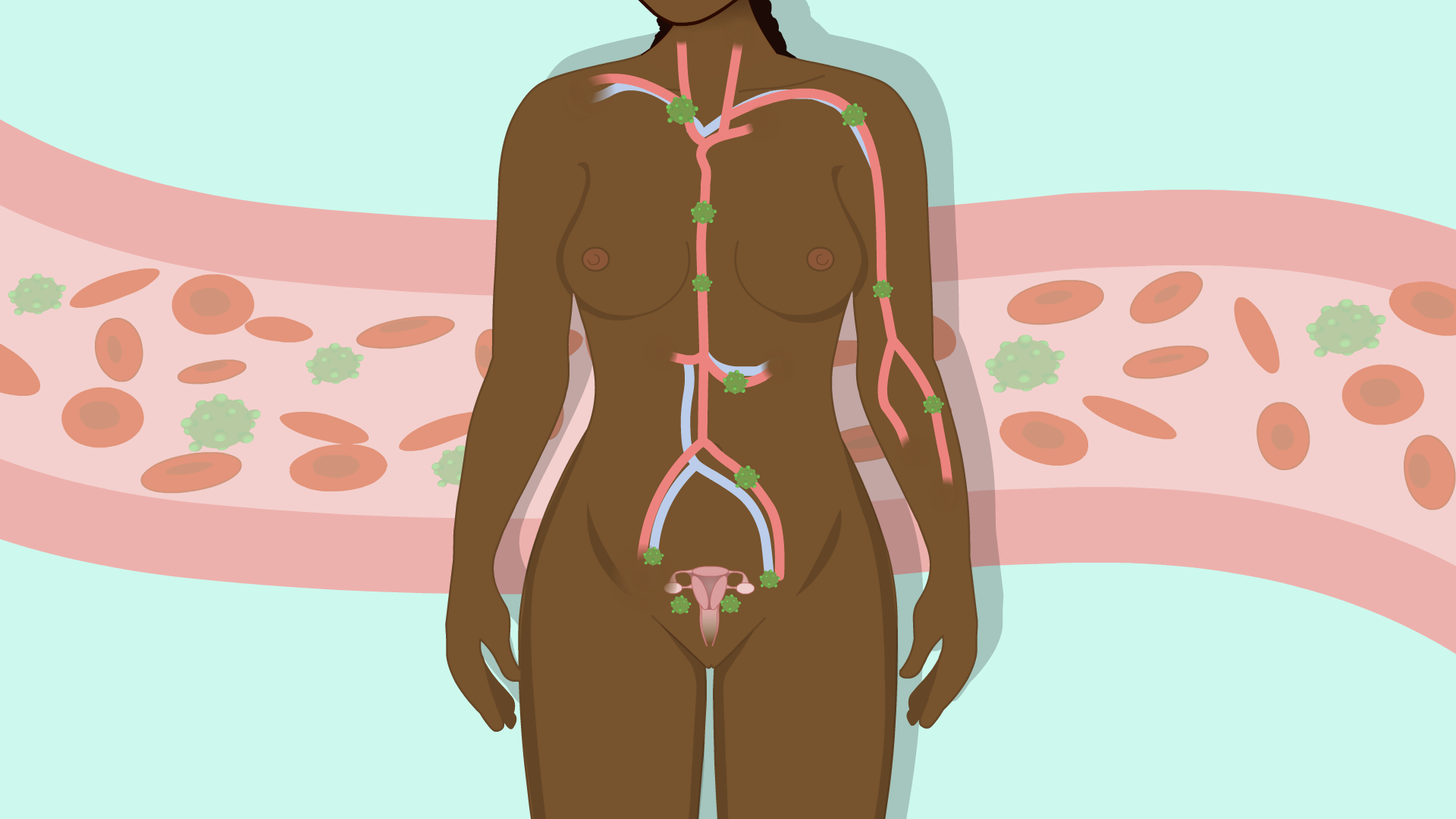
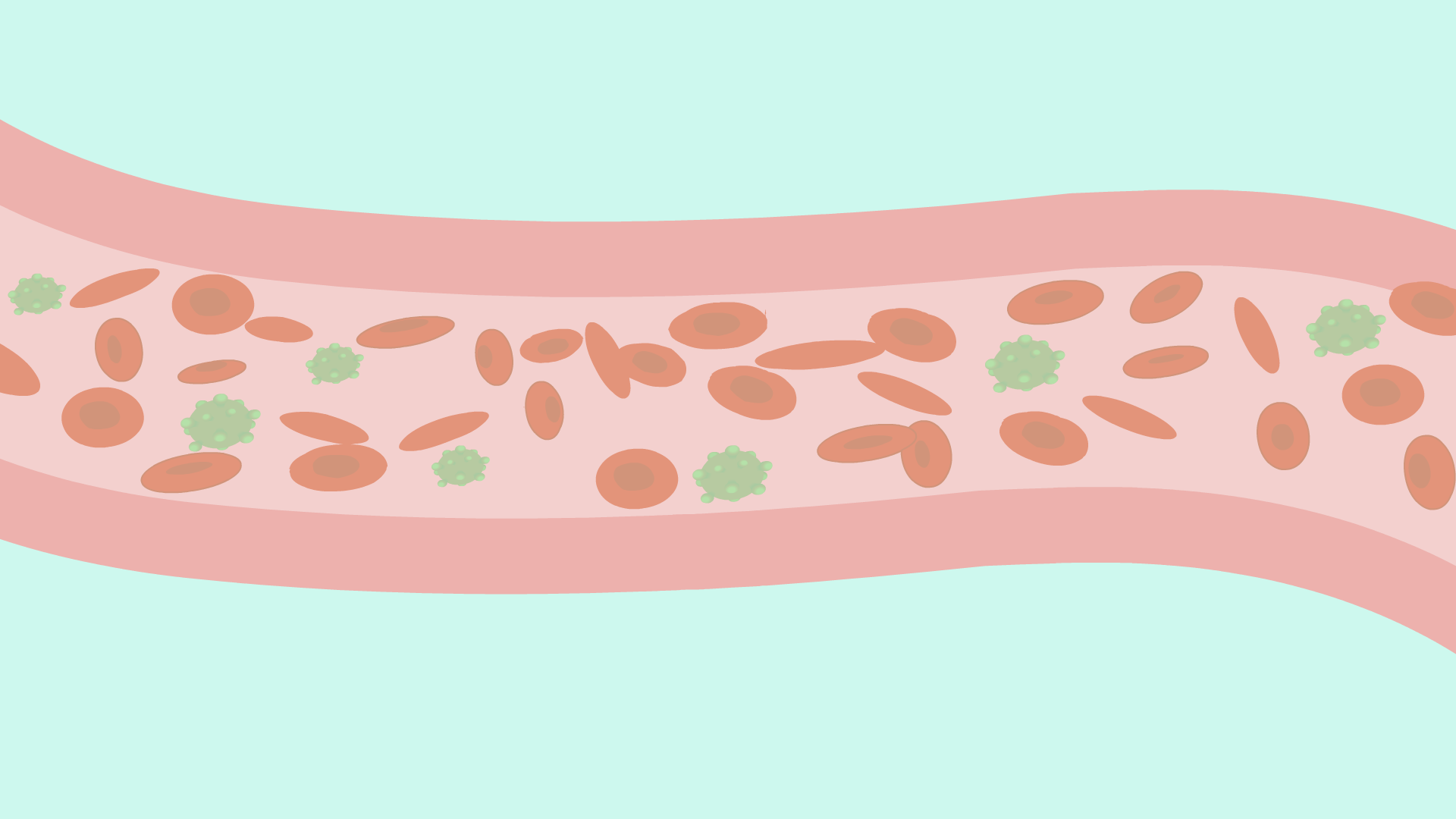
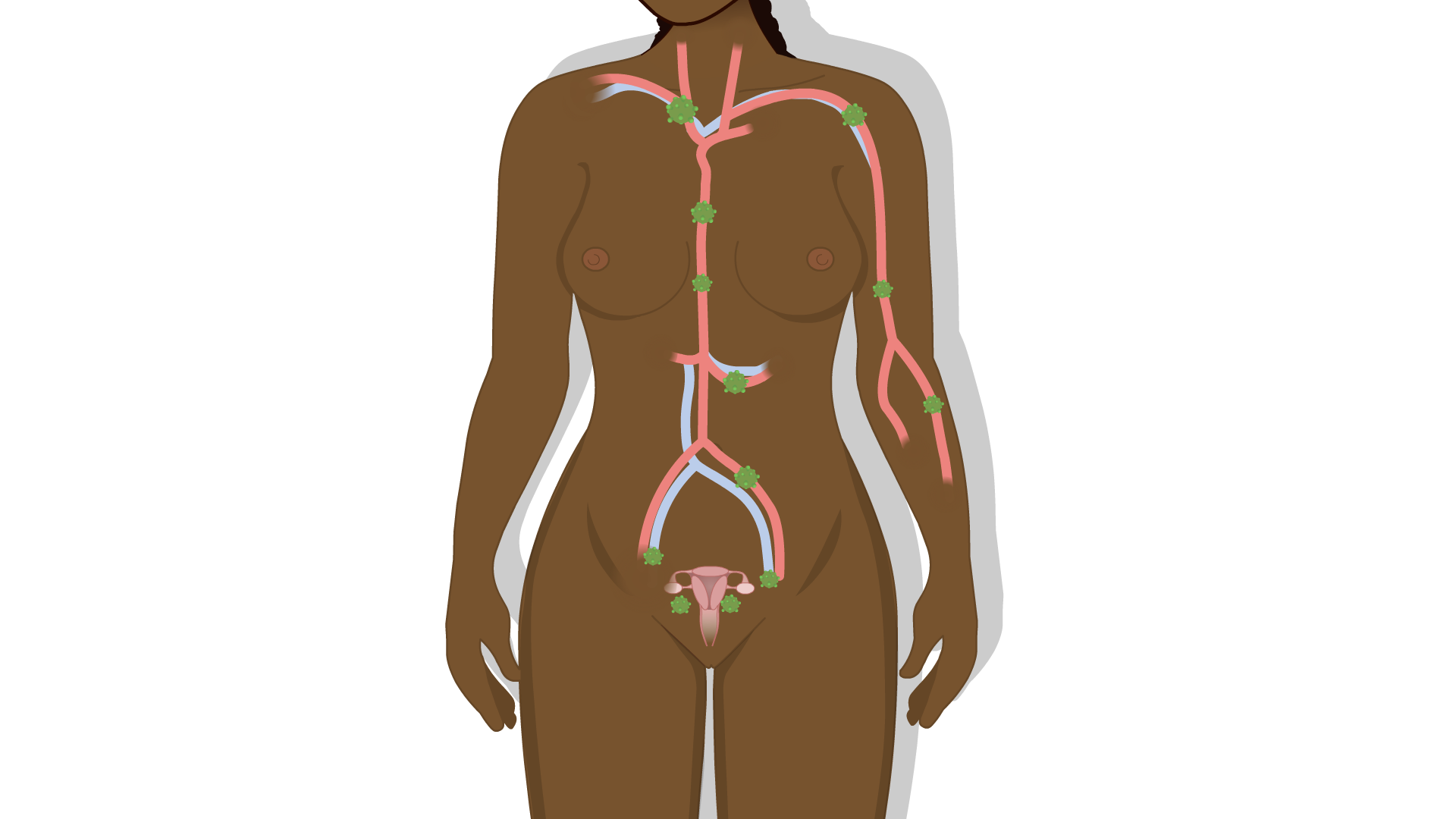
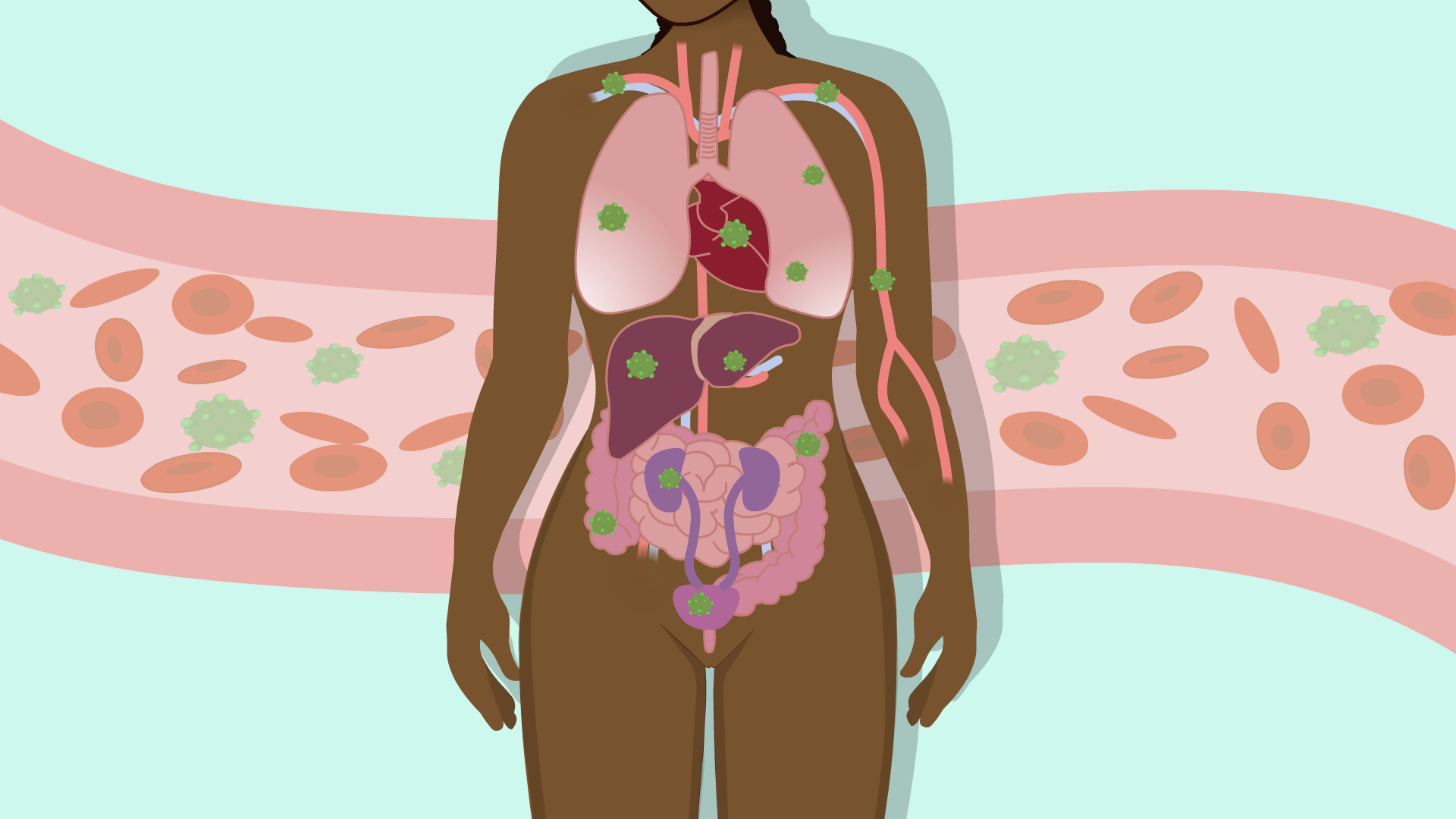
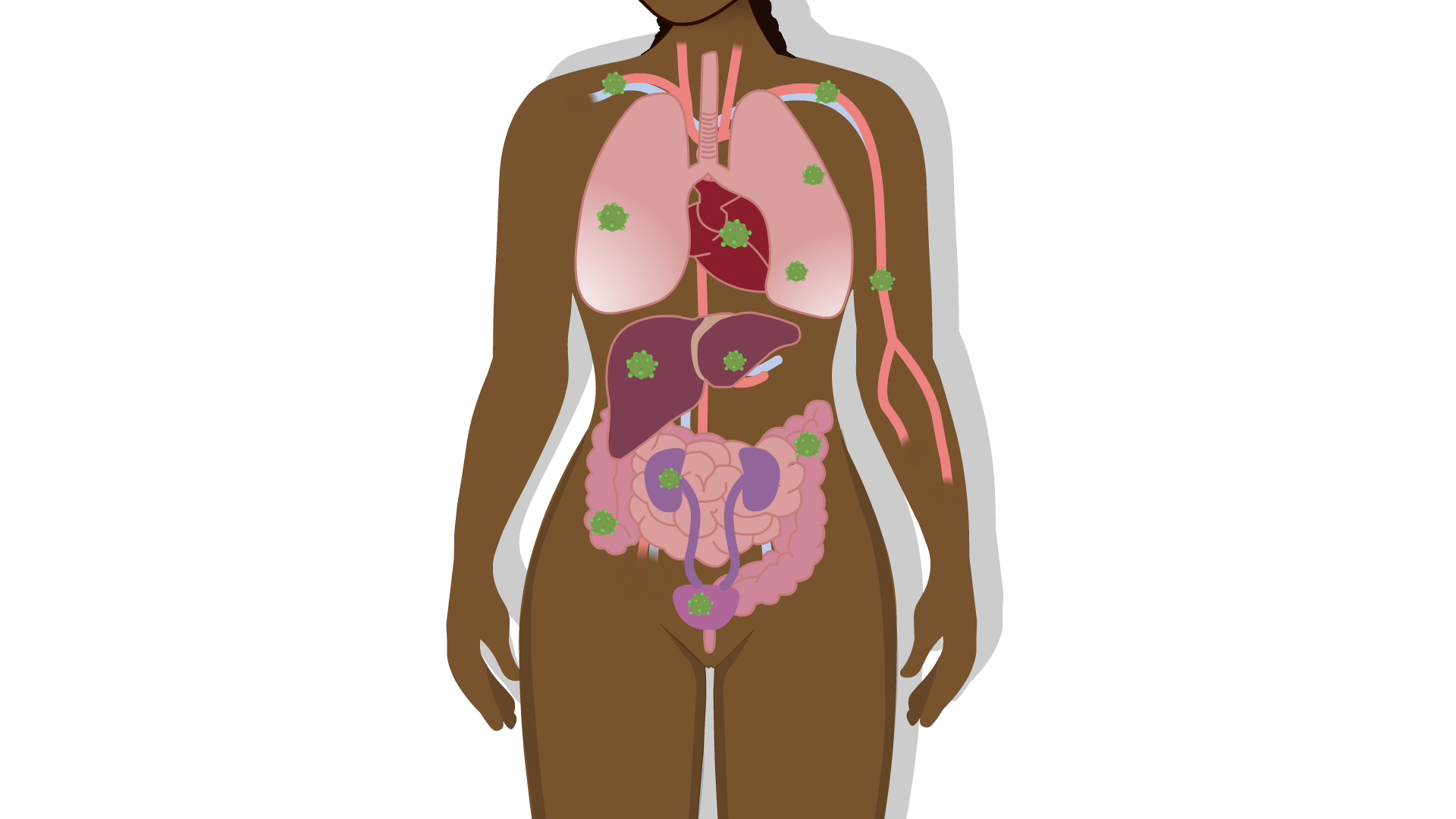
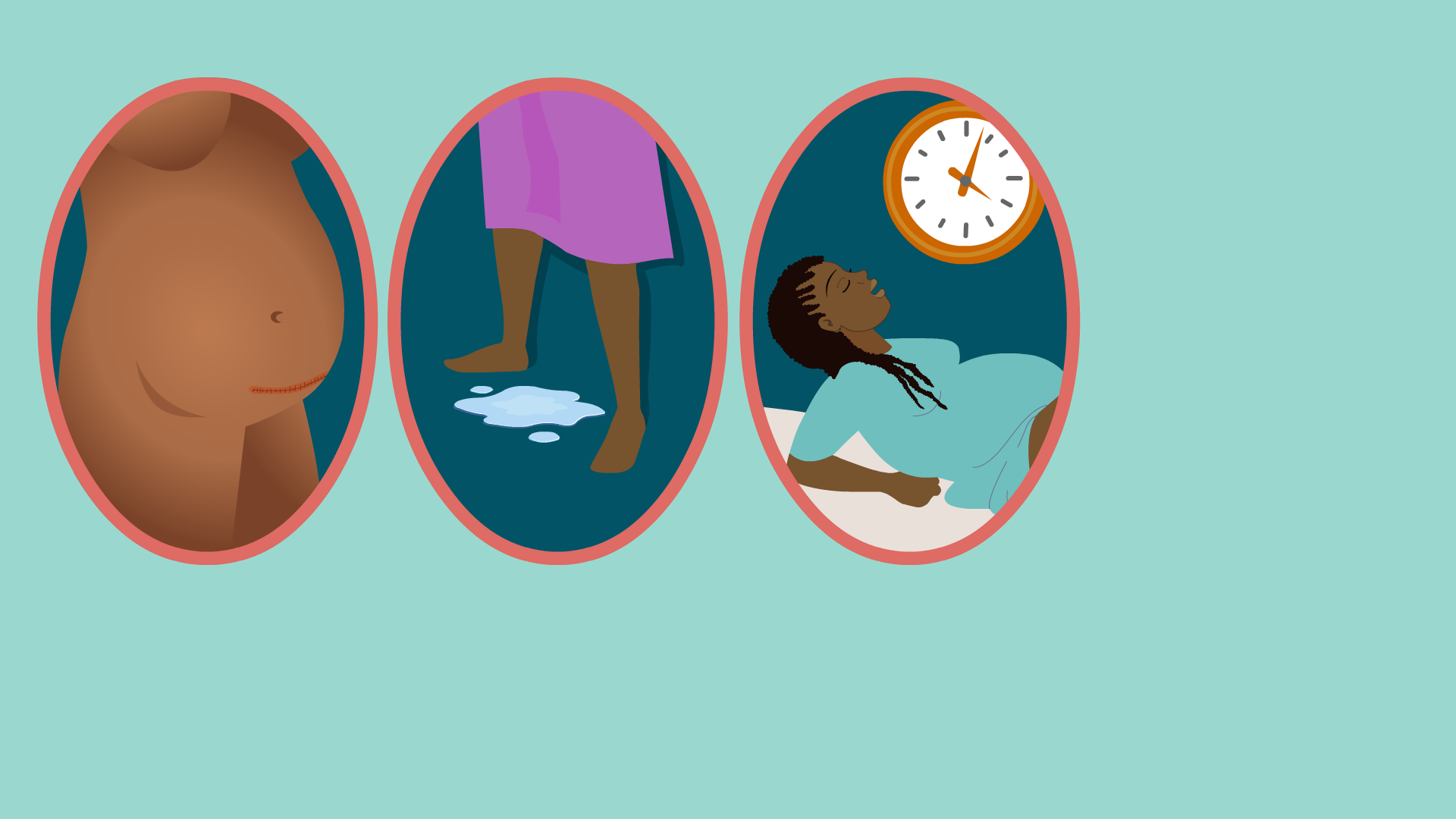
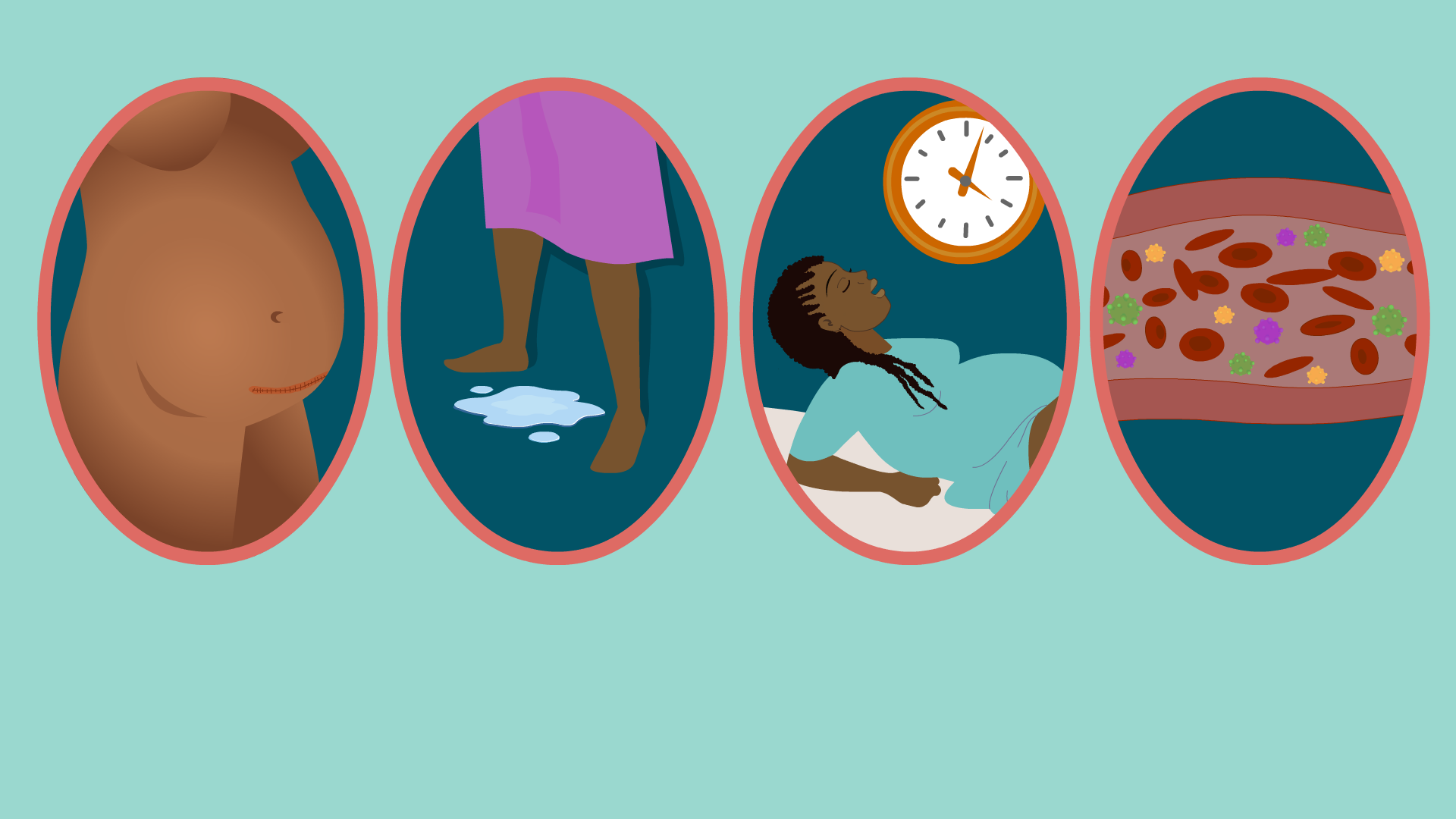
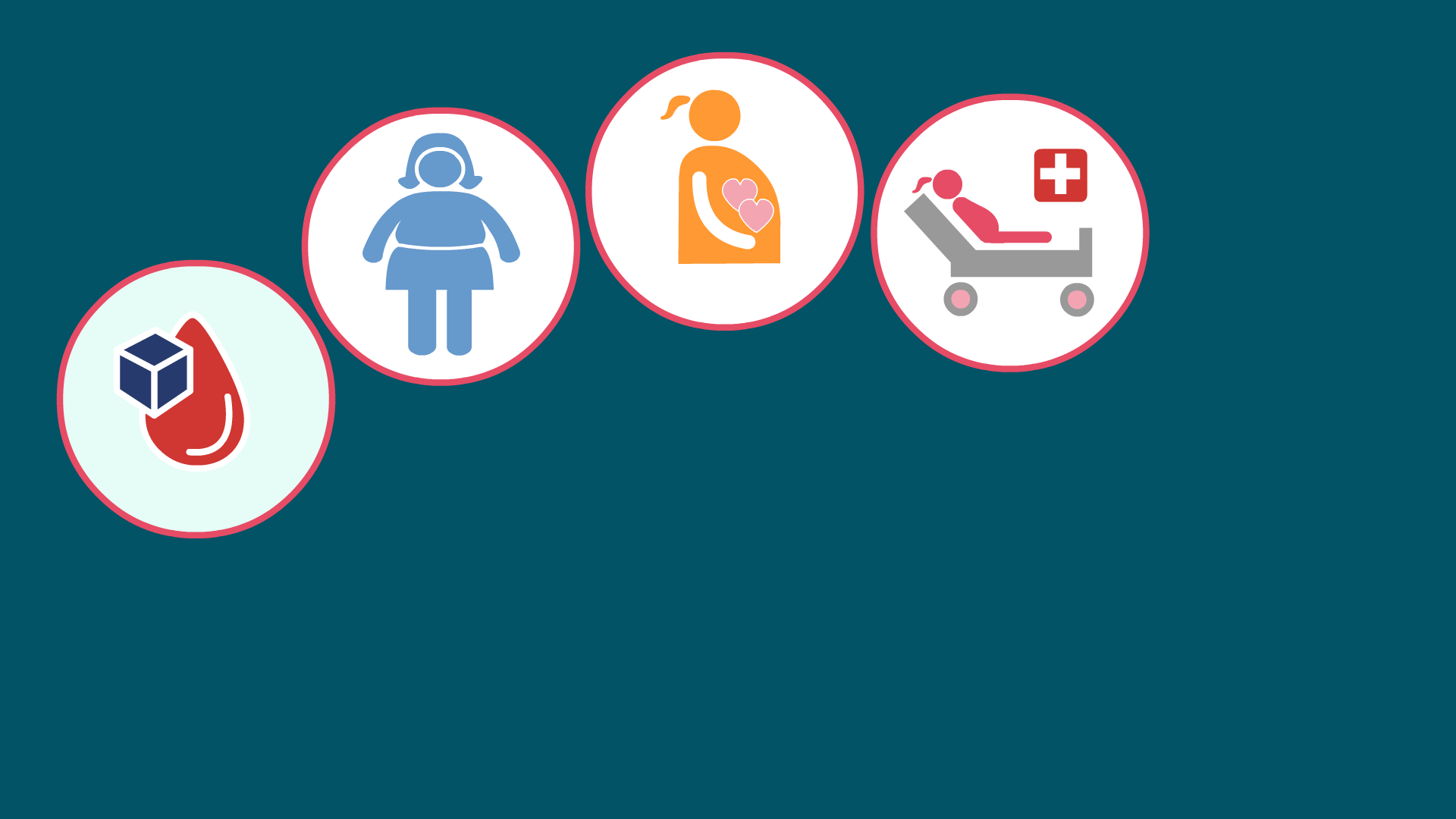
Infections are common during pregnancy, birth and after birth. Sometimes, these infections can enter the blood, spread quickly through the body and damage major organs. When this happens, it is called maternal sepsis. If it is not treated quickly, maternal sepsis can be very dangerous and even life-threatening.
Why is it important to know about maternal sepsis?
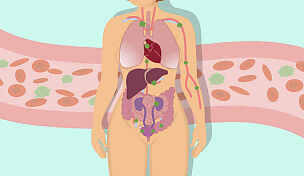
Maternal sepsis is one of the main causes of death in women during pregnancy, childbirth and after birth. It can also affect your baby, causing an early birth or sometimes infections in the baby or death.
It can be lifesaving to learn about sepsis so that you know when to go to a healthcare facility if you think that you have sepsis. With the proper care, sepsis can be treated and your life and your baby's can be saved.
What are the causes of maternal sepsis?
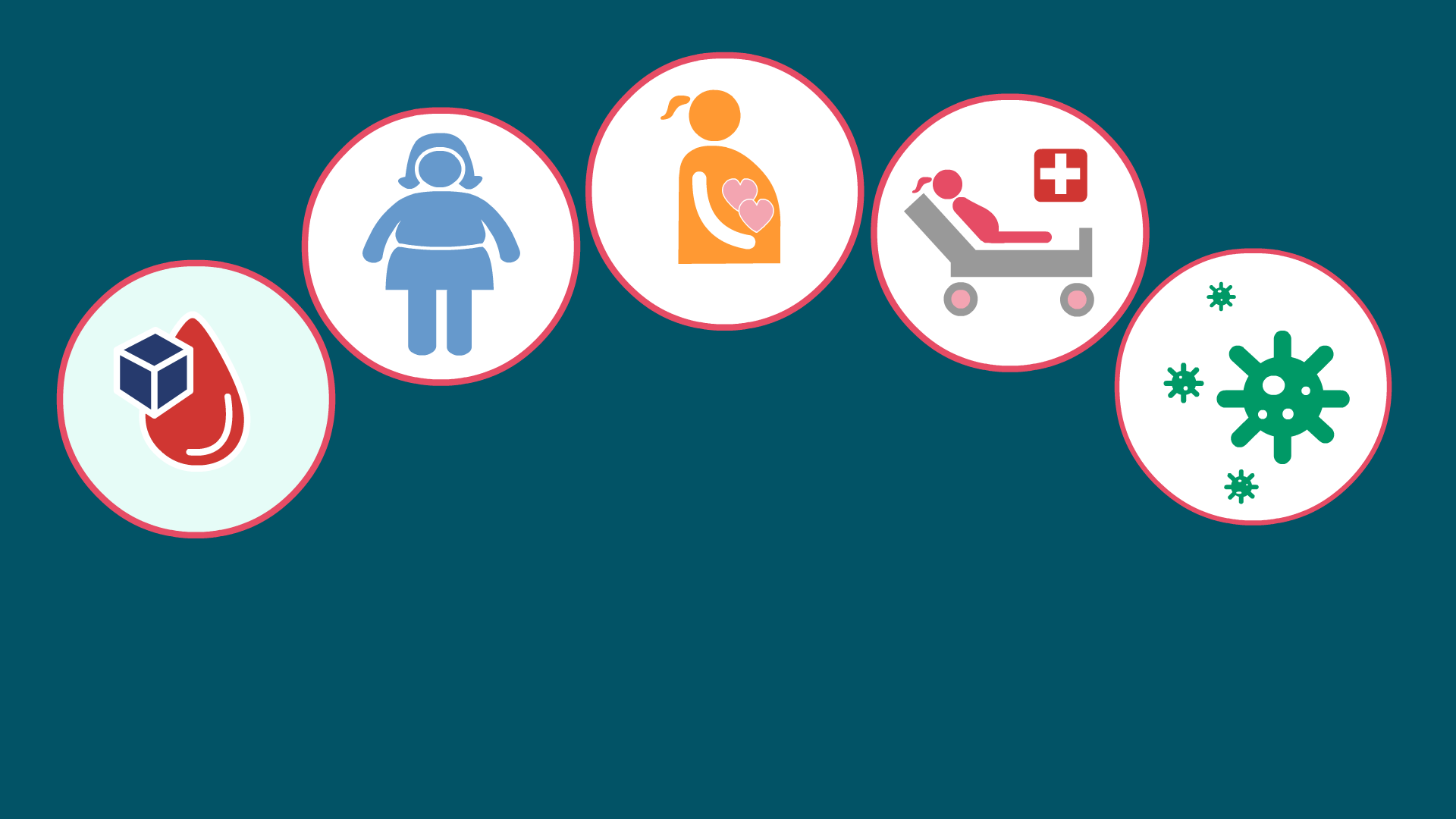
Infections are the most common cause of maternal sepsis. These infections can happen:
- in wounds, especially after cesarean section
- in the womb after birth
- in the water around the baby during pregnancy
- elsewhere in your body, for example, in your kidneys, breasts or chest
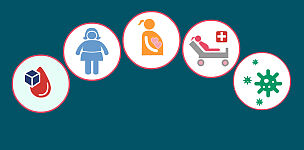
You may also be more at risk of maternal sepsis if you
- have an untreated infection
- have a cesarean section or vaginal tear during birth
- give birth in a place without access to clean water or where it is hard to keep clean
- give birth in a place that is overcrowded
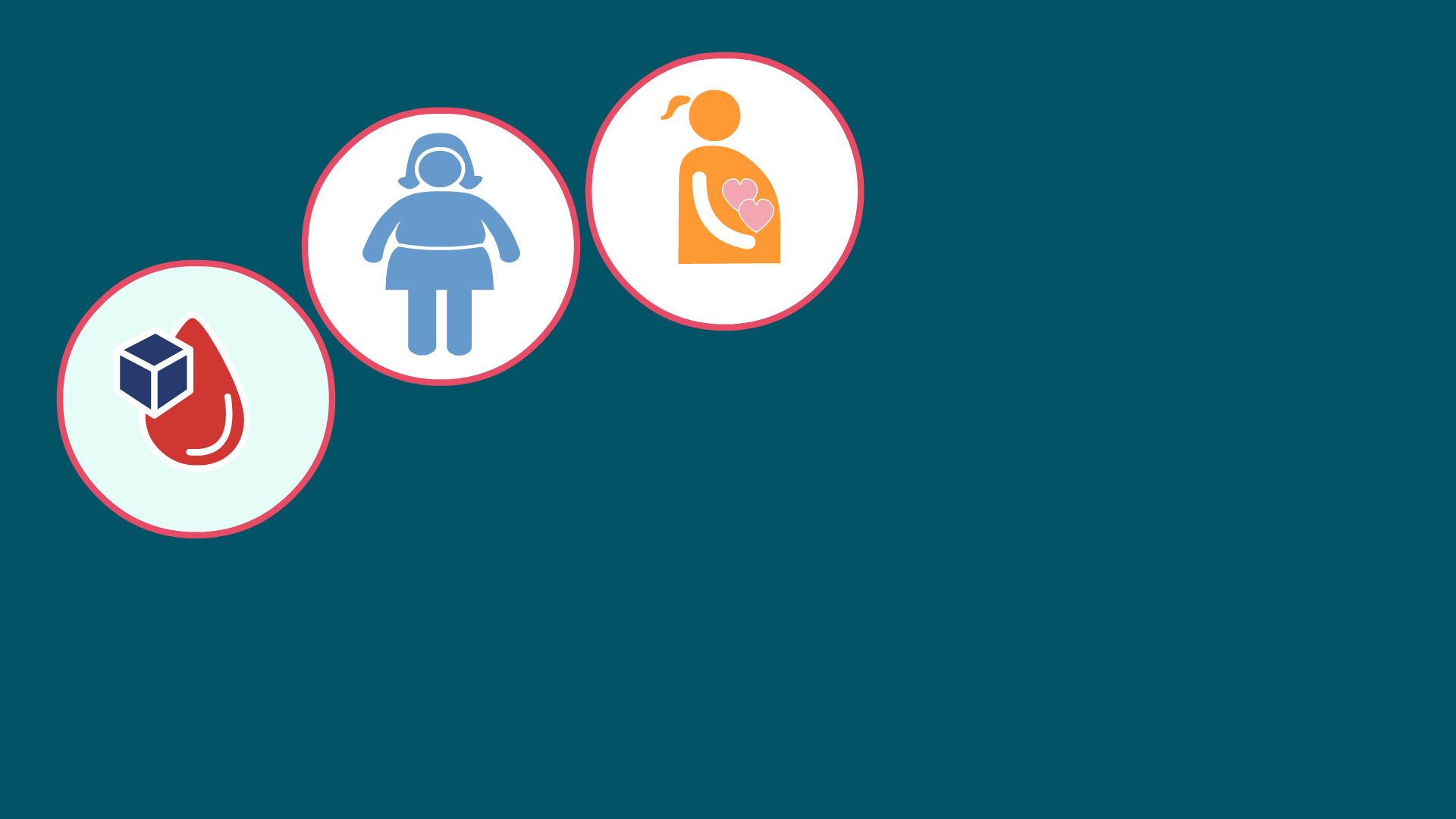
- have a long birth
- your waters break more than a day before the baby is born
- have a weak immune system, for example, because of HIV
- have urine infections during pregnancy
- are overweight
- have diabetes
What are the symptoms of maternal sepsis?
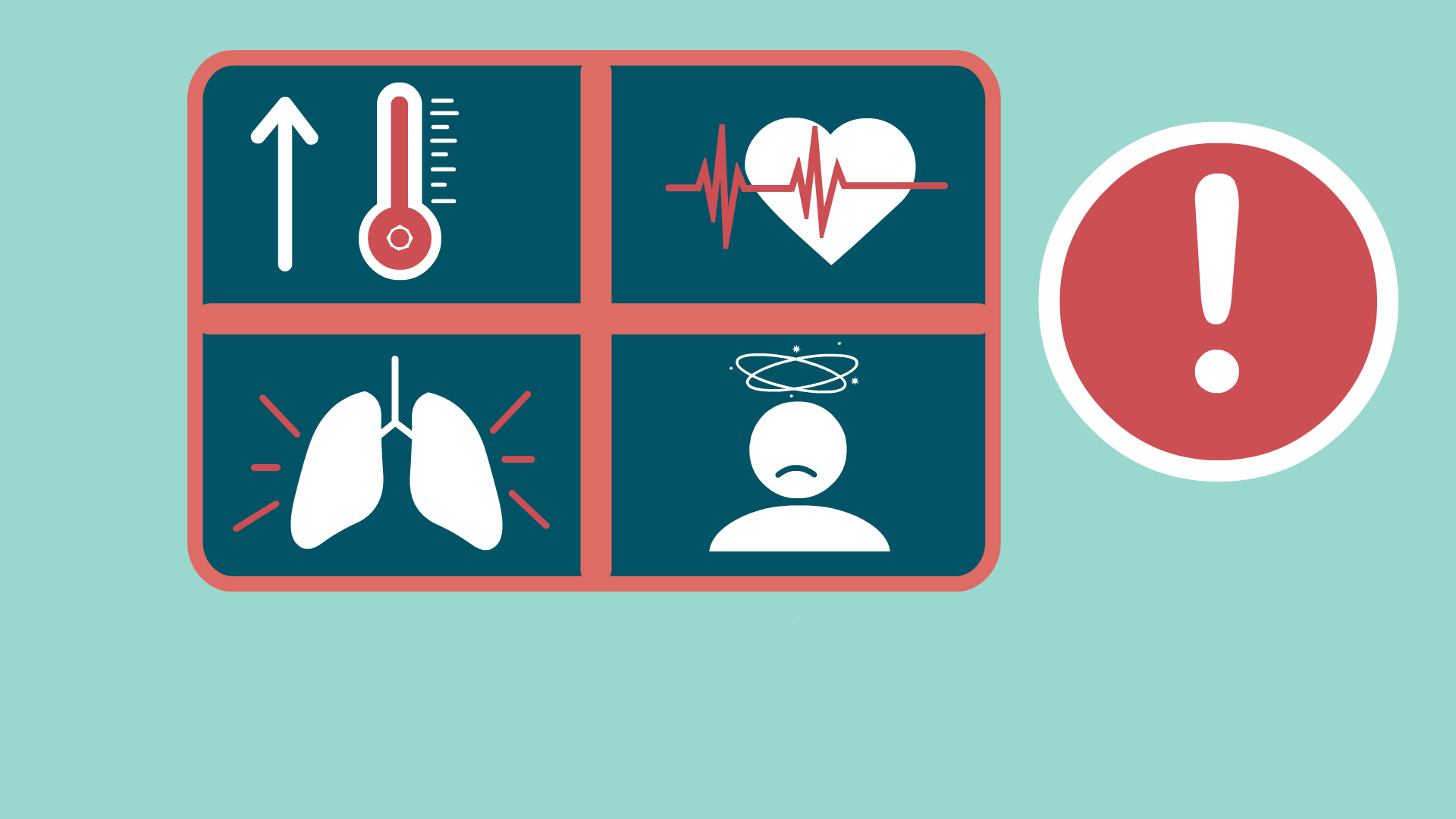
You might have maternal sepsis if you
- have a fever or feel cold and shivery
- have a fast heartbeat
- have trouble breathing or are breathing fast
- feel very weak, tired and dizzy
- feel confused
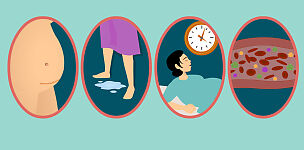
Especially if you
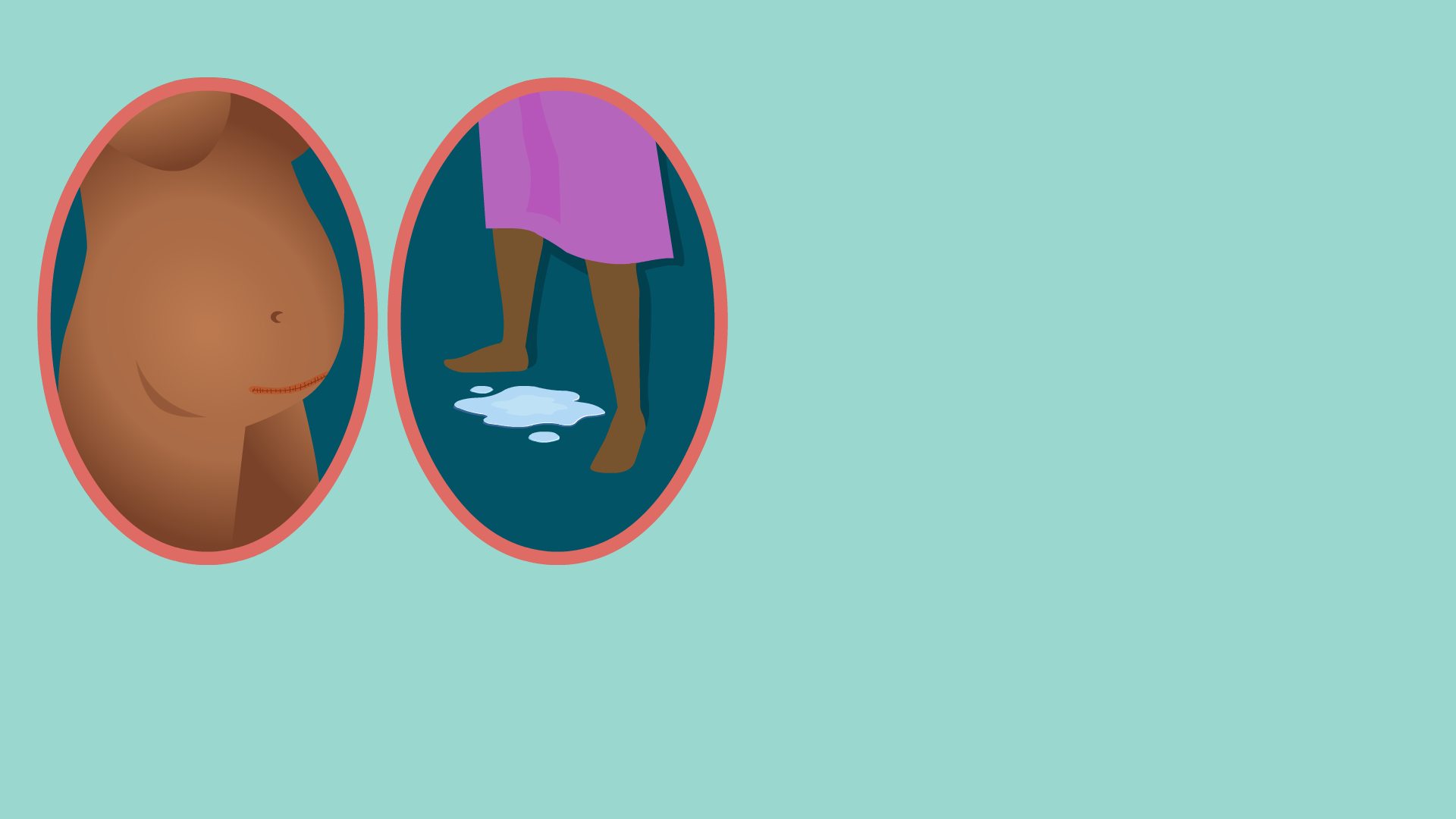
- notice bad-smelling discharge passing from your vagina
- notice swelling, redness, pain and discharge from your cesarean section wound
If you notice any of these symptoms, you need to go to your nearest healthcare facility straight away. Do not wait. Sepsis can get worse quickly and can even end your life.
How is maternal sepsis treated?
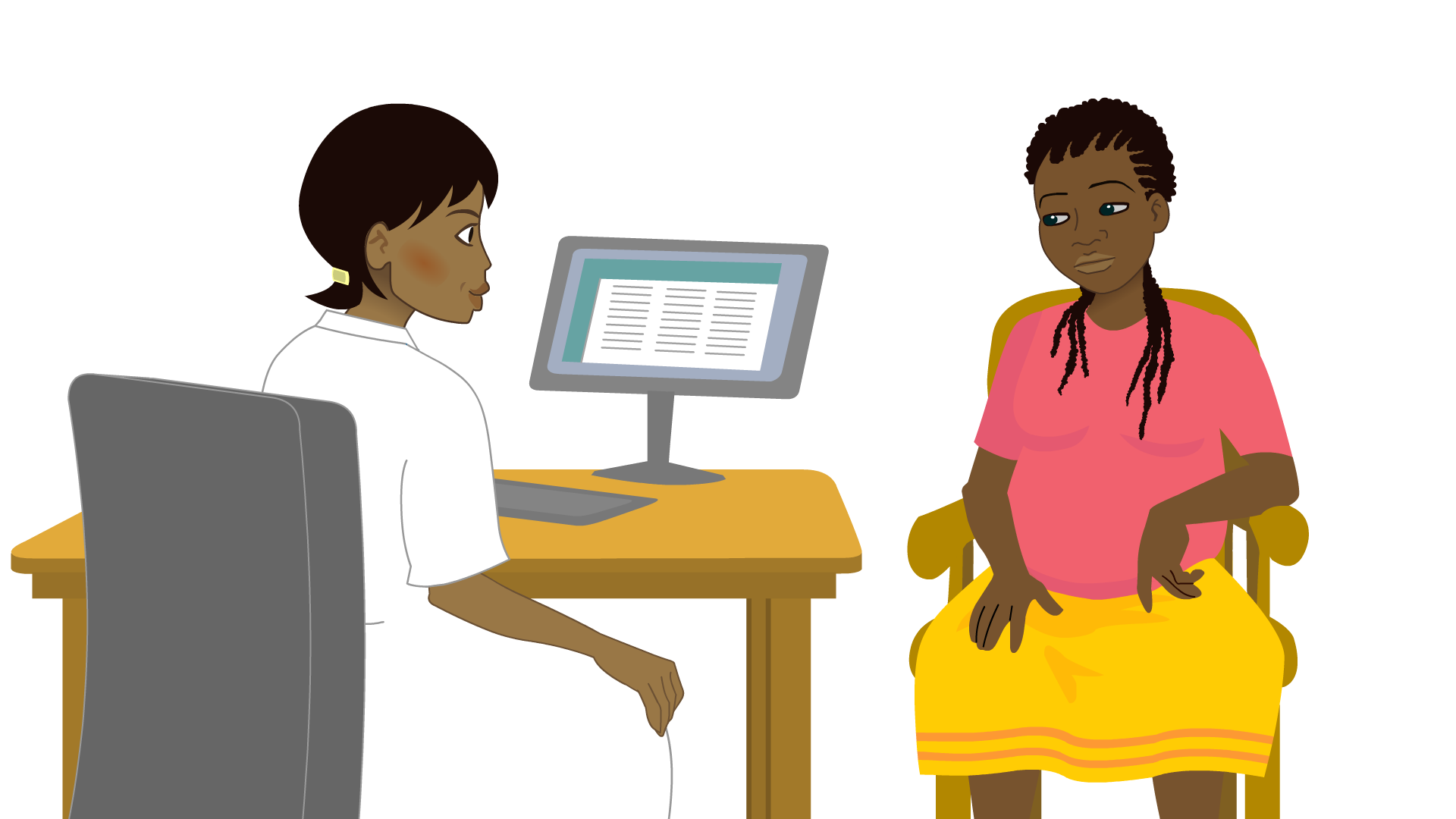
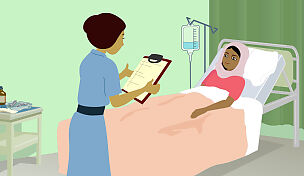
If you think you have maternal sepsis, your healthcare worker will check you and your baby and
- ask you some questions about how you feel
- examine you to assess your general wellbeing
- measure your blood pressure, temperature, heart rate and breathing rate
- arrange some tests such as blood tests
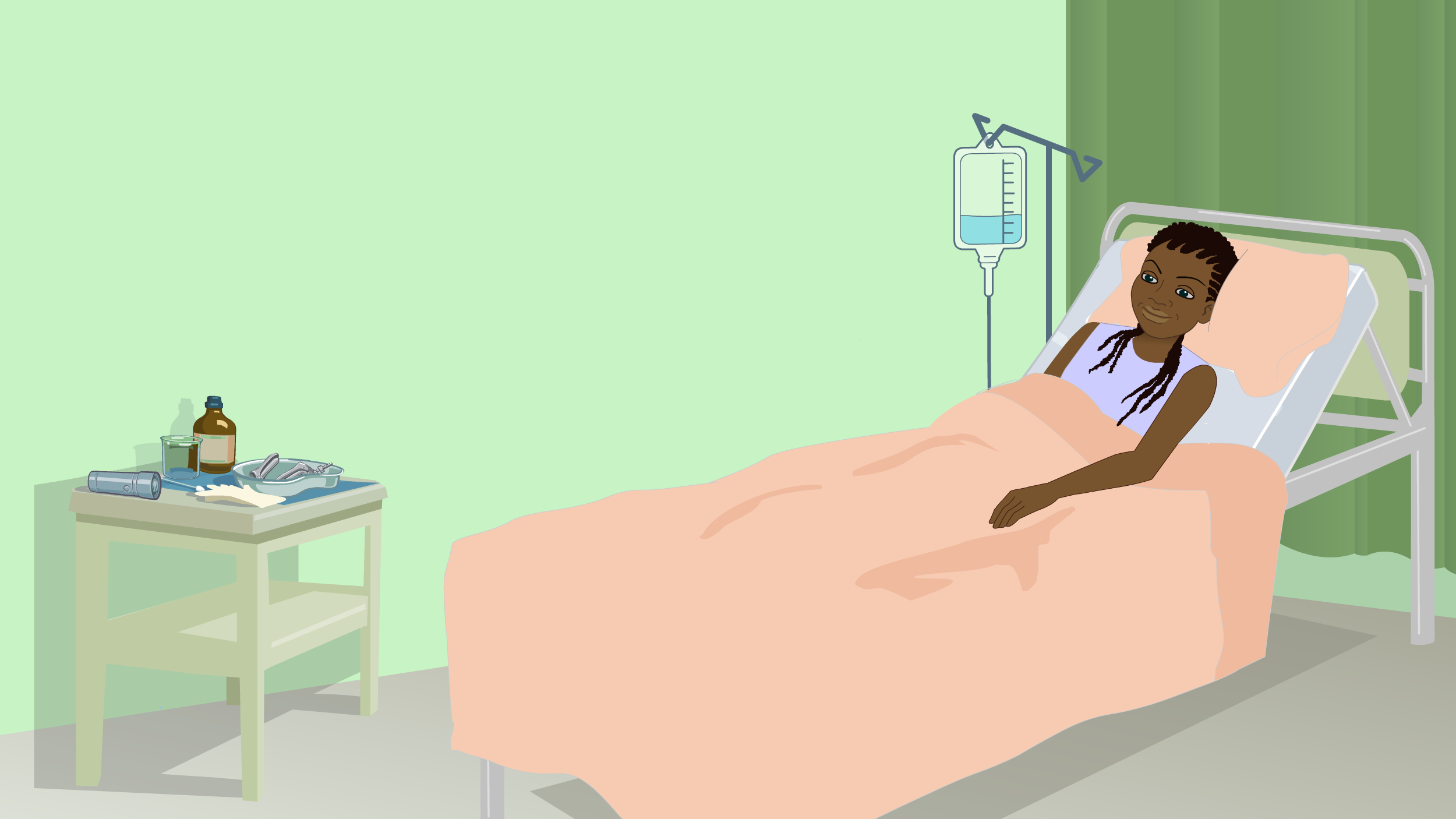
To treat maternal sepsis, your healthcare worker may give you
- antibiotics through a drip to fight the infection
- salty water through a drip to keep you hydrated
Treatment for sepsis should start as soon as possible, preferably within an hour of it being recognized. You may need to stay in the hospital to be monitored, and the baby may be born early.
How to prevent maternal sepsis?
You can lower your chances of maternal sepsis by
- treating any infections early
- going to all of your pregnancy check-ups
- staying up-to-date with your vaccinations
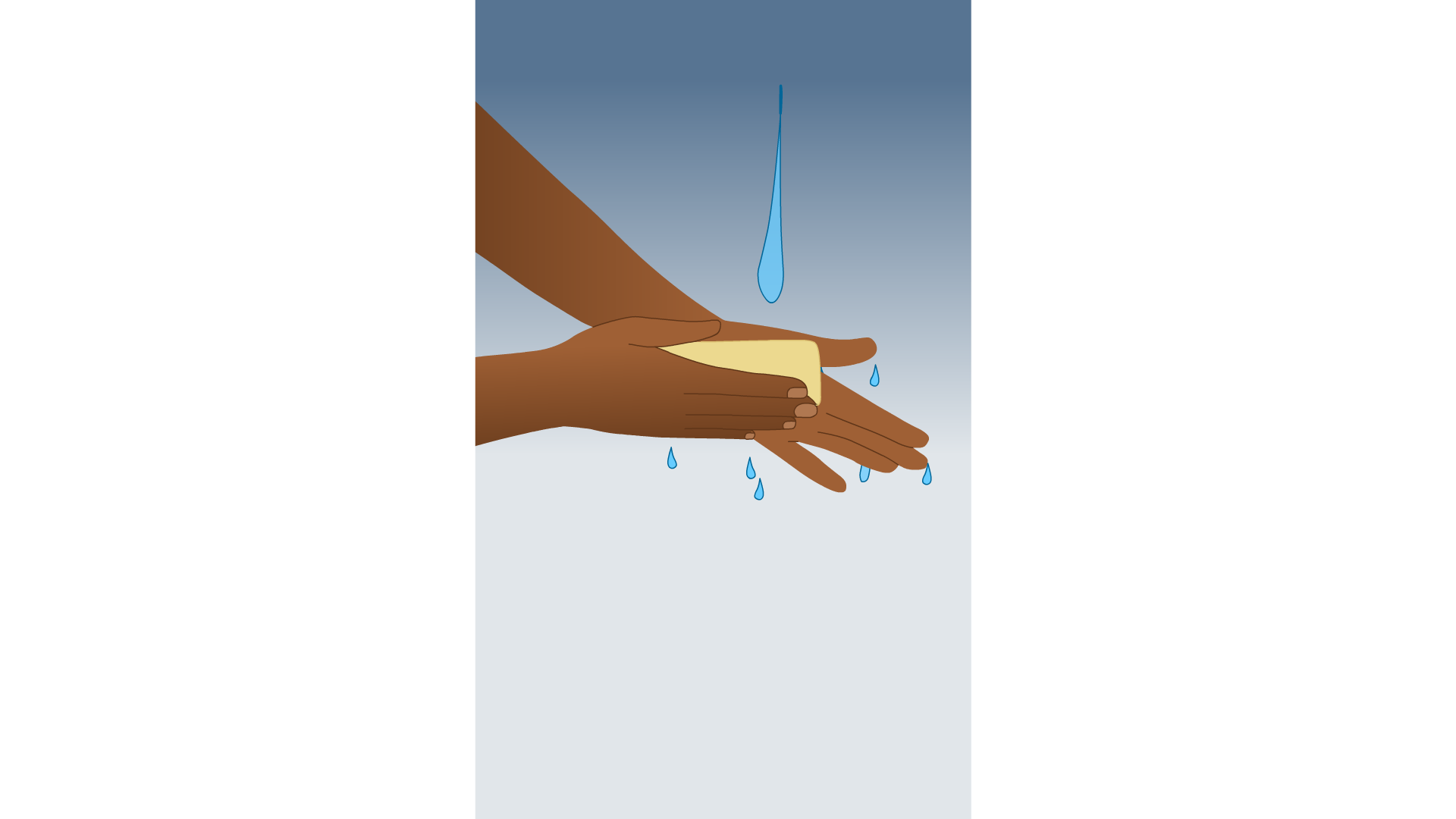
- washing your hands often with soap and having good hygiene
- keeping any wounds clean, especially cesarean section wounds, by washing them with clean water
- giving birth in a clean and safe space
- making sure that your healthcare worker washes their hands before touching you or your baby
These steps can help protect you and your baby from dangerous infections that cause sepsis.
The authors of this MATERNAL SEPSIS program are:
- Bossy Farag, University of Liverpool, United Kingdom
- Dr Kate Lightly, University of Liverpool, United Kingdom
- Dr Laura Goodfellow, University of Liverpool, United Kingdom
- Bertha Maseko, Malawi Liverpool Wellcome Research Programme, Malawi
The Welfare of Women program has been created under the General Editorship of Dr Kate Lightly, University of Liverpool, UK and is overseen by an expert International Editorial Board
The publishing reference for this program is: DOI 10.3843/GLOWM.w10093
The Welfare of Women information program is an attempt to provide women everywhere with access to reliable information about key health issues that may be relevant to them. Information is offered at three separate levels which women may select according to their preferences; firstly, short video animations with voice commentary, secondly, more detailed text-based descriptions, and thirdly, links to recommended further reading. With the animated videos, women can also select the images that they feel most comfortable in viewing from a short range of very generalized and non-specific ethnicity options. Because of the special programming used, both the videos and the text information can – when authorized – be translated into any language in a simple and rapid manner.
Recommended links for more comprehensive and detailed reading
The following websites provide more comprehensive and extensive information on this topic, which is both reliable and strongly recommended for readers who want to learn more than the details provided above:
World Health Organization (WHO), Maternal Sepsis Page
https://www.who.int/teams/sexual-and-reproductive-health-and-research-(srh)/areas-of-work/maternal-and-perinatal-health/maternal-sepsis
WHO, How to Prevent Sepsis
https://www.who.int/multi-media/details/how-to-prevent-sepsis
WHO, Global Maternal and Neonatal Sepsis Initiative (GLOSS)
https://pubmed.ncbi.nlm.nih.gov/32353314/
Global Maternal and Neonatal Sepsis Initiative
https://srhr.org/sepsis/
International Federation of Gynaecology and Obstetrics (FIGO), Preventing Sepsis After Birth
https://www.figo.org/news/new-ijgo-review-provides-comprehensive-framework-preventing-post-caesarean-sepsis
The UK Sepsis Trust, Maternal Sepsis
https://sepsistrust.org/about-sepsis/maternal-sepsis/
Royal College of Obstetricians and Gynaecologists (RCOG) – Identification and management of maternal
sepsis during and following pregnancy (Green-top Guideline No. 64)
https://www.rcog.org.uk/guidance/browse-all-guidance/green-top-guidelines/identification-and-management-of-maternal-sepsis-during-and-following-pregnancy-green-top-guideline-no-64/
Resources the author(s) used in preparing this guidance
WHO, GLOSS Study
https://pubmed.ncbi.nlm.nih.gov/32353314/
WHO, Recommendations for Prevention and Treatment of Maternal Peripartum Infections
https://www.who.int/publications/i/item/9789241549363
WHO, Water, Sanitation, and Hygiene in Health Care Facilities
https://www.who.int/publications/i/item/9789241515511
WHO, Standards for Improving Quality of Maternal and Newborn Care in Health Facilities
https://www.who.int/publications/i/item/9789241511216
WHO, Guidelines on Hand Hygiene in Health Care
https://www.who.int/publications/i/item/9789241597906
The Surviving Sepsis Campaign Bundle (2018)
https://pubmed.ncbi.nlm.nih.gov/29675566/
