

Pain and bleeding in early pregnancy
An educational
initiative
supported by

Written by experienced doctors, midwives and other medical professionals –
and approved by a specialist Editorial Board
Select Avatar


Select Language
We plan to provide other language versions as soon as funding is available
Enhancing the Welfare of Women
Expert Health Information for Women
in early pregnancy



















The author of this BLEEDING AND PAIN IN EARLY PREGNANCY program is:
- Aisha Hamza
Mersey and West Lancashire Teaching Hospitals NHS Trust, Ormskirk Hospital, Ormskirk, Lancashire, UK
The Welfare of Women program has been created under the General Editorship of Dr Kate Lightly, University of Liverpool, UK and is overseen by an expert International Editorial Board
The cost of producing this resource has been partly funded by an educational grant from GSK
Thank you for watching this Welfare of Women video. We would welcome your views and feedback. Please complete this short questionnaire.
How common is pain and bleeding in pregnancy? Is it normal?
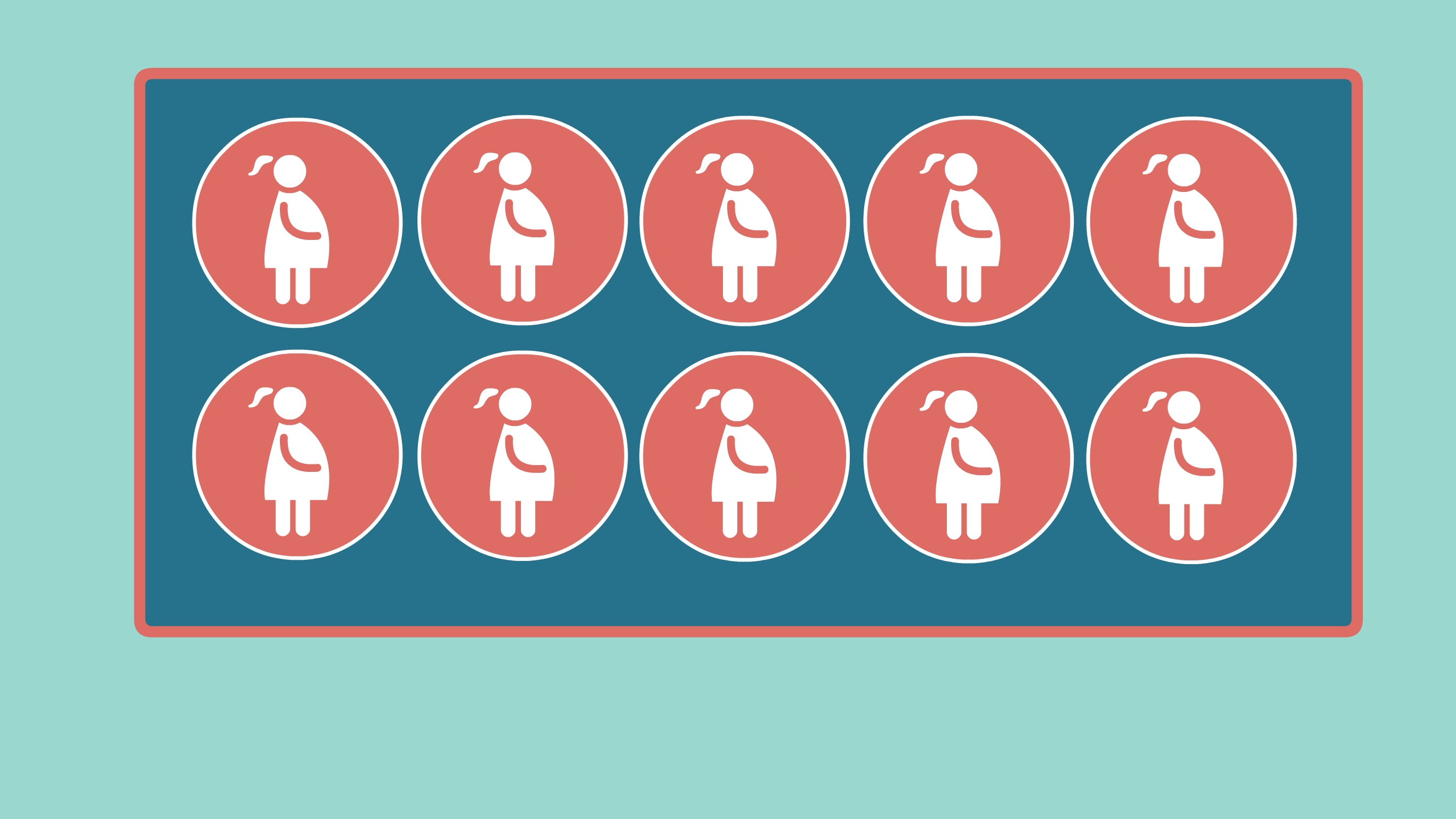
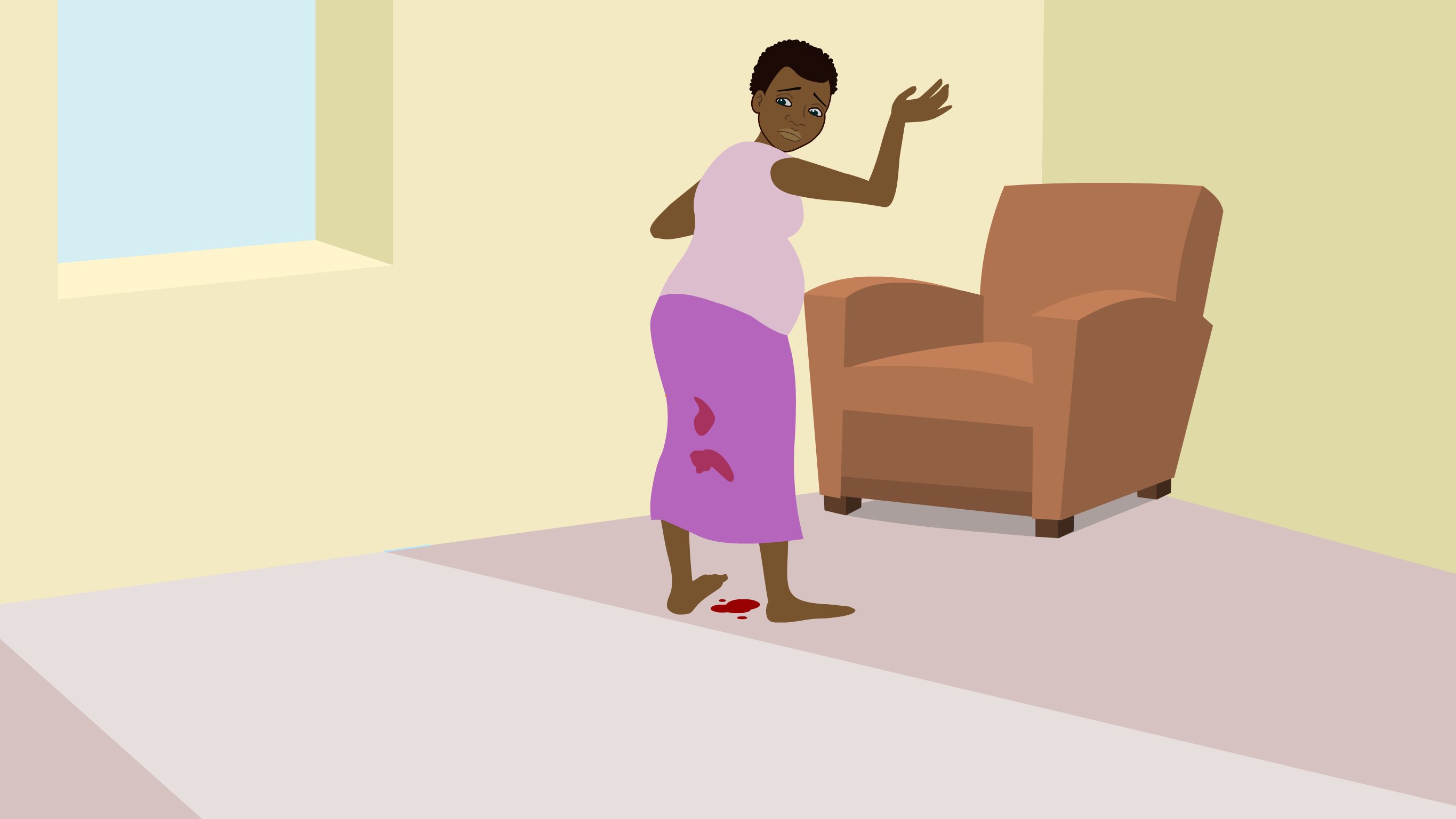
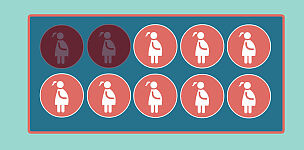
Pain and bleeding in early pregnancy is common. Two out of 10 women will have bleeding in early pregnancy.
Does bleeding in early pregnancy always mean there is a problem?
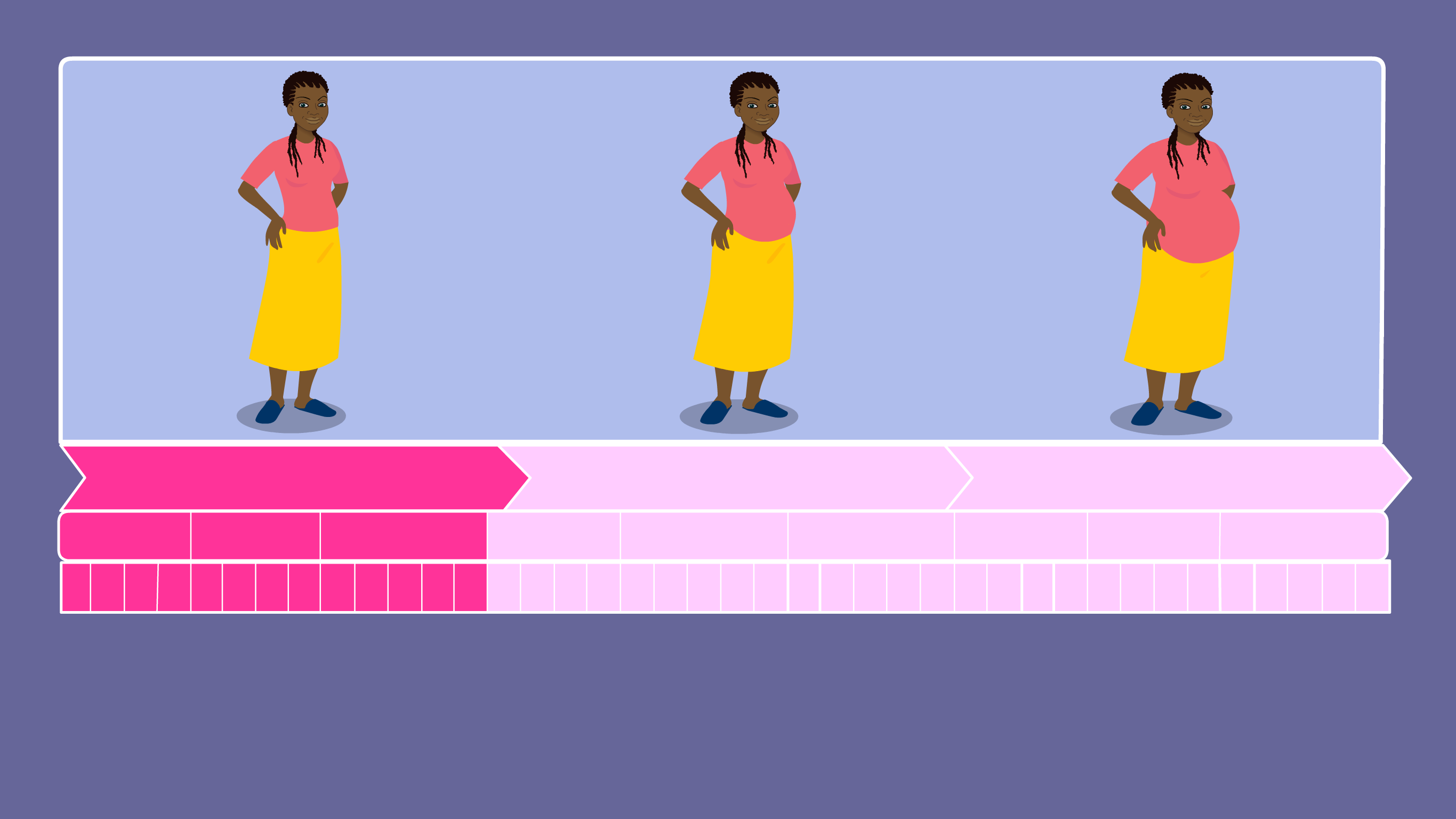
There are many reasons for pain or bleeding in early pregnancy; it does not always mean there is something wrong. A lot of women have light bleeding, 'spotting' or mild crampy pain in the first 3 months of pregnancy. This can be a very worrying time, but in most cases a scan will confirm the pregnancy is developing normally. However, it can sometimes be a warning sign of a miscarriage or other early pregnancy problems, therefore, it always needs to be checked. In most cases, we don't know the cause of the pain or bleeding, but if the scan looks normal, symptoms will likely settle.
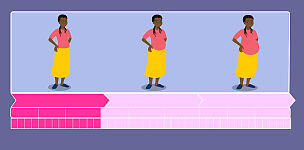
What are the possible causes of pain and bleeding in early pregnancy?
Causes of pain and bleeding in pregnancy include:
- A threatened miscarriage – if you have had bleeding and/or pain but your ultrasound scan confirms that your pregnancy is progressing normally, this is known as a threatened miscarriage.
- An early miscarriage – bleeding and/or pain in early pregnancy can mean that you have had or are having a miscarriage. Sadly, early miscarriages are common. One in five women will have a miscarriage in their first 3 months of pregnancy for no apparent reason. However, most miscarriages occur as one-off events and there is a good chance of having a successful pregnancy in the future.
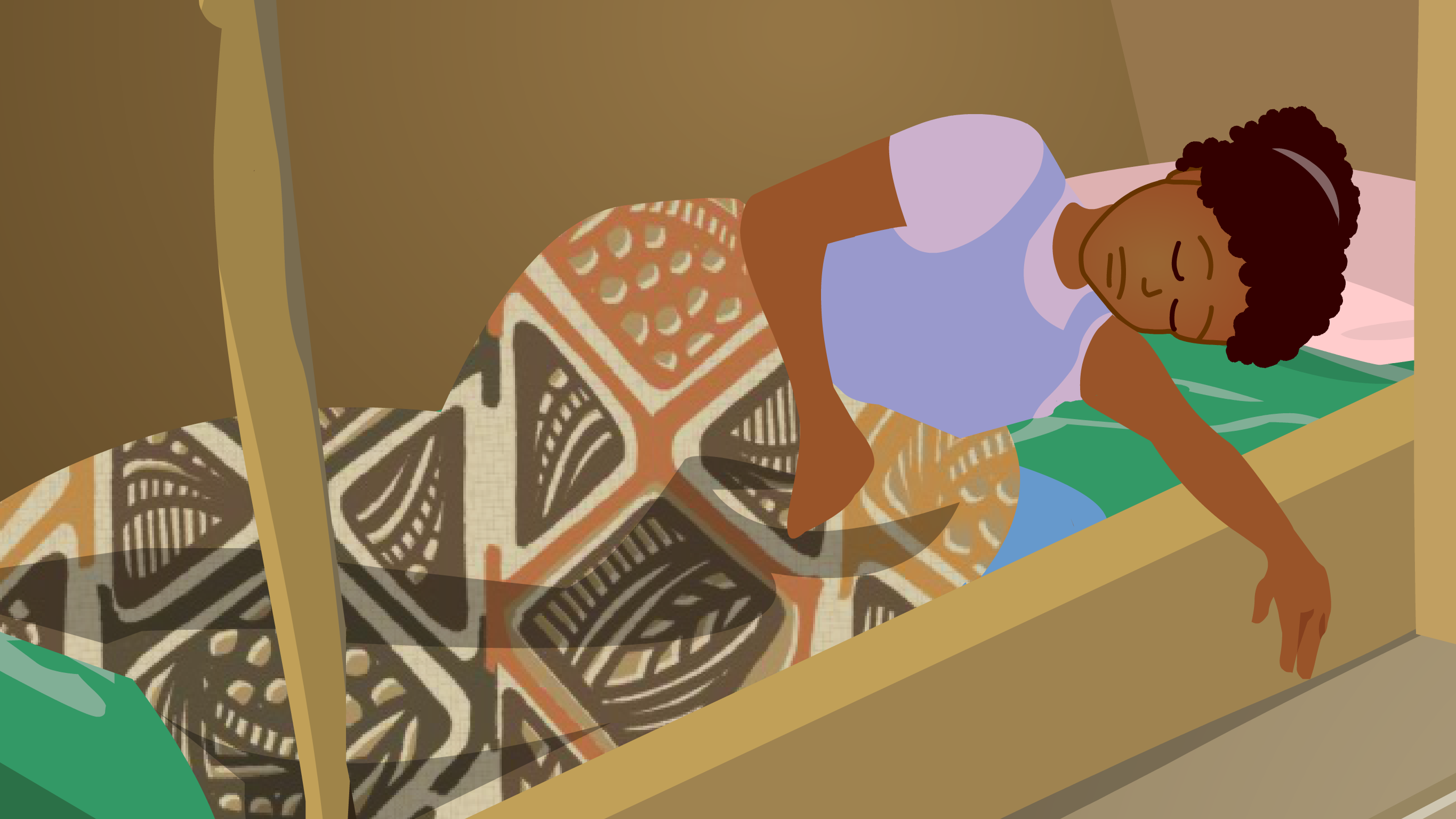
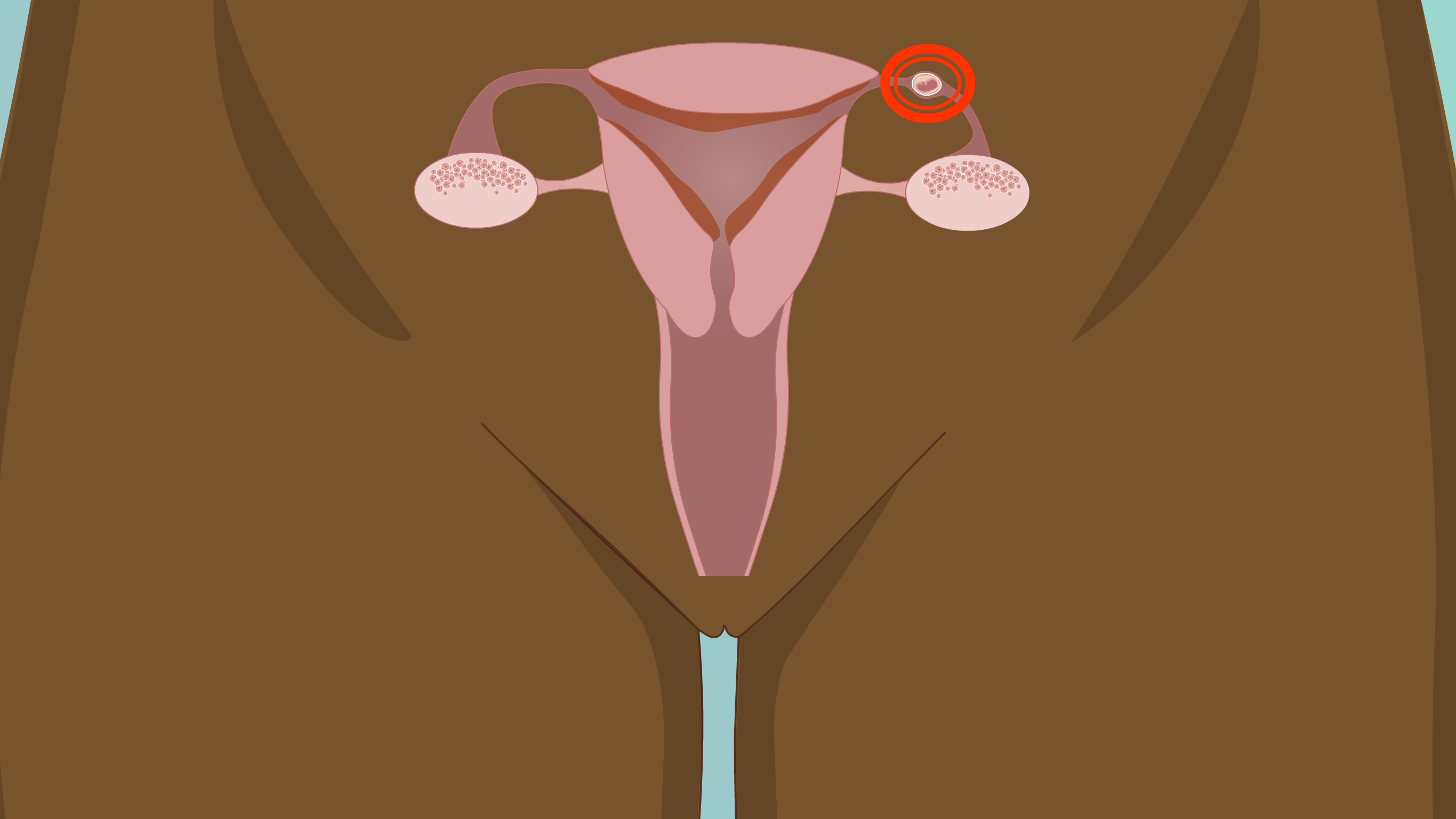
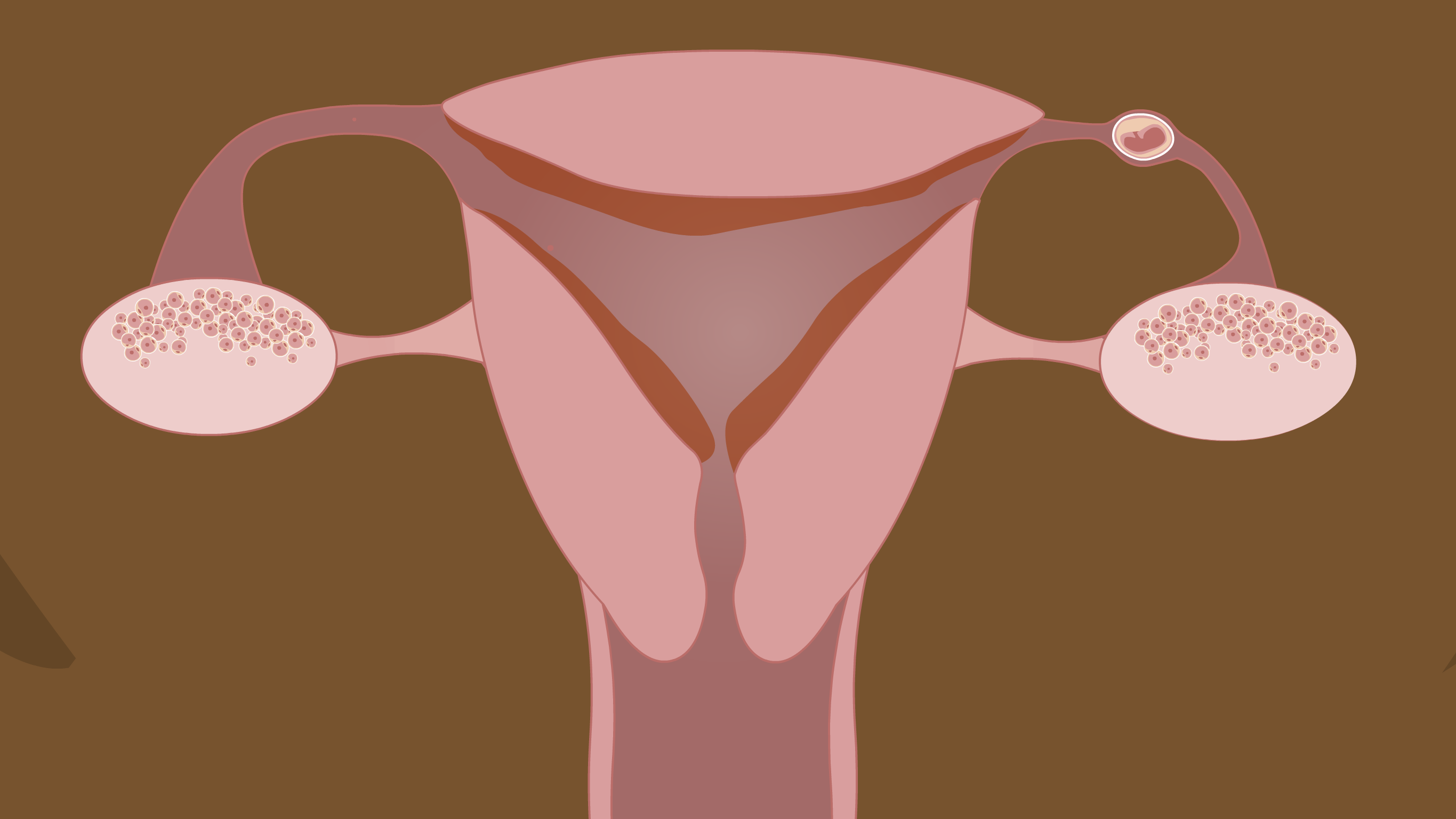
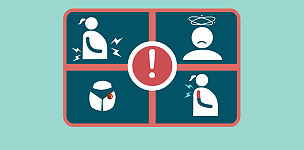
- Ectopic pregnancy – when a pregnancy starts to grow outside the womb, it is called an ectopic pregnancy. An ectopic pregnancy can pose a serious risk to your health. It is important that you are aware of the signs of an ectopic pregnancy. If you have heavy bleeding, severe pain in your abdomen, pain in the tip of your shoulder, dizziness or fainting, you should go to the nearest hospital or healthcare facility immediately. If this is suspected or confirmed, you will require further treatment and you may be advised to stay in hospital.
- Molar pregnancy – a molar pregnancy is an uncommon condition in which the placenta is abnormal and the pregnancy does not develop properly. It is usually diagnosed by ultrasound scan. The best treatment for a molar pregnancy is an operation to remove the pregnancy tissue from your womb as this is not a healthy pregnancy. This operation is usually done under general anesthetic and involves a small suction tube being passed through your vagina and your cervix (the neck of your womb) to remove the abnormal pregnancy tissue. This tissue will be sent to a laboratory to confirm the diagnosis of molar pregnancy.
- Pregnancy of unknown location – if you have a positive pregnancy test and your pregnancy cannot be seen clearly on ultrasound scan, it is known as a pregnancy of unknown location (PUL).
What should I do if I think I have miscarried?
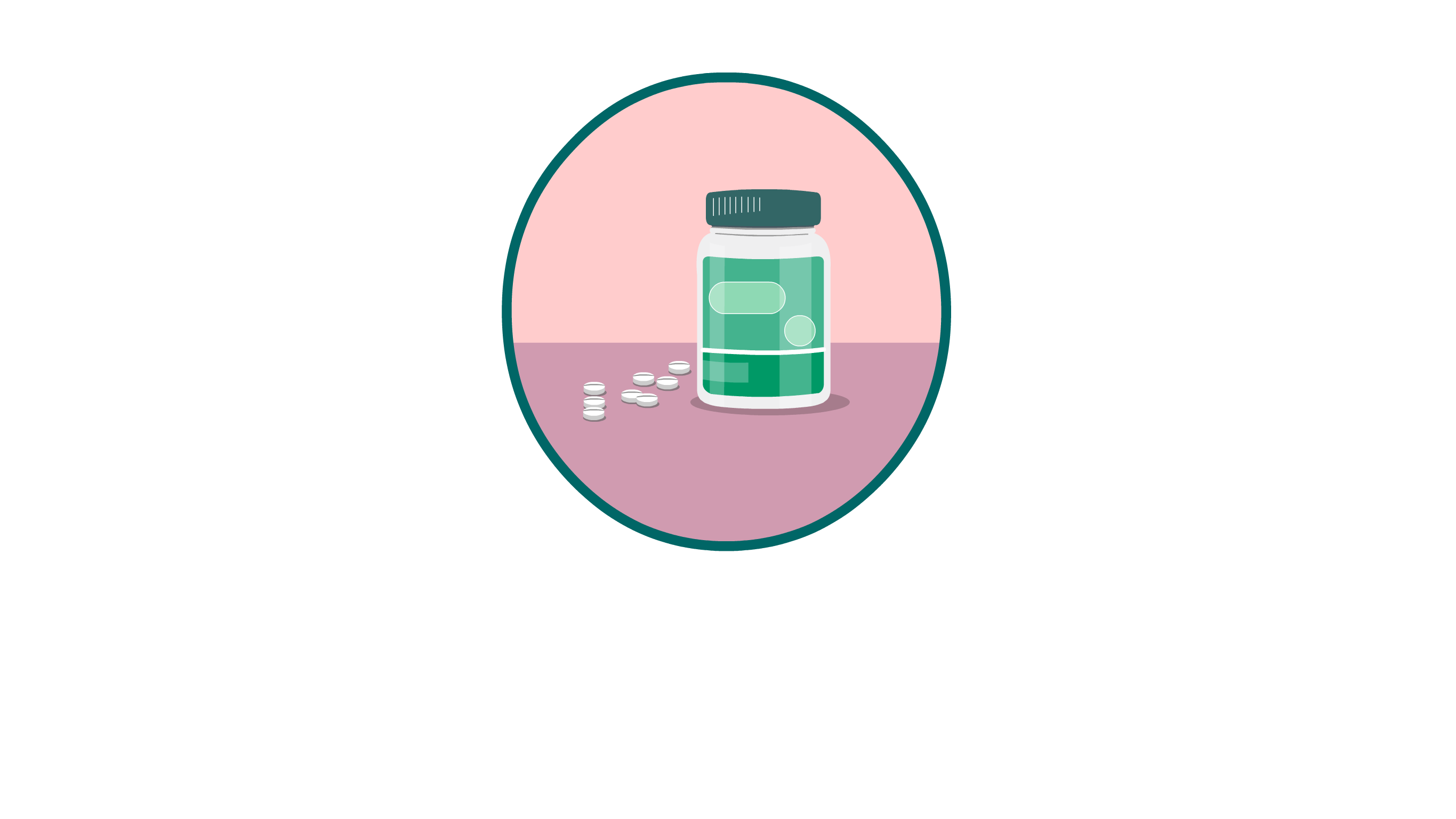
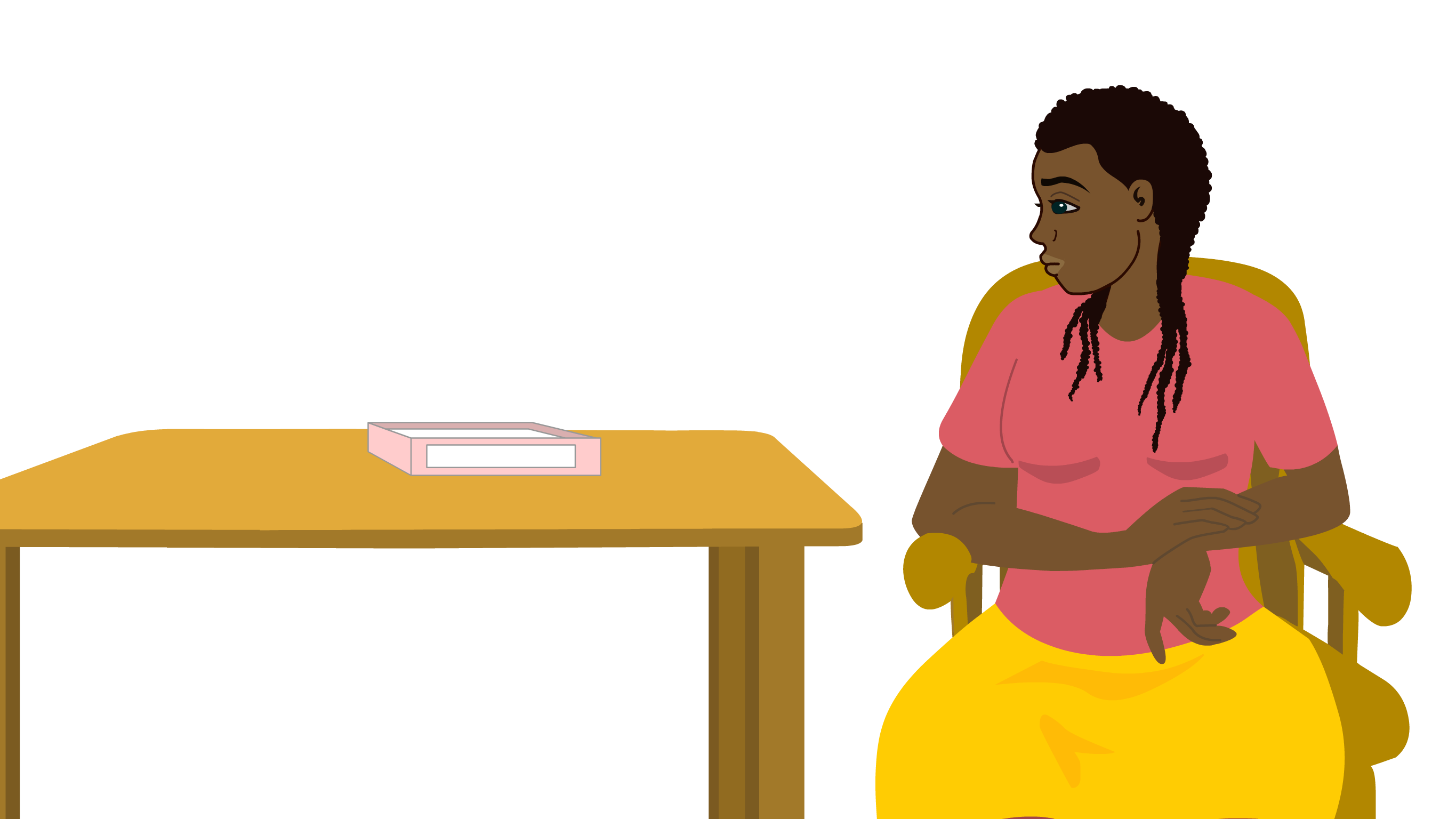
If you think you have miscarried, do not diagnose and treat yourself; you still need to be seen by a healthcare worker to confirm this. This is because you may need a scan to confirm if it is a complete or incomplete miscarriage or if it is something else such as a molar or ectopic pregnancy. If it is an incomplete miscarriage, then you may need medication in the form of pills or a small operation to complete the miscarriage.
What do I do if I experience pain and bleeding in early pregnancy?
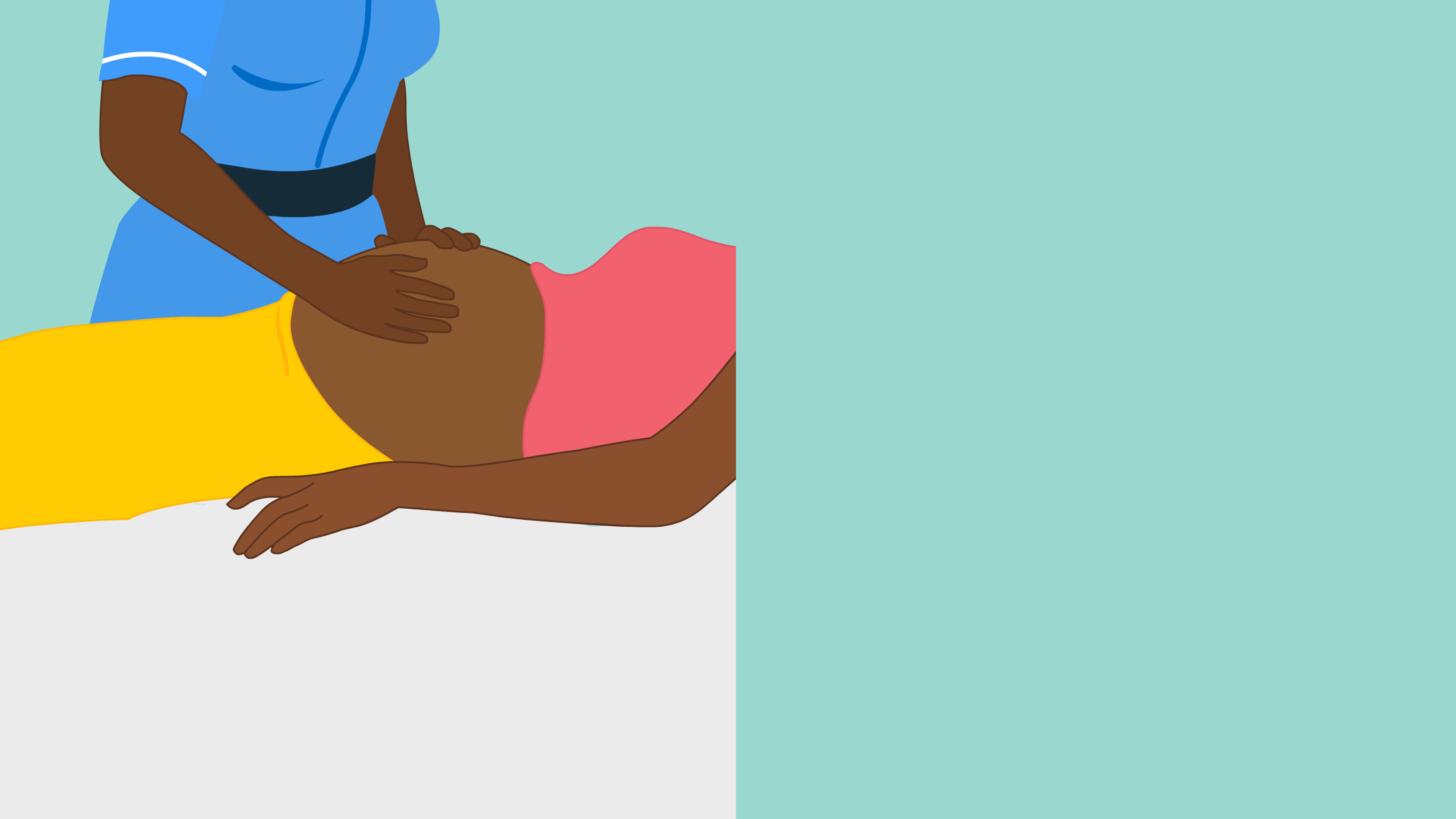
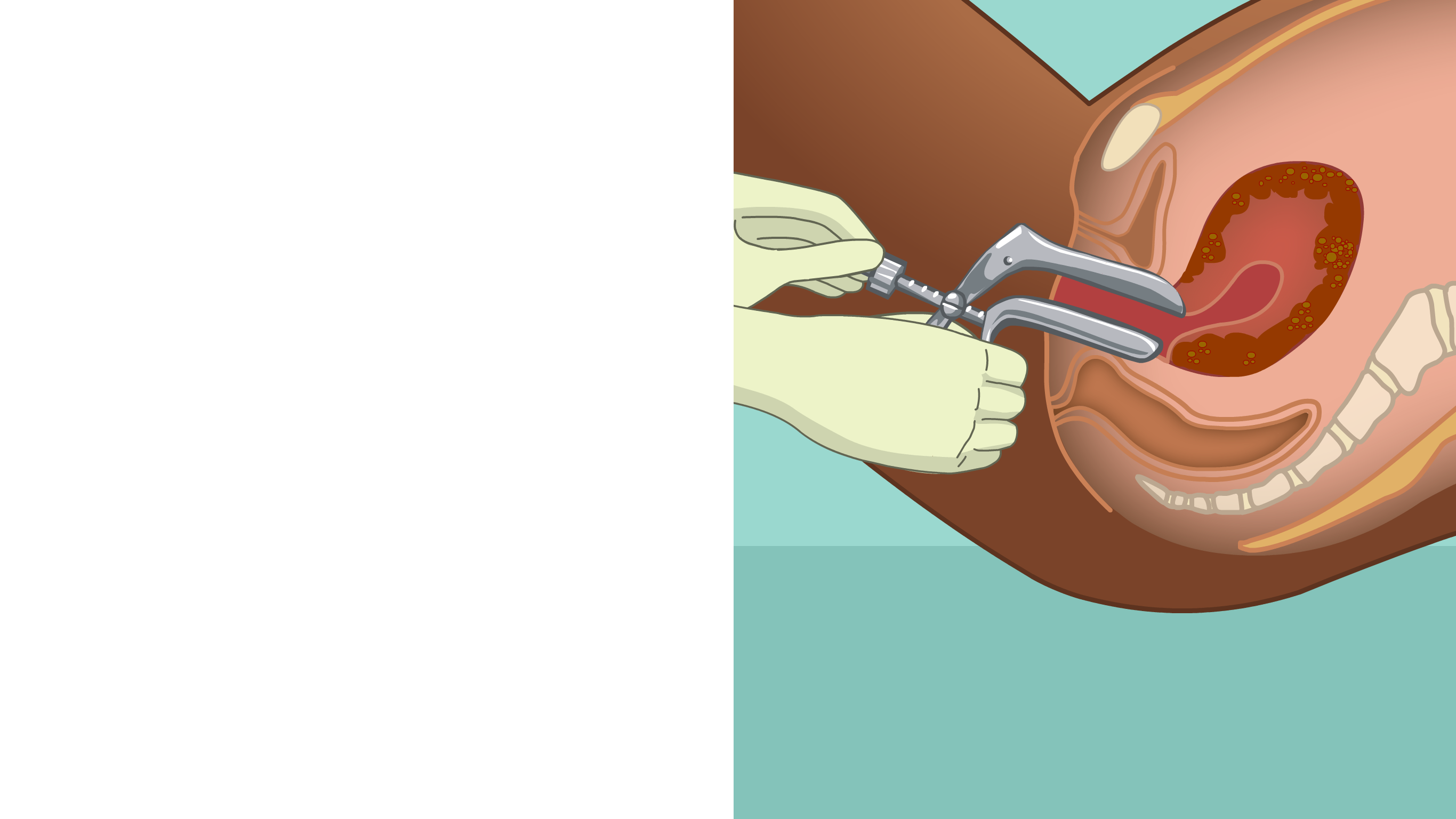
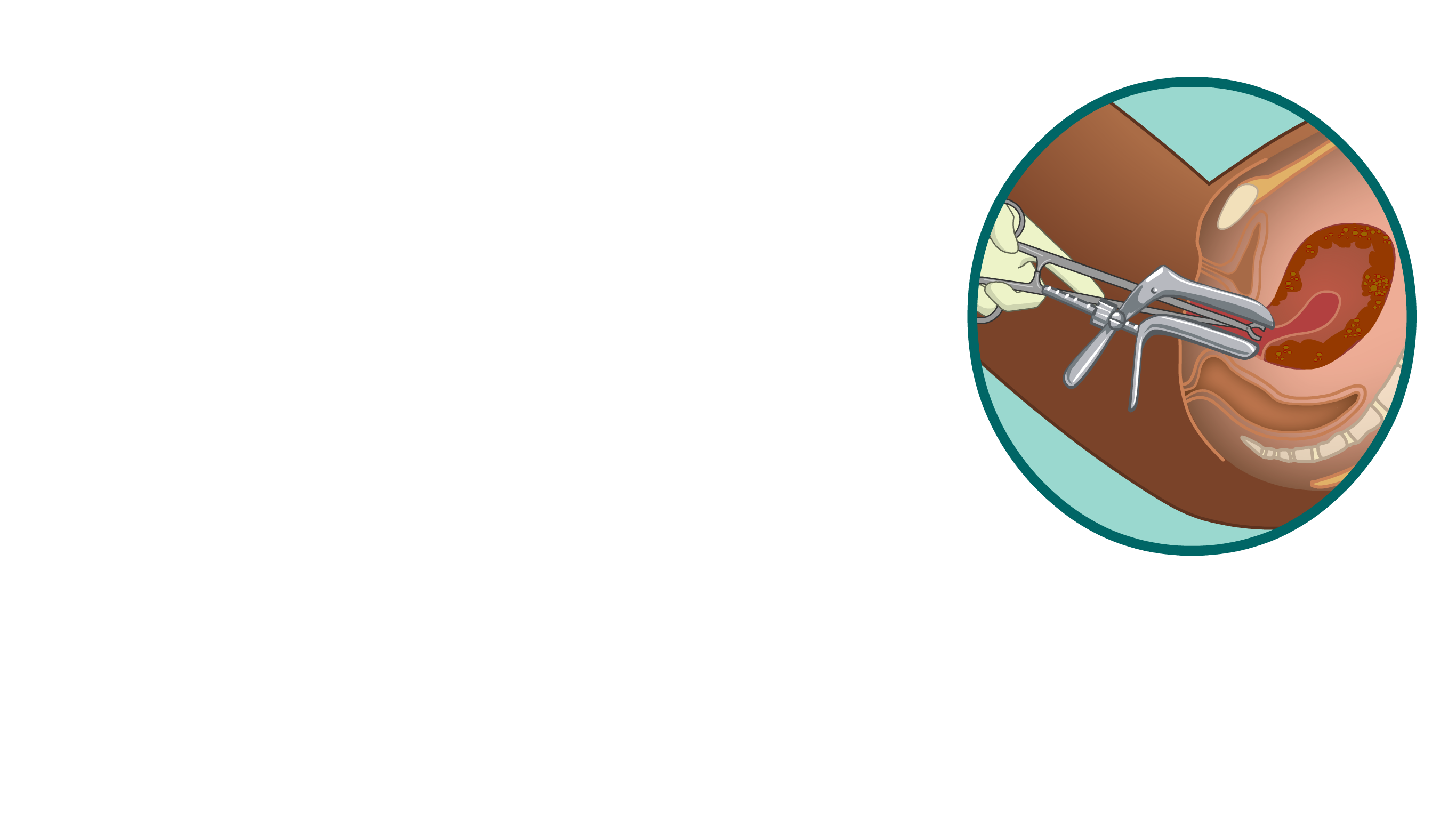
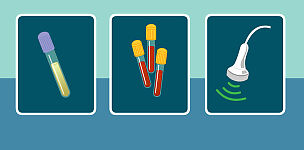
If you have bleeding or pain in the early stages of pregnancy, you should seek medical advice urgently. Your healthcare provider will ask you questions and carry out an examination often including a speculum or vaginal examination to look at the neck of the womb. You may be advised to have tests which may include blood tests and an ultrasound scan to check your pregnancy. This may be in the form of a transvaginal scan, if this is available.
Are there any treatment options available if I am having a threatened miscarriage?
Progesterone treatment may prevent a miscarriage if you are bleeding in early pregnancy (before 12 weeks) and have had a miscarriage before. You should ask your healthcare provider if this is a treatment option for you.
The author of this BLEEDING AND PAIN IN EARLY PREGNANCY program is:
- Aisha Hamza, Mersey and West Lancashire Teaching Hospitals NHS Trust, Ormskirk Hospital, Ormskirk, Lancashire, UK
The Welfare of Women program has been created under the General Editorship of Dr Kate Lightly, University of Liverpool, UK and is overseen by an expert International Editorial Board
The publishing reference for this program is: DOI 10.3843/GLOWM.w10079
The Welfare of Women information program is an attempt to provide women everywhere with access to reliable information about key health issues that may be relevant to them. Information is offered at three separate levels which women may select according to their preferences; firstly, short video animations with voice commentary, secondly, more detailed text-based descriptions, and thirdly, links to recommended further reading. With the animated videos, women can also select the images that they feel most comfortable in viewing from a short range of very generalized and non-specific ethnicity options. Because of the special programming used, both the videos and the text information can – when authorized – be translated into any language in a simple and rapid manner.
Recommended links for more comprehensive and detailed reading
The following websites provide more comprehensive and extensive information on this topic, which is both reliable and strongly recommended for readers who want to learn more than the details provided above:
RCOG pain and/or bleeding in early pregnancy.
https://www.rcog.org.uk/media/pwwb4g0v/pi-bleeding-and-or-pain-in-ep_link-update-v13.pdf
Early pregnancy bleeding and progesterone – a guide to download.
https://www.tommys.org/pregnancy-information/health-professionals/early-pregnancy-bleeding-and-progesterone-guide-download
NICE: Ectopic pregnancy and miscarriage.
https://www.nice.org.uk/guidance/ng126
Tommys
https://www.tommys.org/pregnancy-information/pregnancy-symptom-checker/bleeding-pregnancy
The ectopic pregnancy trust
https://ectopic.org.uk/what-is-an-ectopic-pregnancy
Resources the author(s) used in preparing this guidance
RCOG pain and/or bleeding in early pregnancy.
https://www.rcog.org.uk/media/pwwb4g0v/pi-bleeding-and-or-pain-in-ep_link-update-v13.pdf
NICE: ectopic pregnancy and miscarriage: diagnosis and initial management
https://www.nice.org.uk/guidance/ng126
Sherwood Forests, Pain and bleeding in early pregnancy
https://www.sfh-tr.nhs.uk/media/bzxl5oec/pil202508-02-pbep-pain-and-bleeding-in-early-pregnancy.pdf
Tommys.org
https://www.tommys.org/baby-loss-support/miscarriage-information-and-support
Molar pregnancy and gestational trophoblastic disease
Molar pregnancy – The Miscarriage Association
